Quick Summary
Receiving a diagnosis of soft tissue sarcoma—a rare cancer that develops in muscles, fat, tendons, nerves, blood vessels, or other connective tissues—can be overwhelming. Fortunately, treatment has advanced significantly over the past few decades. Today, many patients can be treated successfully while preserving the affected limb and maintaining an excellent quality of life.
Treatment is highly individualized. No single approach is suitable for everyone. The recommended treatment depends on several factors, including the type of sarcoma (subtype), tumor grade (how aggressive the cancer cells appear under the microscope), tumor stage (how far the cancer has spread), its size and location, and your overall health.
For most patients, surgery is the cornerstone of treatment, often combined with radiotherapy (high-energy radiation used to destroy cancer cells) or chemotherapy (medications that kill or slow the growth of cancer cells) when appropriate. Selected patients may also benefit from targeted therapies, immunotherapy, reconstructive surgery, or rehabilitation programs.
Perhaps the most important message is that treatment should ideally be planned by a specialist multidisciplinary sarcoma team (MDT) before any operation is performed. This coordinated approach has consistently been shown to improve outcomes.
Key Points
- Treatment is individualized for every patient.
- Surgery is the primary treatment for most localized soft tissue sarcomas.
- Many patients also benefit from radiotherapy or chemotherapy.
- Modern limb salvage surgery preserves the arm or leg in most patients.
- Treatment decisions are best made by a multidisciplinary sarcoma team (MDT).
- Rehabilitation and long-term follow-up are essential parts of successful treatment.
Reassurance Box
A diagnosis of soft tissue sarcoma does not automatically mean chemotherapy, amputation, or permanent disability. Many patients undergo successful limb-preserving surgery and return to work, family life, sports, and other everyday activities. Your treatment plan is designed specifically for you, with the dual goals of controlling the cancer and preserving function whenever possible.
How Is Your Treatment Plan Decided?
One of the first questions after diagnosis is:
“What treatment will I need?”
The answer is rarely straightforward.
Unlike many common cancers, soft tissue sarcomas represent more than 70 different diseases, each with distinct biological behaviour. Two patients with the same-sized tumor may receive completely different treatments because their tumors differ in subtype, grade, location, or stage.
Rather than following a “one-size-fits-all” approach, treatment is carefully tailored after reviewing all available clinical information.
The planning process usually considers:
- The exact sarcoma subtype identified on biopsy.
- Tumor grade (how aggressive the cells appear).
- Tumor stage (whether the cancer has spread).
- Tumor size.
- Tumor depth (superficial or deep).
- Relationship to important nerves, blood vessels, muscles, and bones.
- Whether complete removal with clear margins is possible.
- Your age, general health, and personal goals.
This individualized approach aims to achieve two equally important objectives:
- Complete cancer control, and
- Preservation of function and quality of life.
Doctor Explains
Many patients understandably compare their treatment with someone else’s and wonder why the recommendations are different.
The reason is simple: the name “soft tissue sarcoma” describes a family of cancers rather than a single disease. Just as breast cancer and colon cancer require different treatments, different sarcoma subtypes also require different strategies. Your treatment plan is based on the unique characteristics of your tumor—not simply on its size or location.
The Role of the Multidisciplinary Team (MDT)
Soft tissue sarcoma is one of the few cancers where multidisciplinary decision-making is considered essential.
A multidisciplinary team (MDT) is a group of specialists who meet together to review each patient’s imaging, biopsy results, pathology findings, and overall health before recommending treatment.
Instead of relying on the opinion of a single doctor, multiple experts contribute their expertise to develop the safest and most effective treatment plan.
An MDT commonly includes:
- Orthopaedic oncologist – specializes in tumors affecting the limbs and musculoskeletal system.
- Surgical oncologist – performs surgery for sarcomas in other parts of the body.
- Medical oncologist – advises on chemotherapy, targeted therapy, and immunotherapy.
- Radiation oncologist – plans and delivers radiotherapy.
- Musculoskeletal radiologist – interprets MRI, CT, and PET-CT scans.
- Sarcoma pathologist – confirms the diagnosis and identifies the sarcoma subtype.
- Plastic and reconstructive surgeon – assists with complex wound closure and tissue reconstruction.
- Physiotherapist and occupational therapist – guide rehabilitation and functional recovery.
- Specialist oncology nurses – provide education, symptom management, and emotional support.
Every member contributes a different perspective, ensuring that important treatment options are not overlooked.
Clinical Pearl
Numerous international studies have shown that patients treated in specialist sarcoma centres are more likely to receive an accurate diagnosis, appropriate surgery, and coordinated multidisciplinary care, all of which contribute to improved outcomes.
Table. Members of the Multidisciplinary Sarcoma Team
Why Is the MDT So Important?
Many treatment decisions in soft tissue sarcoma involve balancing cancer control against preservation of function.
For example:
- Should radiotherapy be given before or after surgery?
- Is chemotherapy likely to provide meaningful benefit?
- Can the tumor be removed while preserving important nerves and blood vessels?
- Will reconstruction improve long-term function?
- Would another surgical approach reduce complications?
These questions often have no single correct answer. Discussion among specialists helps identify the approach that offers the greatest overall benefit for each individual patient.
Did You Know?
Many sarcoma centres discuss every newly diagnosed patient in an MDT meeting before any definitive surgery is performed. This collaborative approach has become the international standard of care because it improves treatment planning and helps avoid unnecessary procedures.
Factors That Influence Treatment
Although two patients may both have a diagnosis of soft tissue sarcoma, their treatment recommendations can differ considerably.
Several factors influence the treatment plan.
Table. Factors That Influence Soft Tissue Sarcoma Treatment
Tumor Subtype
Different sarcoma subtypes behave differently.
For example:
- Some respond well to chemotherapy.
- Others rarely benefit from chemotherapy.
- Certain rare subtypes may be treated with targeted medicines directed at specific genetic abnormalities.
This is why obtaining an accurate pathological diagnosis before treatment is essential.
Tumor Grade
Tumor grade describes how abnormal and aggressive the cancer cells appear under the microscope.
In general:
- Low-grade tumors grow more slowly.
- High-grade tumors grow more rapidly and have a greater risk of spreading.
Tumor grade helps determine whether additional treatments such as radiotherapy or chemotherapy should be considered.
Tumor Stage
Tumor stage refers to how far the cancer has spread.
Patients with localized disease are usually treated with the goal of complete cure, whereas treatment for metastatic disease focuses on controlling the cancer, relieving symptoms, and maintaining quality of life.
Tumor Location
The position of the tumor is equally important.
A small tumor close to major nerves or blood vessels may require more complex surgery than a larger tumor located away from critical structures.
Similarly, tumors in the abdomen, pelvis, chest wall, hand, foot, or head and neck often require specialized surgical planning.
Patient Factors
Treatment is planned around the whole person, not simply the tumor.
Important considerations include:
- General health
- Other medical conditions
- Mobility
- Occupation
- Lifestyle
- Personal preferences
- Family responsibilities
Whenever possible, patients are actively involved in shared decision-making throughout the treatment process.
Patient Tip
Before meeting your treatment team, write down your questions and bring a family member or friend to the consultation. Having another person present can help you remember important information and provide additional support when discussing complex treatment decisions.
Why Treatment at a Specialist Sarcoma Centre Matters
Because soft tissue sarcomas are uncommon, many hospitals see only a small number of cases each year.
Specialist sarcoma centres offer several advantages:
- Experienced surgeons who regularly perform complex sarcoma operations.
- Dedicated musculoskeletal radiologists and sarcoma pathologists.
- Access to reconstructive surgery.
- Advanced radiotherapy techniques.
- Clinical trials and emerging therapies.
- Coordinated rehabilitation services.
- Regular multidisciplinary meetings.
Several international studies have demonstrated that patients treated at specialist centres are more likely to undergo appropriately planned surgery with adequate margins and experience lower rates of local recurrence.
Seeking care at a specialist centre does not necessarily mean travelling long distances permanently. In many situations, the diagnosis and treatment plan are developed by the sarcoma team, while aspects of treatment or follow-up can be coordinated closer to home.
Reassurance Box
If you have recently been diagnosed with a soft tissue sarcoma, it is entirely appropriate to ask whether your case has been reviewed by a specialist sarcoma multidisciplinary team. Seeking expert input is considered good medical practice and helps ensure that all available treatment options have been carefully considered.
Surgery: The Mainstay of Soft Tissue Sarcoma Treatment
For most patients with localized soft tissue sarcoma (a sarcoma that has not spread to distant organs), surgery is the most important treatment. The primary goal is to remove the entire tumor while minimizing the risk of recurrence and preserving as much function as possible.
Unlike surgery for many benign (non-cancerous) tumors, sarcoma surgery is not simply about removing the visible lump. Cancer cells can extend microscopically beyond the edge of the tumor, even when imaging appears normal. For this reason, surgeons remove the tumor along with a rim of surrounding healthy tissue, known as a surgical margin, to reduce the chance of cancer being left behind.
Modern sarcoma surgery is the result of careful planning rather than a single operation. Before entering the operating room, your surgical team studies your MRI scans, biopsy results, and pathology report to determine the safest approach, anticipate reconstructive needs, and decide whether radiotherapy or chemotherapy should be given before or after surgery.
Today, advances in imaging, surgical techniques, reconstruction, and multidisciplinary care mean that most patients with limb sarcomas can be treated without amputation.
Doctor Insight
The success of sarcoma surgery depends not only on removing the tumor but also on performing the right operation the first time. An inadequately planned operation can make future treatment more difficult and may increase the risk of local recurrence. This is why treatment planning in a specialist sarcoma centre is so important.
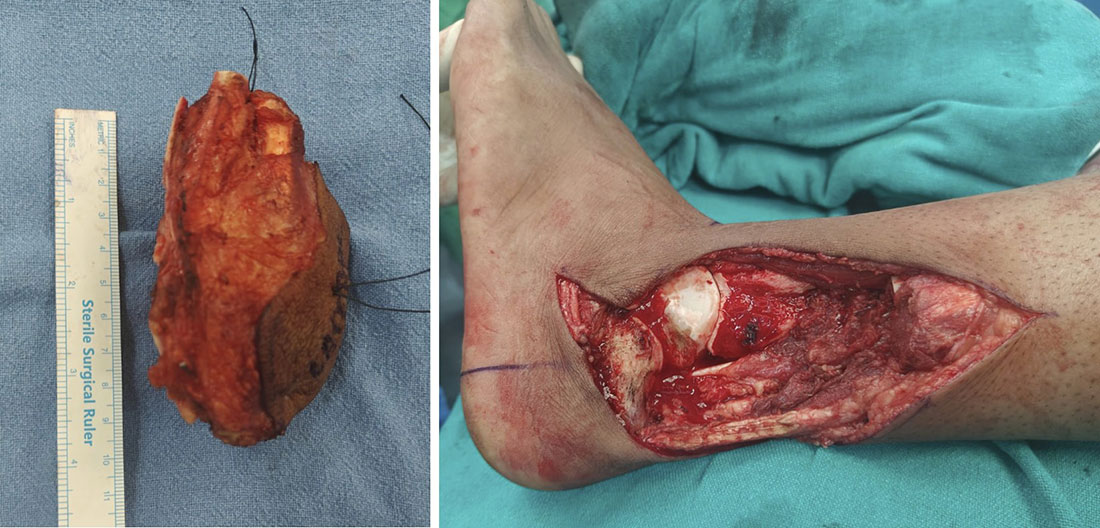
Figure 1. Wide local excision of a soft tissue sarcoma with preservation of surrounding critical structures.
Goals of Surgery
Although every operation is individualized, the objectives remain the same:
- Completely remove the tumor.
- Achieve negative (clear) surgical margins, meaning no cancer cells are present at the cut edge of the removed tissue.
- Preserve important muscles, nerves, blood vessels, joints, and bones whenever safely possible.
- Maintain the best possible limb function.
- Minimize the risk of local recurrence.
- Restore appearance and function through reconstruction when necessary.
These goals must often be balanced carefully. Removing too little tissue increases the risk of recurrence, whereas removing unnecessarily large amounts of normal tissue may result in avoidable disability. The surgeon’s task is to achieve the optimal balance between oncological safety (effective cancer control) and functional preservation.
Clinical Pearl
Successful sarcoma surgery is measured by both cancer control and long-term function. Preserving movement, strength, sensation, and independence is an important part of modern cancer care.
Wide Local Excision: The Standard Surgical Procedure
The most common operation for soft tissue sarcoma is called a wide local excision.
A wide local excision means removing:
- the entire tumor,
- the surrounding capsule (if present), and
- a cuff of normal healthy tissue around it.
This surrounding tissue acts as a safety margin because microscopic cancer cells may extend beyond the visible tumor.
Importantly, the surgeon removes the tumor in one piece (en bloc resection) rather than cutting through it. This reduces the risk of leaving behind cancer cells and helps the pathologist accurately examine the specimen.
The exact amount of normal tissue removed varies depending on the location of the tumor and the nearby structures. For example, a tumor close to a major nerve or blood vessel may require a different surgical strategy than one located within a large muscle compartment.
Doctor Explains
Many patients ask,
“Why can’t you just remove the lump?”
Unlike benign tumors, soft tissue sarcomas often have microscopic extensions that cannot be seen on MRI scans or during surgery. Removing only the visible mass may leave behind cancer cells that can grow into a local recurrence. A wide local excision is therefore designed to remove both the tumor and any microscopic disease surrounding it.
Understanding Surgical Margins
One of the most important terms you will hear after surgery is “surgical margin.”
A surgical margin is the edge of the tissue removed during surgery. After the operation, a pathologist examines these edges under the microscope to determine whether cancer cells are present.
The pathology report usually describes one of three situations.
Table. Understanding Surgical Margins
Achieving an R0 resection (complete removal with negative margins) is one of the strongest predictors of successful local disease control.
However, margins must always be interpreted in context. For tumors located near vital nerves or blood vessels, a very close margin may sometimes be accepted to preserve function, particularly if radiotherapy is part of the treatment plan.
Doctor Explains
A positive margin does not necessarily mean that the surgery has failed or that the cancer will definitely return. The significance depends on the tumor subtype, grade, location, and whether additional treatments such as radiotherapy can reduce the risk of recurrence. Your multidisciplinary team will review the pathology report carefully before recommending the next steps.
Reassurance Box
Waiting for the final pathology report after surgery can be stressful. Remember that decisions about additional treatment are based on the complete pathology findings, not on margin status alone. Many patients with close or positive margins are successfully treated with additional surgery or radiotherapy.
Limb Salvage Surgery: Preserving the Arm or Leg
One of the greatest advances in musculoskeletal oncology has been the development of limb salvage surgery.
Limb salvage surgery refers to removing the tumor completely while preserving the affected arm or leg. The goal is to achieve the same cancer control that would be expected with amputation whenever this can be done safely.
Decades ago, amputation was often considered the standard treatment for limb sarcomas. Today, improvements in imaging, surgical planning, radiotherapy, reconstruction, microsurgery, and rehabilitation allow limb preservation in the majority of patients.
Limb salvage may involve:
- Removal of part of a muscle.
- Resection of tendons.
- Removal and reconstruction of blood vessels.
- Nerve reconstruction in selected cases.
- Bone resection if the tumor extends into adjacent bone.
- Soft tissue reconstruction using muscle or skin flaps.
Although these operations can be technically complex, they often provide excellent long-term function while maintaining effective local tumor control.
When Is Limb Salvage Possible?
Limb salvage is considered whenever the tumor can be removed completely while leaving behind a functional limb.
Factors that favor limb preservation include:
- The tumor can be completely removed.
- Major nerves can be preserved.
- Blood supply can be maintained or reconstructed.
- The expected function after surgery will be useful.
- Reconstruction is technically feasible.
Advances in reconstructive surgery now allow replacement or reconstruction of structures that previously required amputation.
However, limb salvage is not appropriate if preserving the limb would compromise cancer control or leave the patient with a painful, non-functional extremity.
Did You Know?
Modern specialist sarcoma centres achieve limb preservation in most patients with extremity soft tissue sarcomas, while maintaining cancer outcomes comparable to amputation when patients are appropriately selected.
When Is Amputation Necessary?
Although uncommon today, amputation remains an important treatment option in carefully selected situations.
Your surgical team may recommend amputation when:
- The tumor extensively involves major nerves and blood vessels that cannot be safely reconstructed.
- Adequate surgical margins cannot be achieved with limb preservation.
- Previous surgery or radiotherapy has severely damaged local tissues.
- Multiple local recurrences have occurred despite previous treatment.
- Limb salvage would result in a painful or non-functional limb.
- The tumor is associated with uncontrolled infection or severe tissue destruction.
Importantly, amputation is never recommended simply because a tumor is large. The decision depends on whether the cancer can be removed safely while preserving a useful limb.
For some patients, a well-planned amputation followed by modern prosthetic rehabilitation may ultimately provide better function and quality of life than repeated unsuccessful limb-preserving procedures.
Doctor Insight
Choosing between limb salvage and amputation is one of the most complex decisions in sarcoma care. The objective is not merely to save the limb—it is to provide the safest cancer treatment while achieving the best long-term quality of life.
Reassurance Box
Hearing the word “amputation” can be frightening. Fortunately, advances in limb salvage surgery mean that most patients with limb soft tissue sarcomas do not require amputation. If amputation is recommended, it is because your specialist team believes it offers the safest and most effective treatment for your specific situation—not because other options have been overlooked.
Reconstruction After Tumor Removal
Removing a soft tissue sarcoma sometimes leaves a significant defect involving skin, muscle, tendon, blood vessels, or nerves. Reconstructive surgery restores these structures to improve wound healing, preserve function, and achieve the best possible cosmetic result.
Reconstruction may be performed during the same operation as tumor removal or, less commonly, as a staged procedure.
The reconstructive plan depends on the size and location of the defect.
Table. Common Reconstruction Options After Soft Tissue Sarcoma Surgery
Modern microsurgical techniques—where tiny blood vessels are joined together under a microscope—have dramatically expanded the possibilities for limb preservation.
Reconstructive surgeons often work alongside orthopaedic or surgical oncologists as part of the same multidisciplinary operation, ensuring that both cancer removal and functional restoration are addressed simultaneously.
Patient Tip
If reconstruction is planned, ask your surgeon how it may affect wound healing, rehabilitation, and the expected timeline for returning to daily activities. Understanding the recovery process in advance can help you prepare both physically and emotionally.
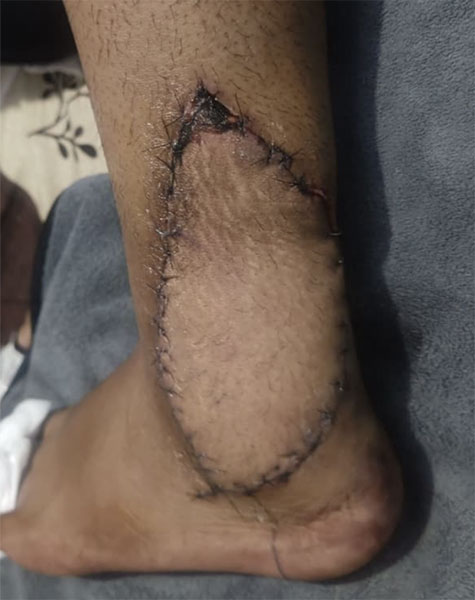
Figure 2. Reconstruction of soft tissue defect following soft tissue sarcoma excision using free flaps.
Recovery and Rehabilitation
For many patients, completing surgery, radiotherapy, or chemotherapy feels like reaching the finish line. In reality, recovery and rehabilitation are essential parts of treatment, helping you regain strength, confidence, and independence.
Recovery is not only about wound healing—it also includes restoring movement, rebuilding muscle strength, adapting to changes in function, managing emotional well-being, and returning to daily life.
The speed of recovery varies depending on:
- The size and location of the tumor.
- The extent of surgery.
- Whether reconstruction was performed.
- Whether radiotherapy or chemotherapy was given.
- Your overall health and fitness.
Your healthcare team will create a personalized rehabilitation plan based on your individual needs.
Hospital Recovery
Immediately after surgery, your medical team will focus on:
- Pain control.
- Monitoring wound healing.
- Preventing infection.
- Reducing the risk of blood clots.
- Encouraging early movement when safe.
Depending on the type of surgery, you may begin gentle exercises within the first few days. Early mobilization helps reduce complications and promotes faster recovery.
Patients who undergo complex reconstructive procedures or limb salvage surgery may initially require walking aids, braces, or temporary restrictions on weight-bearing.
Rehabilitation and Physiotherapy
Physiotherapy is the medical specialty that helps patients restore movement, strength, flexibility, and function after injury or surgery.
For patients with soft tissue sarcoma, rehabilitation often begins soon after surgery and may continue for several months.
Your rehabilitation program may include:
- Range-of-motion exercises to prevent stiffness.
- Muscle strengthening exercises.
- Gait training to improve walking.
- Balance and coordination exercises.
- Scar management.
- Strategies to reduce swelling (lymphedema management).
- Functional training for work and daily activities.
Some patients also benefit from occupational therapy, which focuses on improving the ability to perform everyday tasks such as dressing, cooking, writing, or returning to work.
Patient Tip
Recovery is a gradual process. Avoid comparing your progress with that of other patients, as recovery depends on the type of surgery, reconstruction, and individual healing. Following your rehabilitation program consistently often has a greater impact on long-term function than trying to progress too quickly.
Returning to Daily Life
One of the most common questions patients ask is:
“When can I get back to normal?”
The answer depends on the type of treatment received.
Most patients gradually resume:
- Walking.
- Driving.
- Returning to work.
- Exercise.
- Recreational activities.
High-impact sports or heavy physical work may require a longer recovery period, particularly after extensive reconstruction.
Your surgeon and physiotherapist will guide you on when specific activities are safe.
Possible Complications
Every treatment carries some risks, but serious complications are uncommon when care is delivered by experienced specialist teams.
Possible complications include:
- Wound infection.
- Delayed wound healing.
- Bleeding.
- Fluid collection (seroma).
- Nerve injury causing numbness or weakness.
- Joint stiffness.
- Persistent swelling (lymphedema).
- Blood clots.
- Local recurrence of the tumor.
Most complications can be treated successfully when recognized early.
Red Flag Box
Contact your healthcare team immediately if you develop:
- Fever above 38°C.
- Increasing redness or discharge from the wound.
- Severe or worsening pain.
- Sudden swelling of the limb.
- Chest pain or difficulty breathing.
- New weakness or loss of sensation.
Early medical assessment can prevent many complications from becoming more serious.
Follow-up After Treatment
Completing treatment does not mean follow-up care ends.
Regular follow-up allows your healthcare team to:
- Detect recurrence early.
- Identify complications of treatment.
- Monitor rehabilitation.
- Assess long-term function.
- Provide ongoing support.
The frequency of follow-up depends on the tumor subtype, grade, and individual risk of recurrence.
Table. Typical Follow-up Schedule*
*Individual schedules vary according to international guidelines and your treating team’s recommendations.
Follow-up visits commonly include:
- Physical examination.
- MRI or ultrasound of the operated area when indicated.
- Chest X-ray or CT scan to detect lung metastases.
- Assessment of limb function.
- Discussion of any new symptoms.
Clinical Pearl
Follow-up is about much more than looking for recurrence. It also helps optimize long-term function, detect treatment-related complications, and provide reassurance throughout survivorship.
Can Soft Tissue Sarcoma Come Back?
Unfortunately, some soft tissue sarcomas can recur despite appropriate treatment.
Recurrence may occur:
- Locally, meaning the cancer returns near the original site.
- Distantly, where it spreads to other organs, most commonly the lungs.
The risk of recurrence depends on several factors, including:
- Tumor grade.
- Tumor size.
- Sarcoma subtype.
- Surgical margins.
- Response to treatment.
Importantly, recurrence does not mean there are no treatment options.
Many patients with recurrent sarcoma can undergo further surgery, radiotherapy, systemic therapy, or combinations of these treatments.
Doctor Insight
Detecting recurrence early often provides more treatment options. This is one of the reasons regular follow-up appointments remain so important, even if you feel completely well.
When Should You Seek a Second Opinion?
Seeking a second opinion is a normal part of modern cancer care.
A second opinion may be particularly valuable if:
- You have a rare sarcoma subtype.
- Amputation has been recommended.
- You have been told your tumor cannot be removed.
- Your pathology diagnosis is uncertain.
- The tumor has recurred.
- You are considering participation in a clinical trial.
- You wish to better understand your treatment options.
Obtaining another expert opinion should not be viewed as a lack of trust in your treating doctor. Most specialists welcome multidisciplinary review because sarcoma treatment often involves complex decisions.
Doctor Explains
A second opinion is most useful before major treatment begins, particularly before surgery. It may confirm the original recommendation or identify additional treatment options that are available in specialist sarcoma centres.
Frequently Asked Questions
Will everyone with soft tissue sarcoma need surgery?
Most patients with localized disease require surgery, but the exact procedure varies depending on the tumor.
Will I lose my arm or leg?
No. Modern limb salvage surgery allows limb preservation in the majority of patients with extremity soft tissue sarcomas.
Does everyone need chemotherapy?
No. Chemotherapy is recommended only for selected patients based on tumor subtype, grade, stage, and estimated benefit.
Is radiotherapy always necessary?
No. Some low-grade tumors can be successfully treated with surgery alone.
Can soft tissue sarcoma be cured?
Many patients with localized soft tissue sarcoma are treated with the goal of cure, particularly when complete surgical removal is achieved.
How long will recovery take?
Recovery varies widely. Initial healing usually occurs over several weeks, while full functional recovery may continue for several months.
Can I return to work?
Many patients return to work after treatment, although the timing depends on the type of surgery, rehabilitation, and the physical demands of their occupation.
Should I seek a second opinion?
If you have any uncertainty about your diagnosis or treatment plan, seeking a second opinion at a specialist sarcoma centre is reasonable and often reassuring.
How long will I stay in the hospital after surgery?
Hospital stay depends on the extent of surgery. Simple tumor removal may require only a few days, while limb salvage surgery with reconstruction may require one to two weeks or longer. Discharge is planned once pain is controlled, the wound is healing well, and you can move safely.
Will I need reconstructive surgery?
Not everyone does. Small defects can often be closed directly, whereas larger tumors may require skin grafts, local flaps, or microsurgical free flaps to restore function, protect vital structures, and improve wound healing.
Can I travel after treatment?
Most patients can travel after recovering from treatment. Discuss long journeys with your healthcare team, especially soon after surgery or during chemotherapy. Carry a summary of your medical records when travelling.
Will treatment affect my fertility?
Some chemotherapy drugs, and occasionally surgery or radiotherapy, may affect fertility. If you plan to have children, discuss fertility preservation options such as sperm banking or egg freezing before treatment begins.
Can I exercise after treatment?
Yes. Gradual, supervised exercise improves strength, mobility, and recovery. Your physiotherapist will recommend a program tailored to your surgery and overall fitness.
Should I change my diet during treatment?
There is no proven “sarcoma diet.” A balanced, protein-rich diet supports healing and recovery. If treatment affects your appetite or weight, consult an oncology dietitian for personalized advice.
Medical Disclaimer
This information is intended for educational purposes only and should not replace professional medical advice. Every patient with soft tissue sarcoma is unique, and treatment decisions should be made in consultation with an experienced multidisciplinary sarcoma team. If you have been diagnosed with a soft tissue sarcoma or have concerns about your treatment plan, please consult your treating specialist.
References
- NCCN Clinical Practice Guidelines in Oncology: Soft Tissue Sarcoma. National Comprehensive Cancer Network.
- Casali PG, Abecassis N, Bauer S, et al. Soft Tissue and Visceral Sarcomas: ESMO–EURACAN–GENTURIS Clinical Practice Guidelines. Annals of Oncology. 2021.
- WHO Classification of Tumours Editorial Board. WHO Classification of Soft Tissue and Bone Tumours. 5th Edition. IARC; 2020.
- Hayes, A.J., Nixon, I.F., Strauss, D.C. et al. UK guidelines for the management of soft tissue sarcomas. Br J Cancer 132, 11–31 (2025).
- Gronchi A, Miah AB, Dei Tos AP, et al. Soft Tissue and Visceral Sarcomas: ESMO Clinical Practice Guideline Update. Annals of Oncology. 2021.
- Enneking WF, Spanier SS, Goodman MA. The surgical staging of musculoskeletal sarcoma. J Bone Joint Surg Am.
- Singer, S., Moraco, N., Antonescu, C., & Brennan, M. (2014). Lessons Learned From the Study of 10,000 Patients With Soft Tissue Sarcoma. Annals of Surgery, 260(3), 416–422
- Grimer, Robert, Judson, Ian, Peake, David, Seddon, Beatrice, Guidelines for the Management of Soft Tissue Sarcomas, Sarcoma, 2010, 506182, 15 pages, 2010.
 +91 93558 33005