Quick Summary
- Ewing Sarcoma is a primary malignant bone cancer.
- It most commonly affects children, teenagers, and young adults.
- Persistent bone pain and swelling are the most common early symptoms.
- Treatment usually begins with chemotherapy, followed by surgery and/or radiotherapy.
- Most patients are treated by a multidisciplinary sarcoma team.
- Early diagnosis and specialized treatment improve both survival and long-term function.
.jpg "Ewing sarcoma of the thigh bone (femur)")
Figure 1. Ewing sarcoma of the thigh bone (femur) : showing an aggressive bone lesion with surrounding new bone formation on X-ray.
“My child has been diagnosed with Ewing sarcoma. Is it curable? Why are doctors talking about chemotherapy before surgery?”
Hearing the words “your child has Ewing Sarcoma” or “you have bone cancer” is understandably frightening. It is natural to have questions about survival, treatment, school or work, fertility, and whether surgery will result in the loss of a limb.
Ewing Sarcoma is a rare cancer that starts in the bone or nearby soft tissues. It belongs to a group of tumors known as primary bone cancers, meaning the cancer begins within the bone itself rather than spreading from another organ. Although it is an aggressive disease, it is also one of the most treatment-responsive bone cancers, particularly when diagnosed early and managed using a coordinated, multidisciplinary approach.
One of the most important differences between Ewing Sarcoma and many other bone tumors is that treatment does not begin with surgery. Because microscopic cancer cells may already be present elsewhere in the body, even when scans appear normal, treatment usually starts with chemotherapy. Chemotherapy helps destroy these unseen cancer cells, shrinks the primary tumor, and improves the chances of successful local treatment with surgery and, when appropriate, radiotherapy.
For many families, the treatment plan can initially seem complex. It often involves several specialists, multiple investigations, and treatment over many months. Although this may feel overwhelming, each step has a specific purpose, and together they provide the best opportunity for long-term disease control while preserving function and quality of life.
This guide explains the entire journey—from recognising the earliest symptoms and understanding the diagnosis to chemotherapy, surgery, radiotherapy, rehabilitation, survivorship, and long-term follow-up. It is written for patients, parents, caregivers, and healthcare professionals seeking clear, evidence-based information grounded in current international practice.
What is Ewing Sarcoma?
Ewing Sarcoma is a rare but aggressive cancer that usually begins in the bone, although it can occasionally arise in the surrounding soft tissues. It most commonly affects children, adolescents, and young adults, with the majority of patients diagnosed between 10 and 20 years of age.
Unlike many other bone tumors, treatment for Ewing Sarcoma almost always involves a combination of chemotherapy, surgery, and sometimes radiotherapy. These treatments work together to destroy cancer cells throughout the body, remove the primary tumor, and reduce the risk of recurrence.
Although a diagnosis of Ewing Sarcoma can be overwhelming, important advances in multidisciplinary care have significantly improved outcomes. Many patients with localized disease are successfully treated and go on to live active, fulfilling lives. Early diagnosis, treatment at an experienced sarcoma center, and close collaboration between specialists are key to achieving the best possible results.
Clinical Pearl
Ewing Sarcoma should always be treated in a specialist sarcoma center where orthopaedic oncologists, pediatric or medical oncologists, radiologists, pathologists, radiation oncologists, and rehabilitation specialists work together to plan treatment.
Doctor Explains
Why Does Chemotherapy Come Before Surgery?
Many patients expect surgery to be the first treatment. However, Ewing Sarcoma behaves differently from most benign bone tumors.
Chemotherapy is usually given before surgery because it:
- Treats microscopic cancer cells that may have spread but are too small to detect on scans.
- Shrinks the primary tumor, making surgery safer and more effective.
- Allows doctors to assess how well the tumor responds to treatment, which provides valuable prognostic information.
This sequence has become the standard of care worldwide because it improves the likelihood of successful long-term treatment.
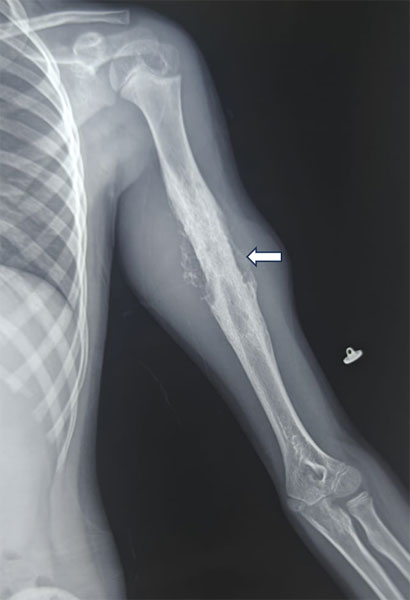
Figure 2. Ewing sarcoma of the arm bone (humerus): showing significant tumor shrinkage after chemotherapy on MRI.
Did You Know?
💡 Approximately 70–75% of patients with Ewing Sarcoma have disease confined to the original site at the time of diagnosis. Early recognition and prompt referral to a specialist center play an important role in achieving the best possible outcomes.
Patient Tip
If you have been diagnosed with Ewing Sarcoma, keep copies of your X-rays, MRI scans, biopsy report, and pathology slides. These are invaluable if you seek a second opinion or are referred to a specialist sarcoma center.
If You Have Just Been Diagnosed
A diagnosis of Ewing Sarcoma can feel overwhelming, but there are several important facts to remember:
- Treatment follows well-established international protocols developed over decades of research.
- You will usually be cared for by a multidisciplinary team, with each specialist contributing to your treatment plan.
- Chemotherapy, surgery, and radiotherapy each have a specific role and are carefully coordinated.
- Many patients with localized Ewing Sarcoma are successfully treated and return to school, work, sports, and everyday life after completing therapy.
- You do not need to understand everything at once. Your healthcare team will guide you through each stage of treatment.
Take one step at a time. The first priority is completing the investigations needed to confirm the diagnosis, determine the stage of the disease, and develop an individualized treatment plan.
Key Facts Box
Why Does Ewing Sarcoma Occur?
Despite decades of research, the exact cause of Ewing Sarcoma remains unknown. In almost all patients, there is nothing that they or their parents did to cause the disease, and there is currently no known way to prevent it.
Unlike many common cancers, Ewing Sarcoma is not linked to lifestyle factors such as diet, exercise, smoking, or environmental exposures. It is also not caused by an injury, although a minor injury may sometimes draw attention to an underlying tumor by leading to an X-ray or MRI.
Researchers now understand that Ewing Sarcoma develops because of specific genetic changes within the tumor cells. These changes occur after birth and are confined to the cancer cells—they are not inherited and are not passed from parents to children.
Doctor Explains
What Is the EWSR1-FLI1 Gene Fusion?
One of the defining features of Ewing Sarcoma is a change called the EWSR1-FLI1 gene fusion.
Genes are instructions that tell cells how to grow and function. In Ewing Sarcoma, two genes that are normally separate become joined together because of a rearrangement between chromosomes 11 and 22. This abnormal “fusion gene” sends continuous signals that encourage tumor cells to grow.
Although this sounds complex, the important points for patients are simple:
- The gene fusion develops only in the tumor cells.
- It is not inherited.
- It does not mean that other family members are at increased risk.
- Detecting this fusion helps doctors confirm the diagnosis.
Today, many specialist laboratories perform molecular testing to identify this characteristic genetic change.
Did You Know?
💡 Around 85–90% of Ewing Sarcomas contain an EWSR1-FLI1 fusion, making it one of the most characteristic molecular features of this cancer.
Who Is Most Commonly Affected?
Ewing Sarcoma has a distinctive age distribution.
It occurs most often in:
- Children older than 5 years
- Teenagers
- Young adults
The highest incidence is between 10 and 20 years of age.
Although it is much less common, Ewing Sarcoma can also occur in adults, so the diagnosis should not be excluded solely because of age.
The disease is slightly more common in males than females and is rare in older adults.
Where Does Ewing Sarcoma Usually Occur?
Ewing Sarcoma can develop in almost any bone, but it tends to affect large bones and the pelvis.
The most common locations include:
- Pelvis
- Femur (thigh bone)
- Tibia (shin bone)
- Humerus (upper arm bone)
- Ribs
- Chest wall
- Scapula (shoulder blade)
Unlike Giant Cell Tumor, which usually develops near the ends of bones, Ewing Sarcoma often arises in the shaft (diaphysis) or metaphysis of long bones.
In some patients, Ewing Sarcoma develops in the soft tissues rather than the bone. This is known as extraskeletal Ewing Sarcoma, and it is treated using similar multidisciplinary principles.
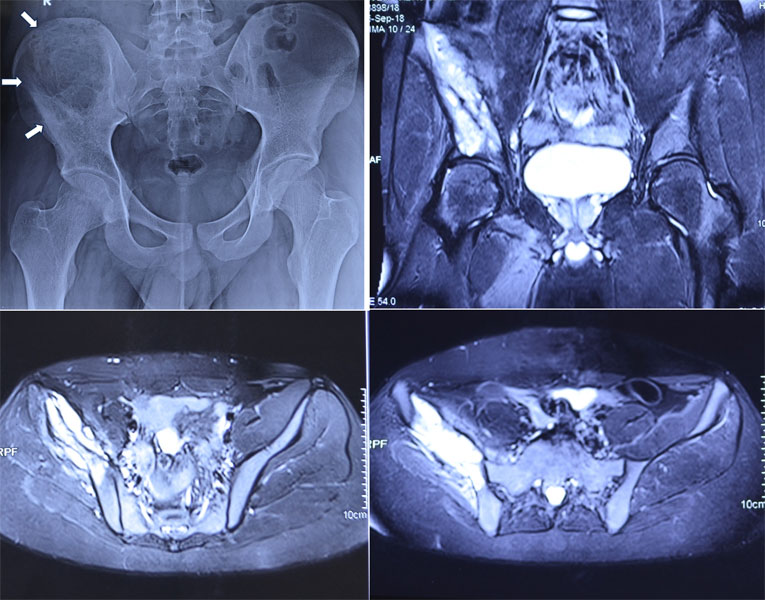
Figure 3. Ewing sarcoma of the pelvis involving the right pelvic bone, demonstrated on X-ray and MRI.
Figure 4. Ewing sarcoma of the thigh bone (femur) with changes in the bone and surrounding soft tissues on X-ray.
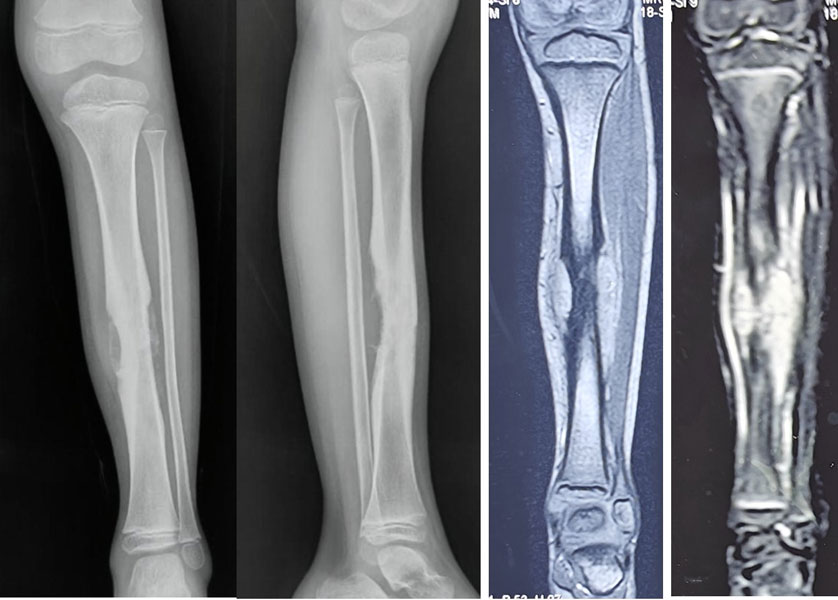
Figure 5. Ewing sarcoma of the shin bone (tibia) showing an abnormal area of bone destruction and new bone formation on X-rays.
Figure 6. Ewing sarcoma of the upper arm bone (humerus) showing an extensive bone lesion with surrounding soft-tissue involvement.
Common Sites of Ewing Sarcoma
Is Ewing Sarcoma Caused by an Injury?
Many patients remember a fall or sporting injury shortly before their symptoms began and wonder whether this caused the cancer.
Current evidence shows that injuries do not cause Ewing Sarcoma.
Instead, the injury often leads to medical evaluation, allowing an existing tumor to be discovered.
Similarly, there is no convincing evidence that Ewing Sarcoma is caused by:
- Sports participation
- Heavy exercise
- Diet
- Vitamin deficiency
- Infection
- Mobile phone use
- Routine medications
Clinical Pearl
Persistent bone pain lasting more than a few weeks should not automatically be attributed to a sports injury, particularly in children and adolescents. When symptoms persist despite rest or appropriate treatment, imaging is warranted to exclude an underlying bone lesion.
Doctor Insight
One of the greatest challenges in diagnosing Ewing Sarcoma is that its early symptoms often resemble far more common conditions such as muscle strains, sports injuries, or growing pains. Maintaining a high index of suspicion and obtaining appropriate imaging when symptoms persist are key to achieving an early diagnosis.
Patient Tip
If a child or teenager has persistent bone pain that is worsening, wakes them at night, or is associated with swelling, seek medical evaluation rather than assuming it is a minor injury or “growing pains.”
Symptoms, Diagnosis & Staging of Ewing Sarcoma
Early diagnosis of Ewing Sarcoma can be challenging because the symptoms often resemble common conditions such as sports injuries, muscle strains, or bone infections. As a result, some patients experience several weeks or months of symptoms before the correct diagnosis is made.
A careful combination of clinical evaluation, imaging, biopsy, molecular testing, and staging investigations is required before treatment begins.
The goals of evaluation are to:
- Confirm the diagnosis.
- Determine the extent of the tumor.
- Assess whether the disease has spread.
- Plan chemotherapy, surgery, and radiotherapy.
Symptoms of Ewing Sarcoma
The symptoms usually develop gradually but may become progressively worse over time.
Persistent Bone Pain
Pain is the most common symptom.
It often:
- Begins gradually
- Becomes more frequent over time
- Persists despite rest
- May wake the patient at night
- Is not relieved by routine treatment for sports injuries
Unlike muscle injuries, the pain typically does not resolve within a few weeks.
Swelling
As the tumor enlarges, patients may notice:
- Swelling over the affected bone
- Tenderness
- Warmth
- A visible lump
Swelling is usually more noticeable in tumors close to the surface, such as those involving the arm or leg.
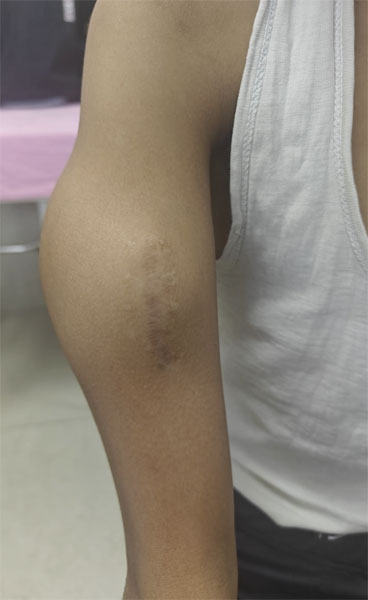
Figure 7. Swelling or a growing lump may be a sign of an underlying bone tumor such as Ewing sarcoma and should be evaluated if persistent or increasing.
Limp or Difficulty Using the Limb
When the lower limb is affected, children may develop:
- Limping
- Difficulty running
- Reluctance to bear weight
- Reduced participation in sports
Tumors affecting the upper limb may cause pain, weakness, or reduced shoulder or arm movement.
General Symptoms
Unlike many benign bone tumors, some patients with Ewing Sarcoma may develop systemic symptoms, meaning symptoms affecting the whole body.
These may include:
- Fever
- Fatigue
- Weight loss
- Reduced appetite
Although these symptoms are less common, they can sometimes resemble an infection.
Pathological Fracture
Occasionally, the tumor weakens the bone sufficiently to cause a pathological fracture, where the bone breaks after minimal trauma.
This is an uncommon but important presentation requiring urgent specialist evaluation.
Pathological Fractures in Bone Tumors
Clinical Pearl
Persistent bone pain in a child or adolescent should never be dismissed as “growing pains” if it is progressive, localized, or associated with swelling. Early imaging is essential.
Clinical Evaluation
Your doctor will begin with a detailed medical history and physical examination.
Important questions include:
- When did the pain begin?
- Has it become progressively worse?
- Is there night pain?
- Has swelling developed?
- Has there been any recent injury?
- Are fever or weight loss present?
During examination, the doctor evaluates:
- Tenderness
- Swelling
- Range of motion of nearby joints
- Muscle strength
- Limb function
- Neurovascular status (blood supply and nerve function)
Although these findings raise suspicion, they cannot confirm the diagnosis.
Imaging Studies
Imaging helps determine where the tumor is located, how extensive it is, and whether it has spread.
X-ray – The First Investigation
A plain X-ray is usually the first imaging study.
Typical findings may include:
- Bone destruction
- A poorly defined lesion
- Cortical destruction
- A layered “onion-skin” periosteal reaction (new bone formation around the tumor)
- Soft tissue swelling
Although these findings strongly suggest Ewing Sarcoma, they are not specific, and further investigations are always required.
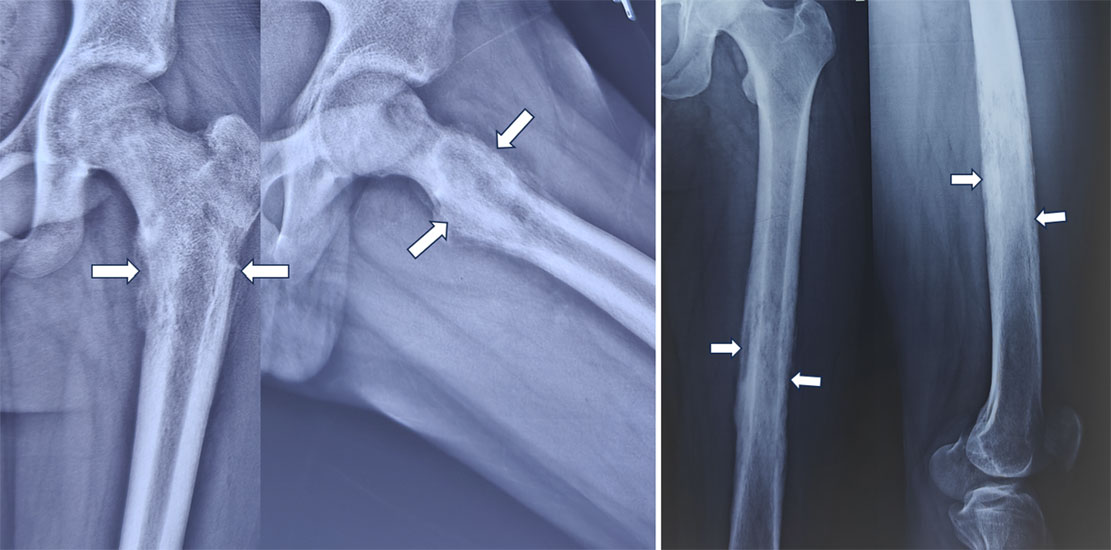
Figure 8A. X-ray features of Ewing sarcoma, showing an aggressive bone lesion with bone destruction and layered new bone formation.
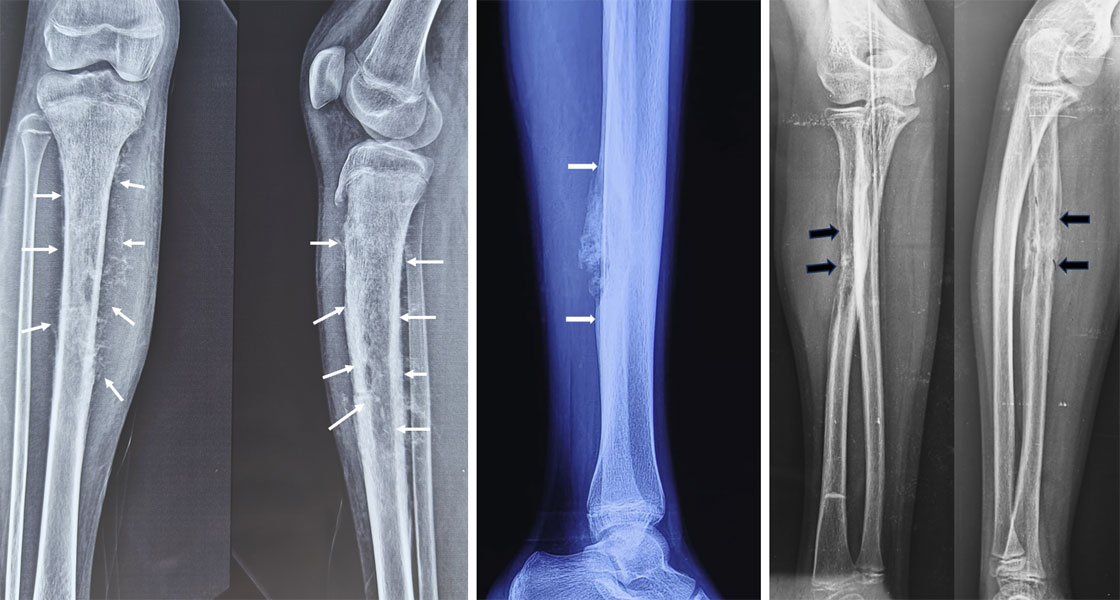
Figure 8B. X-ray appearance of Ewing sarcoma in the forearm, demonstrating bone destruction and new bone formation.
Internal Link: → X-ray Evaluation of Bone Tumors
MRI – The Most Important Local Imaging Study
MRI (Magnetic Resonance Imaging) uses magnetic fields rather than radiation to create detailed images of the bone and surrounding soft tissues.
MRI helps determine:
- The exact size of the tumor
- Extension into muscles or other soft tissues
- Relationship to nerves and blood vessels
- Joint involvement
- Bone marrow involvement
- The safest biopsy pathway
MRI is essential for planning both biopsy and surgery.
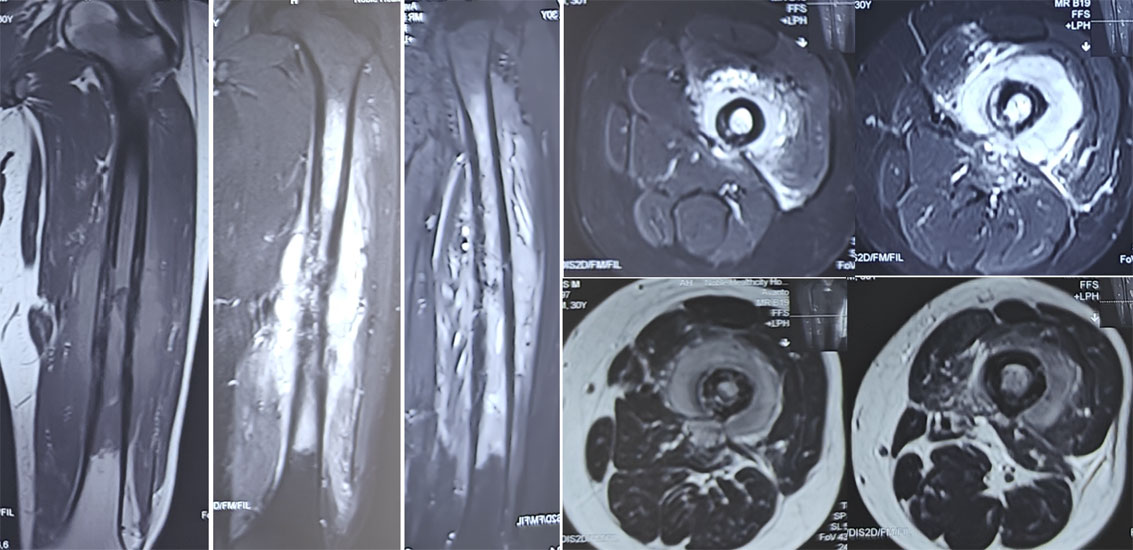
Figure 9. MRI evaluation of Ewing sarcoma showing the extent of the bone tumor and its involvement of the surrounding soft tissues.
Internal Link: → MRI for Bone Tumors
CT Scan
CT (Computed Tomography) provides detailed images of bone.
It is particularly useful for:
- Complex anatomical regions such as the pelvis or spine
- Surgical planning
- Assessing the lungs for metastases
PET-CT
PET-CT combines anatomical imaging with metabolic imaging to detect areas of increased tumor activity.
It is commonly used for:
- Whole-body staging
- Detecting metastatic disease
- Assessing response to chemotherapy
- Identifying recurrence during follow-up in selected patients
Why Is a Biopsy Necessary?
A biopsy is the only way to confirm the diagnosis of Ewing Sarcoma.
Even when imaging strongly suggests Ewing Sarcoma, other conditions such as osteomyelitis (bone infection), osteosarcoma, lymphoma, or Langerhans cell histiocytosis can appear similar.
Most patients undergo a core needle biopsy, performed under imaging guidance by an experienced team.
The biopsy must be carefully planned, because an incorrectly placed biopsy tract may complicate future limb-salvage surgery.
Internal Link: → Bone Tumor Biopsy
Doctor Explains
Why We Never Start Treatment Without a Biopsy?
Chemotherapy is highly effective against Ewing Sarcoma, but it is not appropriate for every bone tumor.
Starting treatment without confirming the diagnosis could expose patients to unnecessary chemotherapy or delay the correct treatment for another condition.
A biopsy ensures that treatment is accurate, individualized, and evidence based.
Clinical Pearl
Biopsy should be performed only after appropriate imaging and should ideally be undertaken at the centre where definitive treatment will be provided. This helps preserve future surgical options and minimizes avoidable complications.
Molecular Diagnosis
One of the defining features of Ewing Sarcoma is the presence of a characteristic gene fusion, most commonly EWSR1-FLI1.
Specialized laboratory tests such as:
- Fluorescence in situ hybridization (FISH)
- Reverse transcription polymerase chain reaction (RT-PCR)
- Next-generation sequencing (NGS)
may be used to confirm this molecular abnormality.
Molecular testing increases diagnostic confidence, particularly when the microscopic appearance is not straightforward.
Staging: Has the Cancer Spread?
Once the diagnosis is confirmed, staging investigations determine whether the cancer is confined to its original site (localized disease) or has spread (metastatic disease).
The lungs are the most common site of spread, followed by other bones and, less commonly, the bone marrow.
Staging is important because it influences treatment planning and prognosis.
Conditions That Can Mimic Ewing Sarcoma
Several conditions may resemble Ewing Sarcoma on imaging or even clinically.
These include:
- Osteomyelitis (bone infection)
- Osteosarcoma
- Primary bone lymphoma
- Langerhans cell histiocytosis
- Metastatic neuroblastoma (in young children)
This is another reason why biopsy is essential before treatment begins.
- Osteosarcoma
- Bone Tumor Biopsy
- Bone Tumors: Symptoms, Diagnosis, Treatment & Types
Doctor Insight
Successful treatment begins long before chemotherapy or surgery. Accurate diagnosis, high-quality MRI, careful biopsy planning, molecular confirmation, and complete staging are the foundations of personalized treatment and help ensure that every patient receives the most appropriate care.
Patient Tip
Whenever possible, complete your MRI before the biopsy, and keep copies of your imaging studies and pathology reports. These records are invaluable during multidisciplinary discussions and when seeking a second opinion.
The Ewing Sarcoma Treatment Journey
Treatment for Ewing Sarcoma is carefully planned by a multidisciplinary sarcoma team, which typically includes an orthopaedic oncologist, pediatric or medical oncologist, radiation oncologist, musculoskeletal radiologist, pathologist, physiotherapist, and specialist nursing team.
Unlike many other bone tumors, treatment usually does not begin with surgery. Instead, therapy is delivered in a planned sequence designed to treat both the visible tumor and microscopic cancer cells that may have spread elsewhere in the body.
The treatment journey generally includes:
- Confirmation of the diagnosis
- Staging investigations
- Chemotherapy
- Surgery and/or radiotherapy (local control)
- Further chemotherapy
- Rehabilitation
- Long-term follow-up
This coordinated approach has significantly improved outcomes over the past several decades.
“Every stage of treatment has a purpose. Chemotherapy, surgery, and radiotherapy work together to achieve the best possible outcome.”
Chemotherapy – Why Is It Given First?
Chemotherapy uses medicines to destroy cancer cells throughout the body. Because Ewing Sarcoma has the potential to spread early—even when scans appear normal—chemotherapy is considered an essential part of treatment for almost every patient.
The first phase, called neoadjuvant chemotherapy, is given before surgery or radiotherapy.
Its objectives are to:
- Destroy microscopic cancer cells that cannot yet be detected.
- Shrink the primary tumor.
- Improve the likelihood of complete surgical removal.
- Reduce the risk of recurrence.
- Assess how well the tumor responds to treatment.
Treatment is usually delivered over several months in repeated cycles, allowing the body time to recover between treatments.
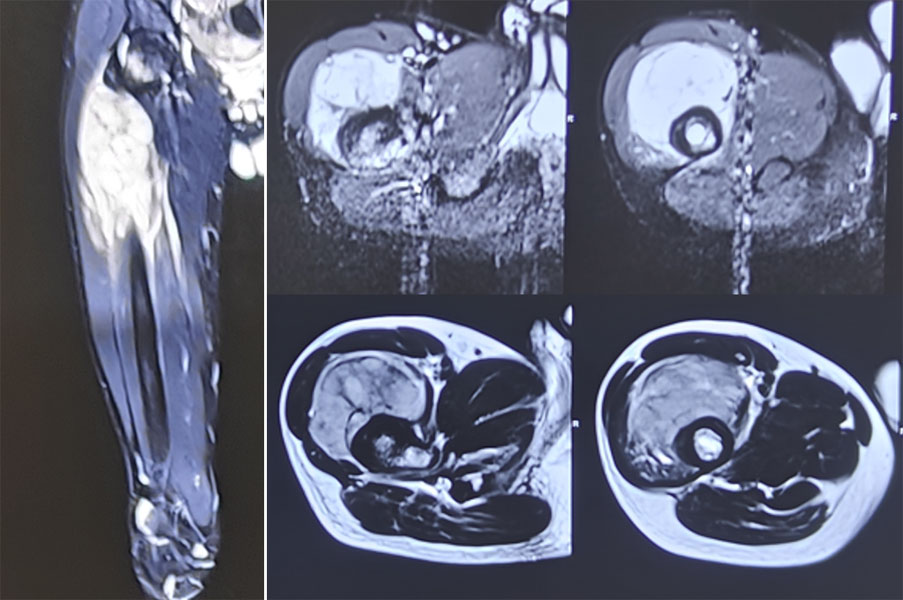
Figure 10A. MRI of Ewing sarcoma of the femur before chemotherapy, showing the primary bone tumor and associated soft-tissue component.
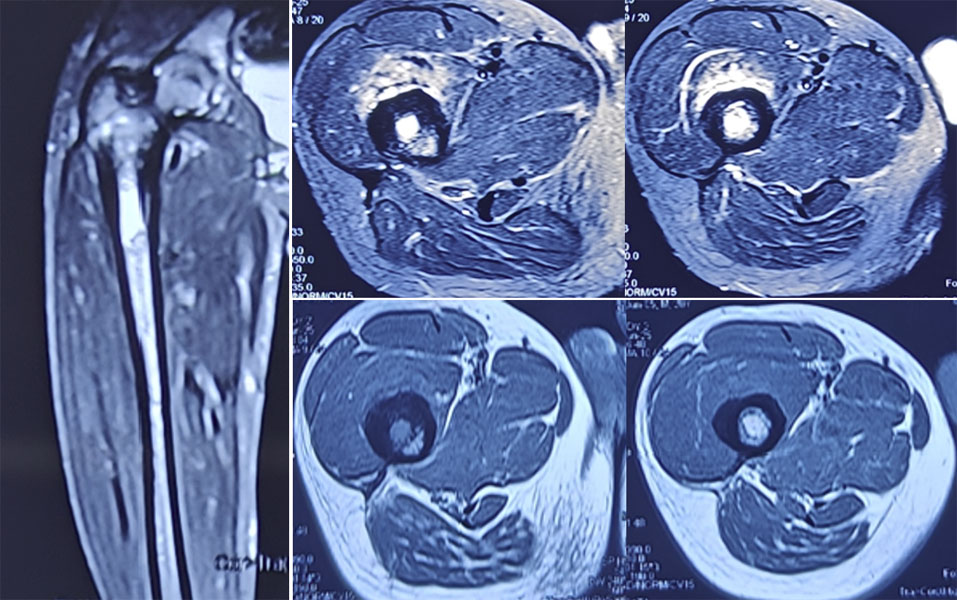
Figure 10B. MRI after chemotherapy for Ewing sarcoma of the femur, showing a good treatment response with marked reduction in the tumor.
Doctor Explains
Why Can’t the Tumor Be Removed Immediately?
Although removing the tumor may seem like the most urgent priority, surgery alone cannot eliminate microscopic cancer cells that may already be circulating elsewhere in the body.
Starting with chemotherapy improves the effectiveness of local treatment and has become the internationally accepted standard of care.
Which Chemotherapy Drugs Are Used for Ewing Sarcoma?
Chemotherapy is the foundation of treatment for Ewing Sarcoma. Rather than using a single medicine, doctors use a combination of chemotherapy drugs because different medicines attack cancer cells in different ways. Using multiple drugs together improves the chances of destroying cancer cells while reducing the risk of drug resistance.
The exact treatment plan may vary depending on your age, overall health, whether the disease is localized or metastatic, and the treatment protocol being followed at your cancer centre.
The medicines most commonly used include:
Vincristine
A chemotherapy drug that interferes with cancer cell division. It is commonly included in the early treatment cycles.
Doxorubicin (Adriamycin)
An anthracycline chemotherapy drug that is highly effective against Ewing Sarcoma. Because it can affect heart function in some patients, heart function is carefully monitored before and during treatment.
Cyclophosphamide
An alkylating agent that damages the DNA of cancer cells, preventing them from multiplying.
Ifosfamide
A powerful chemotherapy drug frequently used in combination with other medicines, particularly during later treatment cycles. Patients receive additional medication and intravenous fluids to protect the bladder and kidneys during treatment.
Etoposide
This drug prevents cancer cells from repairing their DNA, making it an important component of many modern Ewing Sarcoma treatment protocols.
Together, these medicines are commonly administered in alternating combinations known as the VDC/IE regimen, which includes:
- V – Vincristine
- D – Doxorubicin
- C – Cyclophosphamide
- I – Ifosfamide
- E – Etoposide
These combinations have become the standard treatment in many international protocols for patients with localized Ewing Sarcoma.
Doctor Explains
Why Are Several Chemotherapy Drugs Used Instead of Just One?
Each chemotherapy drug attacks cancer cells in a different way. By combining medicines with complementary mechanisms of action, doctors can destroy a greater number of cancer cells, reduce the likelihood of resistance, and improve the chances of long-term disease control.
Will Chemotherapy Be Difficult?
Chemotherapy affects each patient differently. Many people experience temporary side effects such as tiredness, nausea, hair loss, or an increased risk of infection. Fortunately, modern supportive care—including effective anti-nausea medication, nutritional guidance, and infection prevention—has made treatment much more manageable than in the past.
Your oncology team will monitor you closely and adjust treatment when necessary to maintain both safety and effectiveness.
Patient Tip
Every chemotherapy cycle is carefully planned. Before each cycle, your medical team will usually check your blood counts, kidney function, liver function, and overall health to ensure it is safe to continue treatment. Occasionally, treatment may be delayed for a few days to allow your body to recover—this is common and does not necessarily mean that the treatment is becoming less effective.
Clinical Pearl
Modern treatment protocols using multi-agent chemotherapy, combined with surgery and/or radiotherapy, have dramatically improved survival for patients with localized Ewing Sarcoma over the past several decades.
Surgery – Achieving Local Control
After the initial phase of chemotherapy, the tumor is reassessed using MRI and other imaging studies.
If surgery is appropriate, the aim is to:
- Remove the entire tumor with a clear margin of healthy tissue.
- Preserve the limb whenever it is oncologically safe.
- Restore stability and function using appropriate reconstruction techniques.
Today, limb salvage surgery is possible for many patients, avoiding amputation while maintaining excellent function.
Depending on the location and extent of the tumor, reconstruction may involve:
- Biological reconstruction
- Endoprosthetic (mega prosthesis) reconstruction
- Allograft or autograft techniques
- Expandable prostheses in selected growing children
The choice of reconstruction is individualized according to age, tumor location, expected growth, and functional requirements.
-before-treatment.jpg "Ewing sarcoma of the thigh bone (femur)")
Figure 11A. Ewing sarcoma of the thigh bone (femur) before treatment, involving the bone and surrounding soft tissues
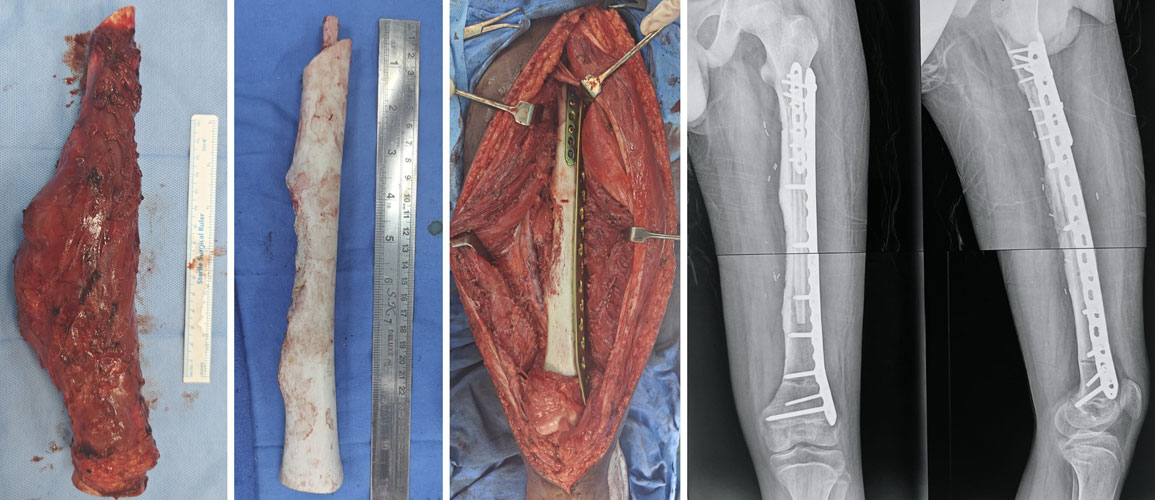
Figure 11B. Limb-sparing surgery for Ewing sarcoma of the femur after chemotherapy, using wide surgical resection, extracorporeal irradiation and biological reconstruction.
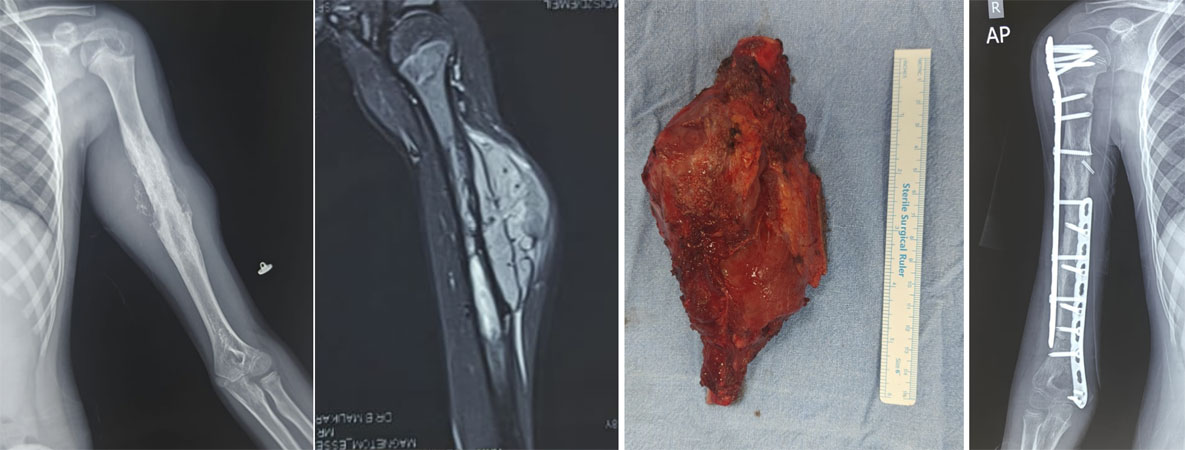
Figure 12. Limb-sparing treatment of Ewing sarcoma of the arm bone (humerus) using wide surgical resection, extracorporeal irradiation and biological reconstruction.
Clinical Pearl
Successful limb salvage depends on complete tumor removal. Preserving the limb should never compromise cancer control. The safest operation is the one that achieves both adequate oncological clearance and the best possible long-term function.
-showing-tumor.jpg "Ewing sarcoma of the upper arm bone (humerus)")
Figure 13. Ewing sarcoma of the upper arm bone (humerus) showing tumor response after chemotherapy, followed by wide resection and shoulder reconstruction with an endoprosthesis.
.jpg "Ewing sarcoma of the upper thigh bone (proximal femur)")
Figure 14. Ewing sarcoma of the upper thigh bone (proximal femur) showing response to chemotherapy, followed by wide resection and hip reconstruction with an endoprosthesis.
What We Look For During Surgery
Although every operation is individualized, the surgical team aims to achieve several important goals:
- Complete removal of the tumor with an adequate margin.
- Protection of nearby nerves and blood vessels whenever possible.
- Preservation of muscles and joints when oncologically safe.
- Stable reconstruction of the bone.
- Planning for long-term function and rehabilitation.
These decisions are made before surgery using detailed imaging, biopsy findings, and multidisciplinary discussion.
Doctor Insight
The operation is not judged solely by how much bone is removed. Success is measured by achieving complete cancer clearance while preserving as much normal anatomy and function as safely possible.
Figure 15. Ewing sarcoma of the pelvis treated with chemotherapy followed by wide surgical resection of the tumor.
-treated.jpg "Ewing sarcoma of the forearm bone (radius)")
Figure 16. Ewing sarcoma of the forearm bone (radius) treated with chemotherapy followed by surgical removal of the tumor.
When Is Radiotherapy Used?
Radiotherapy uses high-energy radiation to destroy cancer cells.
Unlike osteosarcoma, Ewing Sarcoma is relatively sensitive to radiotherapy, making it an important treatment option in selected situations.
Radiotherapy may be recommended:
- When surgery is not feasible.
- If complete surgical removal would cause unacceptable loss of function.
- When microscopic tumor cells remain after surgery.
- For selected patients with metastatic disease.
- Occasionally in combination with surgery to improve local control.
Your multidisciplinary team will determine whether surgery, radiotherapy, or a combination of both offers the best balance between disease control and function.
Surgery and Radiotherapy: How Are They Different?
Common Mistakes to Avoid
Early specialist management can significantly improve treatment planning.
Common pitfalls include:
- Starting treatment before a biopsy confirms the diagnosis.
- Performing surgery outside a specialist sarcoma centre.
- Delaying chemotherapy unnecessarily.
- Missing scheduled chemotherapy cycles or follow-up appointments.
- Assuming pain after treatment is “normal” without medical review.
Patient Tip
Before treatment begins, ask your healthcare team:
- What stage is my disease?
- What is the goal of chemotherapy?
- Will surgery or radiotherapy be recommended?
- Can my limb be preserved?
- What reconstruction options are available?
- How long will treatment take?
Understanding your treatment plan can help you feel more confident and actively involved in decision-making.
Did You Know?
💡 Advances in chemotherapy, imaging, surgical techniques, and multidisciplinary care have transformed the outlook for many patients with localized Ewing Sarcoma compared with previous decades.
Recovery, Rehabilitation & Survivorship
“Completing treatment is a major milestone, but recovery is a gradual process that involves physical healing, emotional adjustment, and long-term follow-up.”
Recovery from Ewing Sarcoma is a gradual process that begins during treatment and continues for months after chemotherapy, surgery, or radiotherapy has been completed. The pace of recovery varies from one person to another and depends on several factors, including the location of the tumor, the type of surgery performed, the intensity of chemotherapy, and the individual’s overall health.
The goals of recovery are not only to eliminate the cancer but also to help patients regain independence, mobility, confidence, and quality of life.
Rehabilitation After Treatment
Rehabilitation starts early and is an essential part of treatment rather than an afterthought. A structured rehabilitation programme helps patients recover safely while maximizing long-term function.
The objectives of rehabilitation include:
- Restoring joint movement
- Rebuilding muscle strength
- Improving balance and coordination
- Regaining independence in daily activities
- Returning to school, work, or sports when appropriate
Depending on the surgery performed, rehabilitation may involve physiotherapists, occupational therapists, prosthetists, psychologists, and rehabilitation physicians.
Internal Link: → Rehabilitation After Bone Tumor Surgery
Patient Tip
Recovery is gradual. Small improvements over weeks and months are expected. Avoid comparing your recovery with that of other patients, as every treatment plan is different.
Returning to School, Work and Daily Life
One of the most common concerns among patients and parents is when normal life can resume.
Most children gradually return to school after their treating team confirms that it is safe to do so. Some may initially require:
- Reduced school hours
- Additional infection precautions
- Temporary adjustments in physical activities
Adults often return to work in stages, depending on:
- Recovery from surgery
- Physical demands of their occupation
- Ongoing rehabilitation
- Energy levels after chemotherapy
Many patients eventually resume hobbies, travel, and recreational activities, although participation in high-impact sports should be discussed with the treating team.
Can Ewing Sarcoma Come Back?
Although many patients are successfully treated, Ewing Sarcoma can recur.
Recurrence may occur:
- At the original site (local recurrence)
- In the lungs
- In other bones
- Less commonly, in other parts of the body
The risk varies depending on factors such as:
- Stage at diagnosis
- Response to chemotherapy
- Completeness of local treatment
- Tumor biology
Regular follow-up helps identify recurrence at the earliest possible stage.
Clinical Pearl
The response of the tumor to preoperative chemotherapy is one of the most important prognostic factors in localized Ewing Sarcoma and helps guide subsequent treatment decisions.
Prognosis
The outlook for Ewing Sarcoma has improved substantially over the past few decades because of advances in chemotherapy, imaging, surgery, radiotherapy, and multidisciplinary care.
In general:
- Patients with localized disease have a more favorable prognosis than those with metastatic disease.
- Early diagnosis and treatment at an experienced sarcoma centre improve outcomes.
- Every patient’s prognosis is individualized and depends on multiple clinical and pathological factors.
Rather than focusing on statistics alone, it is important to remember that treatment decisions are tailored to each patient’s specific circumstances.
Is There Life After Ewing Sarcoma?
Yes.
Many survivors return to school, university, work, family life, and recreational activities after completing treatment. Although follow-up remains important, most patients gradually regain confidence and independence as they recover.
Cancer treatment is a significant chapter in life—but it does not define the future.
Long-Term Follow-up
Even after treatment has ended, regular follow-up remains essential.
The goals of follow-up are to:
- Detect recurrence early
- Monitor healing after surgery
- Assess limb function
- Identify late effects of chemotherapy or radiotherapy
- Support physical and emotional recovery
Typical Follow-up Schedule
At follow-up visits, your doctor may recommend:
- Clinical examination
- X-rays of the operated bone
- MRI when indicated
- Chest CT or chest imaging
- Blood tests (selected patients)
- Assessment of heart function after anthracycline chemotherapy
- Monitoring of growth and limb length in children
Follow-up schedules are individualized and may differ depending on the original tumor, treatment received, and institutional protocols.
Doctor Insight
Survivorship care extends far beyond cancer surveillance. Long-term health includes maintaining physical fitness, protecting heart and bone health, supporting emotional wellbeing, addressing fertility concerns, and helping patients return to education, employment, and normal family life.
Did You Know?
💡 Many survivors of Ewing Sarcoma complete higher education, pursue successful careers, participate in recreational sports, and lead active, fulfilling lives after treatment.
Frequently Asked Questions (FAQs)
1. What is Ewing Sarcoma?
Ewing Sarcoma is a rare cancer that usually starts in the bone but can occasionally arise in the surrounding soft tissues. It most commonly affects children, teenagers, and young adults.
2. Is Ewing Sarcoma curable?
Many patients with localized Ewing Sarcoma can be successfully treated with a combination of chemotherapy, surgery, and, in selected cases, radiotherapy. The outlook depends on several factors, including the stage of the disease and its response to treatment.
3. What causes Ewing Sarcoma?
The exact cause is unknown. Most cases are associated with a characteristic genetic change called the EWSR1-FLI1 gene fusion, which develops within the tumor cells and is not inherited.
4. Is Ewing Sarcoma hereditary?
No. Ewing Sarcoma is not usually inherited, and family members are not at increased risk because of one person’s diagnosis.
5. What are the first symptoms of Ewing Sarcoma?
The most common symptoms include persistent bone pain, swelling, a limp, or reduced use of an arm or leg. Some patients may also develop fever or fatigue.
6. Why is chemotherapy given before surgery?
Chemotherapy destroys microscopic cancer cells throughout the body, shrinks the tumor, and improves the chances of successful surgery. This sequence is the standard of care worldwide.
7. Will I always need surgery?
Not always. Surgery is the preferred method of local control whenever feasible, but radiotherapy may be recommended in selected situations, particularly when surgery is not possible or would significantly impair function.
8. Will I lose my arm or leg?
Not necessarily. Advances in limb salvage surgery mean that many patients can keep their limb while still achieving effective cancer treatment. Amputation is reserved for selected situations where it offers the safest oncological outcome.
9. What is limb salvage surgery?
Limb salvage surgery removes the tumor while preserving the affected limb. The bone is then reconstructed using a prosthesis, bone graft, or other reconstructive techniques.
10. What is the role of radiotherapy?
Radiotherapy uses high-energy radiation to destroy cancer cells. It may be used instead of surgery or together with surgery, depending on the location of the tumor and the completeness of surgical removal.
11. How long does treatment usually take?
Treatment often extends over several months and includes chemotherapy, surgery and/or radiotherapy, followed by rehabilitation. Your medical team will explain the timeline specific to your treatment plan.
12. What side effects can chemotherapy cause?
Common side effects include tiredness, nausea, temporary hair loss, reduced blood counts, and an increased risk of infection. Most side effects are temporary and can be managed with supportive care.
13. Can Ewing Sarcoma spread?
Yes. Ewing Sarcoma can spread to other parts of the body, most commonly the lungs, bones, or bone marrow. Staging investigations help determine whether this has occurred.
14. Can Ewing Sarcoma come back after treatment?
Yes. Although many patients remain disease-free, recurrence can occur. Regular follow-up is important to detect recurrence as early as possible.
15. Will treatment affect fertility?
Some chemotherapy drugs may affect fertility. Whenever possible, fertility preservation should be discussed before treatment begins, particularly in adolescents and young adults.
16. Can children return to school after treatment?
Yes. Most children gradually return to school after treatment, although temporary adjustments in attendance or physical activities may be necessary during recovery.
17. Can adults develop Ewing Sarcoma?
Yes. Although it is most common in children and teenagers, Ewing Sarcoma can occasionally occur in adults.
18. Should I seek a second opinion?
Seeking a second opinion is reasonable, particularly before starting treatment or if major surgery is being considered. It can help patients and families better understand the diagnosis and available treatment options.
19. Can I play sports after treatment?
Many patients return to recreational activities after rehabilitation. The timing and type of sports depend on the location of the tumor, the reconstruction performed, and your surgeon’s recommendations.
20. What is the most important thing I can do during treatment?
Attend all scheduled chemotherapy sessions and follow-up appointments, complete your rehabilitation programme, and communicate promptly with your healthcare team about any new symptoms or concerns.
Myths and Facts
When Should You Consult an Orthopaedic Oncologist?
Early evaluation by an orthopaedic oncologist can significantly improve diagnosis, treatment planning, and long-term outcomes.
You should seek specialist consultation if you or your child has:
- Persistent bone pain lasting more than 3–4 weeks
- Pain that is worsening or occurs at night
- Swelling or a lump over a bone
- A limp without an obvious explanation
- A suspected bone tumor on X-ray or MRI
- A biopsy-confirmed diagnosis of Ewing Sarcoma
- A pathological fracture through a bone tumor
- Recurrence after previous treatment
- Questions regarding limb salvage, reconstruction, or a second opinion
Referral to a specialist before biopsy or surgery helps ensure that treatment is planned appropriately from the beginning.
Is Getting a Specialist Opinion Necessary?
Yes. Ewing Sarcoma is a rare cancer that benefits from treatment by an experienced multidisciplinary sarcoma team. Seeking specialist evaluation early can help confirm the diagnosis, ensure appropriate staging, and develop a treatment plan based on current international standards.
References
The information on this page is based on current evidence and internationally accepted recommendations, including:
- National Comprehensive Cancer Network (NCCN). Bone Cancer Guidelines (latest available version).
- ESMO–EURACAN–GENTURIS Clinical Practice Guidelines for Bone Sarcomas.
- World Health Organization (WHO). WHO Classification of Soft Tissue and Bone Tumours, 5th Edition.
- Children’s Oncology Group (COG). Treatment protocols and supportive care recommendations.
- Euro Ewing Consortium. Clinical protocols for the management of Ewing Sarcoma.
- Musculoskeletal Tumor Society (MSTS). Educational resources and consensus recommendations.
- International Society of Limb Salvage (ISOLS). Clinical guidance and educational resources.
- National Cancer Institute (NCI). PDQ® Ewing Sarcoma Treatment summaries.
- Womer RB, West DC, Krailo MD, et al. Randomized Controlled Trial of Interval-Compressed Chemotherapy for the Treatment of Localized Ewing Sarcoma. Journal of Clinical Oncology.
- Gaspar N, Hawkins DS, Dirksen U, et al. Ewing Sarcoma: Current Management and Future Approaches. The Lancet Oncology.
- Grünewald TGP, Cidre-Aranaz F, Surdez D, et al. Ewing Sarcoma. Nature Reviews Disease Primers.
- Balamuth NJ, Womer RB. Ewing’s Sarcoma. The Lancet Oncology.
Medical Review: This page should be reviewed periodically to incorporate updates in international guidelines, molecular diagnostics, and evolving treatment strategies.
Medical Disclaimer
The information provided on this page is intended for educational purposes only and should not replace consultation with a qualified healthcare professional. Every patient with Ewing Sarcoma is unique, and treatment decisions should be individualized based on the location and stage of the tumor, imaging findings, pathology, molecular testing, age, overall health, and personal circumstances.
If you or your child has persistent bone pain, swelling, or has been diagnosed with Ewing Sarcoma, seek evaluation by an orthopaedic oncologist or a multidisciplinary sarcoma team. Early diagnosis and coordinated specialist care provide the best opportunity for effective treatment and long-term recovery.
 +91 93558 33005