Quick Summary
Soft tissue sarcoma is a rare type of cancer that develops in the body’s soft tissues, such as muscles, fat, tendons, fibrous tissue, blood vessels, or nerves. Although most soft tissue lumps are not cancer, some require prompt evaluation because early diagnosis and treatment by a specialist sarcoma team significantly improve outcomes. Treatment usually involves surgery and may also include radiotherapy (radiation treatment), chemotherapy (anti-cancer medicines), or other therapies depending on the type and stage of the tumor.
Quick Facts
- Soft tissue sarcomas account for less than 1% of all adult cancers.
- More than 70 different subtypes have been identified.
- Most soft tissue lumps are benign (non-cancerous).
- A lump that is larger than 5 cm (about the size of a golf ball), increasing in size, painful, or located deep beneath the muscles should always be assessed by a specialist.
- Modern treatment allows limb-sparing (limb salvage) surgery in the majority of patients, avoiding amputation in most cases.
Reassurance Box
Finding a lump does not mean you have cancer. In fact, the vast majority of soft tissue lumps are benign conditions such as lipomas (fatty lumps) or cysts. However, because it is not always possible to distinguish a benign lump from a sarcoma by examination alone, persistent or suspicious lumps should be evaluated promptly. Early assessment provides the best opportunity for an accurate diagnosis and effective treatment.
What Is Soft Tissue Sarcoma?
Soft tissue sarcoma is a rare cancer that develops from the body’s soft tissues.
Soft tissues are the supporting structures that connect, surround, or protect other parts of the body. They include:
- Muscles
- Fat
- Tendons (strong bands connecting muscles to bones)
- Ligaments (bands connecting bones to each other)
- Fibrous tissue (connective tissue that provides support)
- Blood vessels
- Lymphatic vessels
- Peripheral nerves (nerves outside the brain and spinal cord)
A sarcoma is a cancer that arises from these connective or supporting tissues. This differs from a carcinoma, which develops from organs or the lining of organs such as the breast, lung, colon, or prostate.
Although soft tissue sarcomas can occur almost anywhere in the body, they are most commonly found in the:
- Thigh
- Buttock
- Shoulder
- Upper arm
- Lower leg
- Trunk (chest or abdominal wall)
- Retroperitoneum (the deep space behind the abdominal organs)
Because these tumors often grow slowly and painlessly at first, many patients mistake them for harmless lumps and may ignore them for several months.
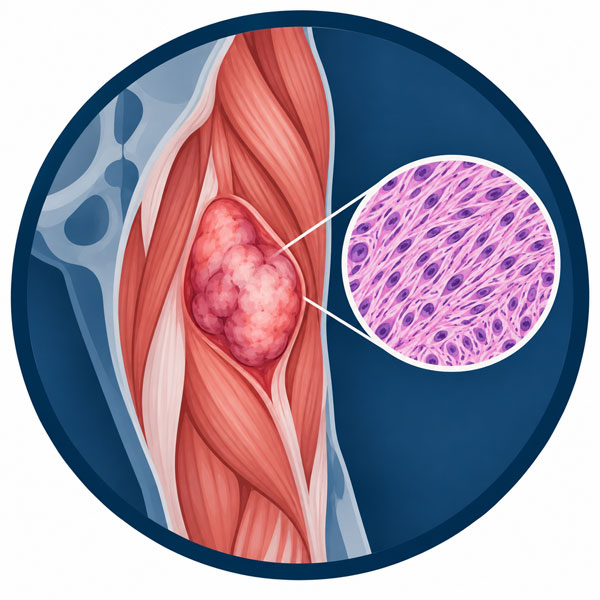
Figure 1. Soft tissue sarcoma of the ankle, illustrating the tumor and the surgical specimen following wide excision.
Doctor Explains
A soft tissue sarcoma does not originate from the skin or the bones. Instead, it develops from the tissues beneath the skin that provide structure and movement to the body. Since these tissues are present almost everywhere, a soft tissue sarcoma can arise in nearly any part of the body.
What Is a Sarcoma?
A sarcoma is a malignant (cancerous) tumor arising from connective tissues.
Unlike more common cancers, sarcomas are relatively uncommon and often require management by a specialized multidisciplinary sarcoma team (MDT). An MDT is a group of healthcare professionals—including orthopaedic oncologists, surgical oncologists, radiologists, pathologists, medical oncologists, radiation oncologists, plastic surgeons, and rehabilitation specialists—who work together to determine the best treatment plan.
Different sarcoma subtypes behave differently. Some grow slowly over many years, while others grow rapidly and may spread (metastasize) if not treated.
How Is Soft Tissue Sarcoma Different From Carcinoma?
Many people are familiar with cancers such as breast, lung, or colon cancer. These are carcinomas, which arise from epithelial cells—the cells that line organs and body surfaces.
Soft tissue sarcomas are different.
Table. Differences between carcinomas and soft tissue sarcomas.
Did You Know?
Although soft tissue sarcomas are rare, they include more than 70 distinct subtypes, each with unique biological behavior, treatment approaches, and prognosis. This is one reason why specialist evaluation is so important.
How Common Is Soft Tissue Sarcoma?
Soft tissue sarcomas are uncommon, accounting for less than 1% of all adult cancers. They can occur at any age but are more frequently diagnosed in adults between 40 and 70 years of age.
Some types are more common in children and adolescents, while others occur almost exclusively in adults.
Because these tumors are rare, many general practitioners and surgeons encounter only a few cases during their careers. Referral to a specialized sarcoma center has been shown to improve diagnostic accuracy and treatment outcomes.
Clinical Pearl
Rarity should never delay referral. A painless, enlarging soft tissue lump may be a benign condition, but it may also represent a sarcoma. When imaging or clinical findings raise suspicion, referral to a specialist sarcoma center before biopsy or surgery offers the best chance of optimal treatment.
Types of Soft Tissue Sarcoma
Soft tissue sarcoma is not a single disease. Instead, it is a group of more than 70 different cancers that arise from different types of connective tissue. Each subtype has its own microscopic appearance, genetic characteristics, preferred location in the body, response to treatment, and long-term outlook.
For patients, the exact subtype identified on the pathology report is important because it helps guide treatment decisions and predict prognosis.
Fortunately, most patients do not need to memorize the names of all these subtypes. What matters most is understanding that your treatment plan is tailored to the specific type of sarcoma you have.
Common Types in Adults
Some of the more frequently encountered adult soft tissue sarcomas include:
- Liposarcoma – develops from fat tissue and often occurs in the thigh or abdomen.
- Leiomyosarcoma – arises from smooth muscle, which is found in blood vessels and internal organs.
- Undifferentiated Pleomorphic Sarcoma (UPS) – one of the most common adult sarcomas, usually occurring in the limbs.
- Synovial Sarcoma – despite its name, it does not arise from joint lining. It commonly affects young adults and often develops near joints.
- Myxofibrosarcoma – tends to occur in older adults and has a higher risk of local recurrence if not completely removed.
- Malignant Peripheral Nerve Sheath Tumor (MPNST) – develops from the covering of peripheral nerves and may occur in patients with neurofibromatosis type 1.
Soft Tissue Sarcomas in Children
Children and adolescents can also develop soft tissue sarcomas, although the types differ from those seen in adults.
Examples include:
- Rhabdomyosarcoma
- Infantile fibrosarcoma
- Synovial sarcoma
- Clear cell sarcoma (rare)
Pediatric sarcomas are managed by specialized pediatric oncology teams because treatment strategies and outcomes differ from adult disease.
Reassurance Box
Receiving a diagnosis of a rare sarcoma subtype can feel overwhelming. Remember that rarity does not mean it is untreatable. Modern pathology, advanced imaging, and multidisciplinary care allow treatment plans to be tailored to the specific characteristics of each tumor.
Table. Common Soft Tissue Sarcoma Subtypes
Why Does the Subtype Matter?
The subtype influences several important aspects of care, including:
- How quickly the tumor is likely to grow.
- Whether it is more likely to spread to other parts of the body.
- The need for chemotherapy or radiotherapy.
- The type of surgery recommended.
- The schedule for long-term follow-up.
Your pathology report, imaging findings, and overall health are all considered together by the multidisciplinary team to create an individualized treatment plan.
What Causes Soft Tissue Sarcoma?
One of the first questions many patients ask after diagnosis is, “Why did this happen to me?” In most cases, there is no single identifiable cause. Unlike some other cancers, soft tissue sarcomas are rarely linked to lifestyle choices, and most people diagnosed with a sarcoma have no known risk factors.
Researchers believe that soft tissue sarcomas develop when genetic changes (mutations) occur within the DNA of a normal cell. DNA contains the instructions that control how cells grow, divide, and repair themselves. When these instructions become abnormal, cells may continue to grow uncontrollably, eventually forming a tumor.
Importantly, these mutations usually occur by chance during a person’s lifetime and are not inherited from parents.
Reassurance Box
Most people with a soft tissue sarcoma have done nothing to cause their disease. Diet, exercise, stress, or minor injuries are not responsible in the vast majority of cases. Feeling guilty or searching for something you “should have done differently” is understandable but rarely reflects reality.
Unknown (Sporadic) Causes
Approximately 90–95% of soft tissue sarcomas occur sporadically, meaning they develop without any identifiable cause.
Scientists believe that random DNA mutations accumulate over time within certain cells. Most of these mutations are harmless, but occasionally they affect genes that regulate cell growth, allowing a tumor to develop.
At present, there is no known way to prevent most soft tissue sarcomas.
Genetic Syndromes
A genetic syndrome is an inherited condition caused by changes in specific genes that increase the risk of developing certain diseases, including some cancers.
Although uncommon, a small proportion of soft tissue sarcomas occur in people with inherited cancer predisposition syndromes.
Examples include:
- Li-Fraumeni syndrome (TP53 mutation)
- Neurofibromatosis type 1 (NF1)
- Familial adenomatous polyposis (Gardner syndrome)
- Hereditary retinoblastoma
- Werner syndrome
- Bloom syndrome
People with these conditions require lifelong medical surveillance because they are at increased risk of developing multiple types of cancer.
Fortunately, most patients with soft tissue sarcoma do not have one of these inherited disorders.
Previous Radiation Therapy
People who have previously received radiotherapy (radiation treatment) for another cancer have a small increased risk of developing a radiation-associated sarcoma many years later.
Radiation-associated sarcomas are uncommon and usually occur:
- More than 5–10 years after radiotherapy
- Within the area that previously received radiation
It is important to remember that the benefits of radiotherapy usually far outweigh this very small long-term risk, and radiation remains an essential part of treatment for many cancers.
Chronic Lymphedema
Lymphedema is long-term swelling caused by impaired drainage of lymphatic fluid.
Rarely, longstanding lymphedema may lead to a highly aggressive sarcoma called lymphangiosarcoma (Stewart-Treves syndrome).
This complication is fortunately very uncommon.
Certain Environmental and Occupational Exposures
Research has suggested associations between some chemicals and specific sarcoma subtypes, although these account for only a very small proportion of cases.
Examples include:
- Vinyl chloride
- Arsenic
- Dioxins
For most patients, no occupational exposure can be identified, and routine environmental exposures are not considered major causes.
Viral Causes
Unlike cancers such as cervical cancer (caused by human papillomavirus, HPV) or liver cancer (associated with hepatitis viruses), most soft tissue sarcomas are not caused by viral infections.
One exception is Kaposi sarcoma, which is associated with Human Herpesvirus 8 (HHV-8) and occurs predominantly in people with weakened immune systems.
Kaposi sarcoma is biologically distinct from the soft tissue sarcomas discussed on this page.
What Does Not Cause Soft Tissue Sarcoma?
Many misconceptions exist regarding the causes of sarcoma. Current scientific evidence does not support many commonly held beliefs.
Soft tissue sarcoma is not caused by:
- Minor injuries or accidental trauma
- A single fall or sports injury
- Massage
- Exercise
- Lifting heavy weights
- Stress
- Mobile phone use
- Wearing tight clothing
- Eating specific foods
- Most routine medications
Sometimes patients notice a lump after an injury. In these situations, the injury usually draws attention to a tumor that was already present, rather than causing it.
Doctor Explains
It is common to hear patients say, “I noticed the lump after I bumped my leg, so the injury must have caused it.” In reality, the injury often acts as a trigger for noticing a lump that had already been growing silently. Scientific studies have not shown that ordinary trauma causes soft tissue sarcoma.
Table 4. Risk Factors for Soft Tissue Sarcoma
Did You Know?
Researchers have identified specific genetic alterations in many sarcoma subtypes. Some of these changes not only help diagnose the tumor but may also guide the use of targeted therapies, a rapidly evolving area of sarcoma treatment.
Signs and Symptoms of Soft Tissue Sarcoma
The symptoms of a soft tissue sarcoma depend on its size, location, and the structures it affects.
One of the greatest challenges is that early soft tissue sarcomas often cause no symptoms at all. Many patients feel completely well and discover a lump accidentally while bathing, exercising, or changing clothes.
As the tumor enlarges, it may begin to press on nearby muscles, nerves, blood vessels, or bones, leading to additional symptoms.
A Painless Lump
The most common first symptom is a painless lump or swelling.
Typically, the lump:
- Gradually increases in size
- Feels firm rather than soft
- May be fixed or less mobile than a lipoma
- Persists for weeks or months
- Does not disappear on its own
Because painless lumps are usually benign, many patients initially assume they have a lipoma (fatty lump), delaying medical attention.
Pain
Contrary to popular belief, pain is not an early feature of most soft tissue sarcomas.
Pain may develop later if the tumor:
- Compresses a nerve
- Invades surrounding muscles
- Presses against bone
- Restricts joint movement
Therefore, the absence of pain should never reassure someone that a growing lump is harmless.
Clinical Pearl
A painless, enlarging lump deserves the same attention as a painful one. Waiting for pain to develop before seeking medical advice may delay diagnosis.
Rapid Increase in Size
A lump that is steadily increasing in size should always be evaluated.
Rapid enlargement may indicate:
- Sarcoma
- Bleeding within a benign tumor
- Infection
- Other uncommon conditions
Although rapid growth does not automatically mean cancer, it should never be ignored.
Deep Versus Superficial Tumors
Soft tissue sarcomas may occur:
- Superficially, just beneath the skin
- Deep, beneath the muscle fascia (the tough layer surrounding muscles)
Deep tumors often become quite large before they are noticed because they remain hidden beneath normal muscle.
Symptoms Caused by Pressure on Nearby Structures
Depending on where the tumor develops, patients may experience:
- Tingling or numbness (nerve compression)
- Weakness of the limb
- Swelling due to pressure on veins or lymphatic vessels
- Difficulty walking
- Reduced joint movement
- A feeling of heaviness in the affected limb
These symptoms are caused by pressure effects rather than the cancer itself.
Symptoms in Different Parts of the Body
Arm or Leg
- Lump
- Swelling
- Reduced movement
- Weakness
- Difficulty using the limb
Abdominal or Retroperitoneal Sarcoma
Tumors in the abdomen may become very large before causing symptoms because there is more space for them to grow.
Possible symptoms include:
- Abdominal swelling
- Feeling full quickly
- Constipation
- Back pain
- Unexplained weight loss
Symptoms in Children
Children often present differently from adults.
Parents may notice:
- A painless swelling
- A limp
- Reduced use of an arm or leg
- Persistent swelling mistaken for a sports injury
Any lump that persists beyond a few weeks or continues to enlarge should be assessed by a doctor.
Patient Tip
If you notice a lump, taking a photograph with a ruler beside it every few weeks can help document whether it is increasing in size. However, photographs should never replace medical evaluation if the lump is growing or has concerning features.
When Should You Worry About a Lump?
Fortunately, most soft tissue lumps are benign. Common examples include lipomas, cysts, and benign fibrous tumors.
However, some features make a lump more likely to require specialist assessment.
The “5 cm Rule”
One of the most useful clinical guidelines is the 5 cm rule.
A soft tissue lump larger than 5 cm (approximately the size of a golf ball) should be considered suspicious until proven otherwise.
Smaller sarcomas can occur, but larger size increases concern.
Other Warning Signs
A lump should be evaluated promptly if it is:
- Increasing in size
- Larger than 5 cm
- Located deep beneath the muscle
- Painful without another explanation
- Reappearing after previous removal
- Associated with weakness or numbness
These features do not necessarily mean cancer, but they warrant further assessment, usually with an MRI and, if indicated, a biopsy.
Reassurance Box
Most patients referred to a sarcoma clinic do not ultimately have a sarcoma. Referral is recommended because imaging and, when necessary, a biopsy are the only reliable ways to distinguish a benign lump from a malignant one. Seeking specialist evaluation early helps avoid delays, unnecessary surgery, and provides peace of mind regardless of the final diagnosis.
How Is Soft Tissue Sarcoma Diagnosed?
Diagnosing a soft tissue sarcoma involves more than simply identifying a lump. The goal is to determine whether the lump is benign (non-cancerous) or malignant (cancerous), identify the exact subtype of sarcoma, assess whether it has spread, and plan the safest treatment.
A diagnosis should ideally be made before any surgery is performed. Removing a lump without appropriate imaging and biopsy can complicate future treatment and may increase the risk of local recurrence.
Most patients undergo evaluation by a multidisciplinary sarcoma team (MDT), where specialists review the clinical findings, imaging studies, biopsy results, and treatment options together.
Doctor Explains
Diagnosing a soft tissue sarcoma is similar to solving a puzzle. No single test provides all the answers. Your symptoms, physical examination, MRI scans, biopsy findings, and pathology results are interpreted together before treatment decisions are made.
Clinical Assessment
The diagnostic process begins with a detailed medical history and physical examination.
Your doctor may ask:
- When did you first notice the lump?
- Has it increased in size?
- Is it painful?
- Has it affected movement or strength?
- Have you had previous surgery or radiotherapy in the area?
- Is there a family history of cancer or inherited genetic conditions?
During the examination, the doctor assesses:
- Size of the lump
- Location (superficial or deep)
- Consistency (soft, firm, or hard)
- Mobility
- Relationship to nearby muscles and joints
- Skin changes
- Neurovascular function (nerves and blood vessels supplying the limb)
Although examination provides valuable clues, it cannot reliably distinguish a benign tumor from a sarcoma.
Magnetic Resonance Imaging (MRI)
Magnetic Resonance Imaging (MRI) uses a powerful magnetic field and radio waves to produce highly detailed images of soft tissues. It is the preferred imaging test for evaluating most suspected soft tissue sarcomas.
MRI helps determine:
- The exact size of the tumor
- Its relationship to muscles, tendons, nerves, and blood vessels
- Whether it lies above or below the muscle fascia
- Internal characteristics such as fat, fluid, necrosis (dead tissue), or bleeding
- Whether surrounding tissues are involved
MRI also helps the surgeon plan the safest biopsy route and, later, the definitive operation.
Importantly, MRI should ideally be performed before a biopsy, as a biopsy can cause temporary bleeding and swelling that may alter imaging appearances.
Clinical Pearl
MRI before biopsy is considered best practice for most suspected soft tissue sarcomas. It provides a clear roadmap for both diagnosis and surgery while minimizing the risk of an improperly placed biopsy tract.
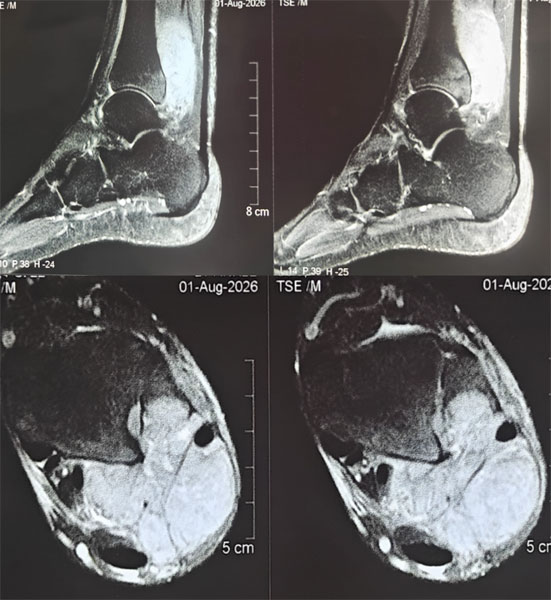
Figure 2. MRI evaluation of a soft tissue sarcoma around the ankle, showing the tumor’s location and its relationship to surrounding tissues.
Is Ultrasound Enough?
Ultrasound uses sound waves to examine soft tissues and is often the first imaging test ordered for a superficial lump.
Ultrasound can identify whether a lump is:
- Solid or cystic (fluid-filled)
- Superficial or deep
- Associated with increased blood flow
However, ultrasound has important limitations.
It cannot reliably distinguish all benign tumors from sarcomas and provides limited information about deep tissue involvement. If ultrasound raises concern or the lump has suspicious clinical features, an MRI is usually recommended.
Computed Tomography (CT)
Computed Tomography (CT) uses X-rays to create detailed cross-sectional images of the body.
Although MRI is preferred for evaluating the primary tumor, CT has several important roles:
- Assessing tumors in the abdomen or retroperitoneum
- Evaluating bone involvement
- Planning complex surgery
- Detecting spread to the lungs
Because the lungs are the most common site of metastasis (spread) for many soft tissue sarcomas, a CT scan of the chest is routinely performed before treatment.
Positron Emission Tomography (PET-CT)
A PET-CT scan combines CT imaging with a radioactive glucose tracer to identify areas of increased metabolic activity.
PET-CT is not required for every patient but may be useful in selected situations, such as:
- Certain aggressive sarcoma subtypes
- Suspected recurrent disease
- Assessing response to chemotherapy
- Clarifying uncertain findings on conventional imaging
Your specialist will decide whether PET-CT is appropriate based on the type and stage of your tumor.
Why Is a Biopsy Necessary?
A biopsy is a procedure in which a small sample of tissue is removed for microscopic examination.
It is the only reliable way to confirm the diagnosis of soft tissue sarcoma.
Although imaging can strongly suggest a sarcoma, treatment should not begin until the diagnosis has been confirmed by pathology, except in very rare circumstances.
The biopsy answers several important questions:
- Is the lump benign or malignant?
- What type of sarcoma is it?
- What grade is the tumor?
- Are there specific molecular or genetic features that influence treatment?
Core Needle Biopsy
The preferred biopsy for most soft tissue sarcomas is a core needle biopsy.
Using local anaesthesia and image guidance (usually ultrasound or CT), a specially designed needle removes several small cylinders of tissue from the tumor.
Advantages include:
- High diagnostic accuracy
- Small incision
- Low complication rate
- Minimal discomfort
- Faster recovery
- Preservation of surgical options
Incisional Biopsy
Occasionally, when a core needle biopsy is inconclusive or technically difficult, an incisional biopsy may be recommended.
During this procedure, a small incision is made to obtain a larger tissue sample.
The biopsy incision must be carefully planned because it is usually removed during the definitive tumor surgery.
Doctor Explains
A biopsy should never compromise future surgery. For this reason, the biopsy tract is deliberately placed so that it can be completely removed when the tumor is excised. This is one reason why biopsies are best performed by, or in consultation with, a specialist sarcoma team.
Does a Biopsy Spread Cancer?
This is one of the most common concerns among patients.
Current scientific evidence shows that properly performed image-guided core needle biopsies do not increase the risk of cancer spreading throughout the body.
The biopsy tract is routinely removed during definitive surgery as an additional safety measure.
The benefits of obtaining an accurate diagnosis far outweigh the very small risks associated with biopsy.
Reassurance Box
It is natural to worry that a biopsy might “disturb” the tumor. Fortunately, modern image-guided biopsies are safe, highly accurate, and are considered an essential part of sarcoma care worldwide. An accurate diagnosis is the foundation of successful treatment.
Understanding the Pathology Report
The biopsy sample is examined by a pathologist—a doctor who specializes in diagnosing disease by studying tissues under the microscope.
The pathology report typically includes:
- Exact sarcoma subtype
- Tumor grade
- Microscopic appearance
- Immunohistochemistry (special laboratory staining)
- Molecular or genetic testing (when indicated)
This information helps determine the most appropriate treatment.
Tumor Grade
Tumor grade describes how aggressive the cancer cells appear under the microscope.
It is not the same as tumor stage.
In general:
- Low-grade tumors resemble normal tissue more closely and tend to grow slowly.
- Intermediate-grade tumors have features between low and high grade.
- High-grade tumors appear more abnormal, grow more rapidly, and have a greater risk of spreading.
Grade helps predict the biological behavior of the tumor and influences decisions regarding chemotherapy, radiotherapy, and follow-up.
Tumor Stage
Tumor stage describes how far the cancer has spread within the body.
Staging considers several factors, including:
- Tumor size
- Tumor grade
- Depth
- Lymph node involvement
- Distant metastasis (spread to other organs, most commonly the lungs)
Staging investigations usually include:
- MRI of the primary tumor
- CT scan of the chest
- Additional imaging when clinically indicated
Table. Tumor Grade vs Tumor Stage
The Role of the Multidisciplinary Team (MDT)
Soft tissue sarcoma is best managed by a multidisciplinary team, where specialists from different disciplines review each case together before treatment begins.
The MDT may include:
- Orthopaedic oncologist
- Surgical oncologist
- Medical oncologist
- Radiation oncologist
- Musculoskeletal radiologist
- Sarcoma pathologist
- Plastic and reconstructive surgeon
- Physiotherapist
- Occupational therapist
- Oncology nurse specialist
This collaborative approach ensures that treatment recommendations are individualized and based on the best available evidence.
Clinical Pearl
Numerous studies have shown that patients treated at specialist sarcoma centres are more likely to receive an accurate diagnosis, appropriate surgery, and coordinated multidisciplinary care, leading to improved outcomes.
Overview of Treatment
Treatment depends on several factors, including:
- Sarcoma subtype
- Tumor grade
- Tumor size
- Tumor location
- Stage of disease
- Overall health of the patient
For most patients, treatment involves more than one specialty, even if only surgery is ultimately required.
The primary treatment options include:
- Surgery – the main treatment for most localized soft tissue sarcomas.
- Radiotherapy – high-energy radiation used before or after surgery to reduce the risk of local recurrence.
- Chemotherapy – anti-cancer medicines used for selected sarcoma subtypes or advanced disease.
- Targeted therapy – medicines that attack specific molecular abnormalities in certain rare sarcoma types.
- Rehabilitation – physiotherapy and occupational therapy to restore strength, mobility, and function after treatment.
The exact combination varies considerably from one patient to another.
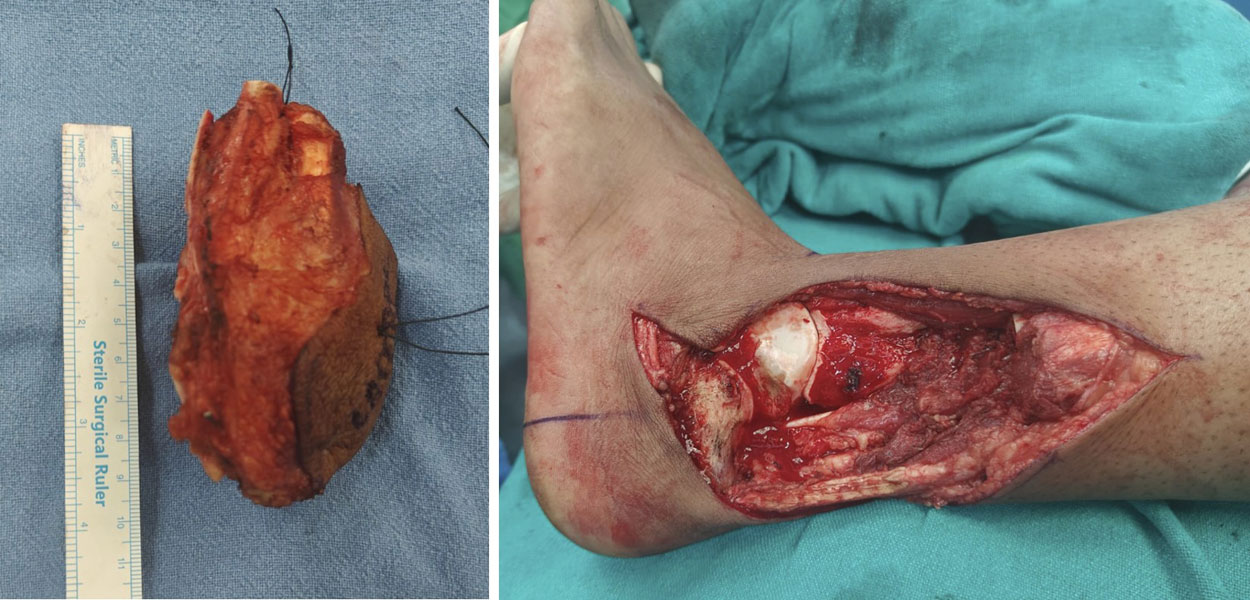
Figure 3. Wide surgical resection of a soft tissue sarcoma around the ankle, resulting in a soft tissue defect after complete tumor removal.
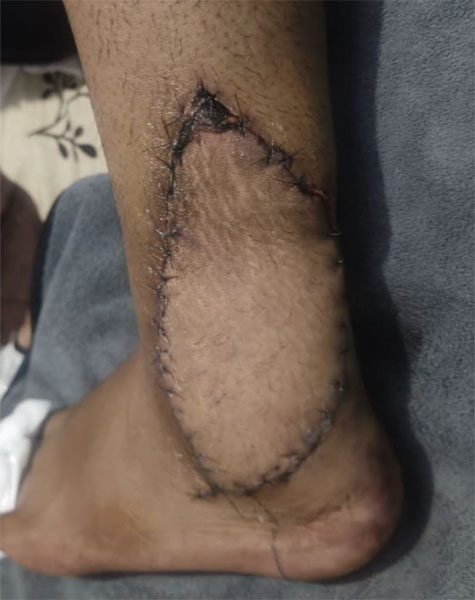
Figure 4. Flap reconstruction after soft tissue sarcoma surgery, providing coverage of the surgical defect and helping preserve the function of the ankle.
Doctor Insight
Two patients with “soft tissue sarcoma” may receive completely different treatments because the subtype, grade, location, and stage of their tumors are different. Personalized treatment planning is one of the defining features of modern sarcoma care.
Reassurance Box
A diagnosis of soft tissue sarcoma does not automatically mean chemotherapy, radiotherapy, or amputation. Many patients are successfully treated with limb-sparing surgery, and treatment plans are carefully tailored to maximize cancer control while preserving function and quality of life.
For a detailed discussion of surgical techniques, radiotherapy, chemotherapy, reconstruction, rehabilitation, and follow-up care, please see: Soft Tissue Sarcoma Treatment.
Video
- How Soft Tissue Sarcoma Is Diagnosed: MRI, Biopsy and MDT Explained (3–4 minutes).
When Should You Seek a Second Opinion?
Seeking a second opinion is a common and reasonable part of cancer care. It does not mean that you distrust your doctor. Instead, it provides an opportunity to confirm the diagnosis, review treatment options, and ensure that your care aligns with current evidence and international guidelines.
A second opinion may be particularly valuable if:
- The diagnosis is uncertain.
- The biopsy results are inconclusive.
- Major surgery has been recommended.
- Amputation has been suggested.
- The tumor has recurred.
- The pathology report shows a rare sarcoma subtype.
- The lump was removed unexpectedly before a diagnosis (“whoops surgery”).
- You wish to explore additional treatment options or clinical trials.
Ideally, the second opinion should be obtained before treatment begins, although it can still be helpful later in the treatment journey.
Doctor Insight
Specialist sarcoma centres review hundreds of cases every year. Their experience, combined with multidisciplinary discussion, can provide valuable insights for complex or uncommon tumors.
Frequently Asked Questions (FAQs)
Is every soft tissue lump cancer?
No. Most soft tissue lumps are benign conditions such as lipomas, cysts, or benign fibrous tumors. However, any lump that is enlarging, larger than 5 cm, deep, or persistent should be evaluated.
Can soft tissue sarcoma be painful?
Yes, but many sarcomas are painless in the early stages. Pain usually develops when the tumor compresses nearby nerves, muscles, or other structures.
Can MRI diagnose soft tissue sarcoma?
MRI is the best imaging test for evaluating most soft tissue masses, but it cannot confirm the diagnosis. A biopsy is required to determine the exact tumor type.
Does a biopsy spread cancer?
No. Modern image-guided core needle biopsies are safe and are considered the international standard for diagnosing soft tissue sarcoma.
Will I need chemotherapy?
Not necessarily. Chemotherapy is recommended only for selected sarcoma subtypes and stages. Many patients are treated with surgery alone or surgery combined with radiotherapy.
Will I lose my arm or leg?
In most cases, no. Advances in limb salvage surgery allow preservation of the affected limb in the majority of patients.
Can soft tissue sarcoma come back?
Yes. Some sarcomas may recur locally or spread to other organs, which is why regular follow-up is essential.
Is soft tissue sarcoma hereditary?
Most soft tissue sarcomas are not inherited. Only a small proportion occur as part of inherited genetic syndromes.
Can children develop soft tissue sarcoma?
Yes. Some sarcoma subtypes occur more commonly in children and adolescents and are managed by specialized pediatric oncology teams.
What questions should I ask my doctor?
Consider asking:
- What type of sarcoma do I have?
- Has it spread?
- Will I need surgery?
- Will I need radiotherapy or chemotherapy?
- Can my limb be preserved?
- Should I seek a second opinion?
- What is the expected recovery time?
- How often will I need follow-up?
Medical Disclaimer
The information provided on this page is intended for educational purposes only and should not replace professional medical advice, diagnosis, or treatment. Every patient and every sarcoma is unique. If you have a persistent soft tissue lump or have been diagnosed with a soft tissue sarcoma, consult an orthopaedic oncologist or specialist sarcoma multidisciplinary team for individualized evaluation and treatment.
References
- NCCN Clinical Practice Guidelines in Oncology: Soft Tissue Sarcoma. National Comprehensive Cancer Network.
- Casali PG, Abecassis N, Bauer S, et al. Soft Tissue and Visceral Sarcomas: ESMO–EURACAN–GENTURIS Clinical Practice Guidelines. Annals of Oncology. 2021.
- WHO Classification of Tumours Editorial Board. WHO Classification of Soft Tissue and Bone Tumours. 5th Edition. IARC; 2020.
- Hayes, A.J., Nixon, I.F., Strauss, D.C. et al. UK guidelines for the management of soft tissue sarcomas. Br J Cancer 132, 11–31 (2025).
- Gronchi A, Miah AB, Dei Tos AP, et al. Soft Tissue and Visceral Sarcomas: ESMO Clinical Practice Guideline Update. Annals of Oncology. 2021.
- Enneking WF, Spanier SS, Goodman MA. The surgical staging of musculoskeletal sarcoma. J Bone Joint Surg Am.
- Singer, S., Moraco, N., Antonescu, C., & Brennan, M. (2014). Lessons Learned From the Study of 10,000 Patients With Soft Tissue Sarcoma. Annals of Surgery, 260(3), 416–422.
- Grimer, Robert, Judson, Ian, Peake, David, Seddon, Beatrice. Guidelines for the Management of Soft Tissue Sarcomas. Sarcoma, 2010, 506182, 15 pages, 2010.
 +91 93558 33005