Quick Summary
Biological Reconstruction at a Glance
- Biological reconstruction restores bone after tumor removal using living or processed biological tissue.
- It is one of the major options for limb salvage surgery, an approach that removes the tumor while preserving the arm or leg whenever safely possible.
- No single reconstruction method is ideal for every patient. The choice depends on factors such as age, tumor type, location, expected activity level, and the amount of bone removed.
- Healing takes longer than with artificial implants because the bone must gradually unite and remodel.
- When carefully selected, biological reconstruction can provide durable, long-term function, particularly in children and young adults.
What Is Biological Reconstruction?
Losing a segment of bone because of a tumor can be overwhelming. One of the first questions many patients ask is:
“How will my bone be replaced after the tumor is removed?”
In many cases, the answer is biological reconstruction.
Biological reconstruction is a method of rebuilding the skeleton after removal of a bone tumor by using biological tissue—either the patient’s own bone or specially processed donor bone—to replace the missing segment. Unlike a completely artificial metal replacement, biological reconstruction aims to restore a living, functioning skeleton that has the potential to heal, remodel, and become integrated with the surrounding bone.
The procedure is most commonly performed as part of limb salvage surgery, where the cancer is removed while preserving the affected arm or leg instead of performing an amputation. Advances in imaging, chemotherapy, surgical techniques, and reconstructive methods now allow limb salvage to be safely performed in the majority of patients with primary bone tumors.
Doctor Explains
Biological reconstruction does not necessarily mean that no metal is used.
In fact, many biological reconstructions require plates, screws, or intramedullary nails to stabilize the graft while healing occurs. The term biological refers to how the missing bone is replaced, not how it is fixed in place.
How Is Biological Reconstruction Different from an Artificial Implant?
After a bone tumor has been removed, surgeons generally have two broad options to restore the skeleton:
- Biological reconstruction, which uses bone tissue.
- Endoprosthetic reconstruction (megaprosthesis), which uses a custom-made metallic implant.
Both approaches have excellent indications, and neither is universally superior. The best choice depends on the individual patient rather than the diagnosis alone.
Biological Reconstruction vs. Megaprosthesis
A more detailed comparison is provided later in this guide.
Clinical Pearl
Biological reconstruction is not chosen simply because a patient is young, nor is a megaprosthesis selected simply because someone is older. The decision is individualized after carefully considering tumor characteristics, remaining bone, expected function, and long-term goals.
How Does Biological Reconstruction Work?
The principle behind biological reconstruction is remarkably similar to how a broken bone heals.
When a fracture occurs, the body gradually repairs the damaged bone by producing new bone tissue. Biological reconstruction uses the same natural healing processes, but on a much larger scale.
After the tumor has been removed, the surgeon reconstructs the missing bone using one of several biological techniques. Over time, the reconstruction undergoes:
- Bone union, where the graft joins with the patient’s own bone.
- Bone remodeling, where the skeleton continuously reshapes itself in response to everyday forces.
- Graft incorporation, a gradual process in which the transplanted bone becomes integrated with the surrounding skeleton.
Because these biological processes require time, recovery after biological reconstruction is generally slower than after reconstruction with an artificial implant. However, successful healing may provide a durable reconstruction that can function for many years.
Did You Know?
Bone is one of the few tissues in the human body that has the remarkable ability to repair itself. Biological reconstruction takes advantage of this natural healing capacity by providing a framework that gradually becomes integrated with the patient’s own skeleton.
Doctor Insight
Many patients are surprised to learn that biological reconstruction is a journey rather than a single operation. While the reconstruction is completed during surgery, the healing process continues for months—and sometimes years—as the bone strengthens and adapts to everyday activities.
Reassurance Box
It is normal to feel concerned about the idea of replacing part of your bone. Remember that biological reconstruction has been used successfully for decades in specialized orthopaedic oncology centers around the world. Your surgical team carefully selects the reconstruction method that offers the best balance between cancer control, function, and long-term durability for your individual situation.
Why Is Biological Reconstruction Needed?
The primary goal of bone tumor surgery is to remove the entire tumor safely while minimizing the risk of the cancer returning. To achieve this, surgeons often need to remove not only the tumor but also a surrounding margin of healthy bone.
Although this is essential for successful cancer treatment, it leaves behind a bone defect—a gap where the diseased bone once existed.
Small bone defects may heal naturally or be filled with bone grafts. However, larger defects created after removal of malignant bone tumors are too extensive to heal on their own. Without reconstruction, the affected limb would be unable to support normal movement or body weight.
Biological reconstruction restores this missing segment of bone, allowing the limb to regain stability, strength, and function while preserving as much of the patient’s own anatomy as possible.
Illustration description: A simplified diagram showing a normal long bone, tumor resection with adequate margins, and the resulting segmental bone defect requiring reconstruction.
Goals of Biological Reconstruction
The purpose of biological reconstruction extends far beyond simply filling a gap in the bone. A successful reconstruction aims to restore both the structure and function of the limb.
The major goals include:
- Achieving complete removal of the tumor with safe surgical margins.
- Preserving the affected limb whenever oncologically appropriate.
- Restoring bone continuity and stability.
- Allowing the patient to return to daily activities with good function.
- Minimizing long-term disability.
- Providing a durable reconstruction that can withstand years of normal use.
- Preserving future reconstructive options if additional surgery is ever required.
Doctor Explains
Limb salvage surgery is a cancer operation in which the tumor is removed while preserving the arm or leg whenever it is safe to do so. It combines cancer surgery with reconstructive surgery to restore function after the diseased bone has been removed.
Doctor Insight
The reconstruction is not performed because the bone is “weak”; it is performed because a large portion of the bone has been intentionally removed to completely eliminate the tumor. Rebuilding the skeleton is therefore an essential part of successful limb salvage surgery.
Who Is a Candidate for Biological Reconstruction?
Not every patient with a bone tumor requires—or benefits from—biological reconstruction. Choosing the most appropriate reconstruction is a highly individualized decision made by a multidisciplinary team, which includes orthopaedic oncologists, medical oncologists, radiologists, pathologists, and rehabilitation specialists.
Several factors influence whether biological reconstruction is the best option.
Patient-related factors
The patient’s age, overall health, expected activity level, occupation, and ability to participate in rehabilitation all play an important role. Younger patients often have greater healing potential, although biological reconstruction can also be appropriate for carefully selected older adults.
Tumor-related factors
The type of tumor, its grade (how aggressive it is), location, size, and response to chemotherapy help determine the most suitable reconstruction. Tumors involving a joint may require a different approach from those located in the middle portion of a long bone.
Bone-related factors
The amount of healthy bone remaining after tumor removal is equally important. Successful biological reconstruction depends on having sufficient bone to securely attach and support the reconstruction while healing occurs.
Factors That Influence the Choice of Biological Reconstruction
Patient Tip
It is common for two patients with the same diagnosis to receive completely different reconstructions. This does not mean one treatment is better than the other. Your surgeon recommends the option that best matches your age, tumor characteristics, lifestyle, and long-term functional goals.
Types of Biological Reconstruction
Once a bone tumor has been removed, the surgeon must decide how best to rebuild the missing segment of bone. There is no single technique that is suitable for every patient. Instead, orthopaedic oncologists choose from several biological reconstruction methods based on the patient’s age, tumor location, size of the bone defect, involvement of nearby joints, expected activity level, and long-term goals.
Some techniques use the patient’s own bone, while others use donor bone or specially treated bone that has been removed during surgery. Each method has unique advantages, limitations, and healing characteristics.
Understanding these options can help patients and families participate more confidently in discussions with their surgical team.
Doctor Explains
A bone graft is a piece of bone used to repair or replace missing bone. It may come from:
- Your own body (autograft),
- A deceased donor (allograft), or
- Your own tumor-bearing bone after special treatment to destroy all cancer cells (recycled autograft).
Each option has specific indications, and the choice depends on what is safest and most appropriate for your individual situation.
Autograft Reconstruction
An autograft is bone taken from another part of the patient’s own body and used to reconstruct the bone defect created after tumor removal.
Because the graft belongs to the patient, it contains living tissue and is naturally compatible with the immune system. There is no risk of rejection, and the graft has excellent biological healing potential.
Autografts are particularly useful for small to moderate bone defects, although they are usually insufficient for replacing very large segments of bone on their own.
Common donor sites include:
- Fibula (the smaller bone of the leg)
- Iliac crest (part of the pelvic bone)
- Rib (selected situations)
Advantages
- Excellent biological compatibility.
- No risk of disease transmission.
- Faster biological incorporation than donor bone.
- Good long-term durability.
Limitations
- Limited quantity of available bone.
- Additional surgical incision is required.
- Possible pain or complications at the donor site.
- Not suitable for reconstructing very large defects alone.
Clinical Pearl
Autografts are often considered the gold standard for biological healing, but their use is limited by the amount of bone that can be safely harvested without causing significant problems at the donor site.
Allograft Reconstruction
An allograft is bone obtained from a deceased human donor through a certified bone bank.
Before use, donor bone undergoes extensive screening, processing, sterilization, and storage to ensure safety. The graft acts as a biological scaffold, allowing the patient’s own bone to gradually grow into it over time.
Unlike an organ transplant, an allograft does not require lifelong immunosuppressive medication because the processed bone contains very few living cells capable of triggering immune rejection.
Allografts are particularly useful for reconstructing large bone defects after tumor removal, especially when preserving normal anatomy is important.
Advantages
- Available in larger sizes.
- Can reconstruct extensive bone defects.
- Preserves normal limb anatomy.
- Avoids donor-site surgery.
Limitations
- Healing is generally slower than with autografts.
- Small risk of nonunion, fracture, or infection.
- Availability depends on bone bank resources.
Did You Know?
Modern bone banks follow strict screening and sterilization protocols. The risk of transmitting an infection through a processed allograft is extremely low, making donor bone a safe option when used appropriately.
Vascularized Fibular Graft
A vascularized fibular graft is one of the most sophisticated forms of biological reconstruction.
In this procedure, the fibula—the smaller of the two bones in the lower leg—is transferred to the site of the bone defect together with its artery and vein. Using microsurgery, these blood vessels are connected to blood vessels near the reconstruction site, restoring blood flow to the transplanted bone.
Because the graft remains alive, it has the ability to:
- Heal more rapidly.
- Remodel over time.
- Become stronger with continued use.
- Repair minor stress injuries.
Vascularized fibular grafts are particularly valuable in:
- Children.
- Young adults.
- Large intercalary defects.
- Revision surgery after failed reconstruction.
- Patients expected to live for many years.
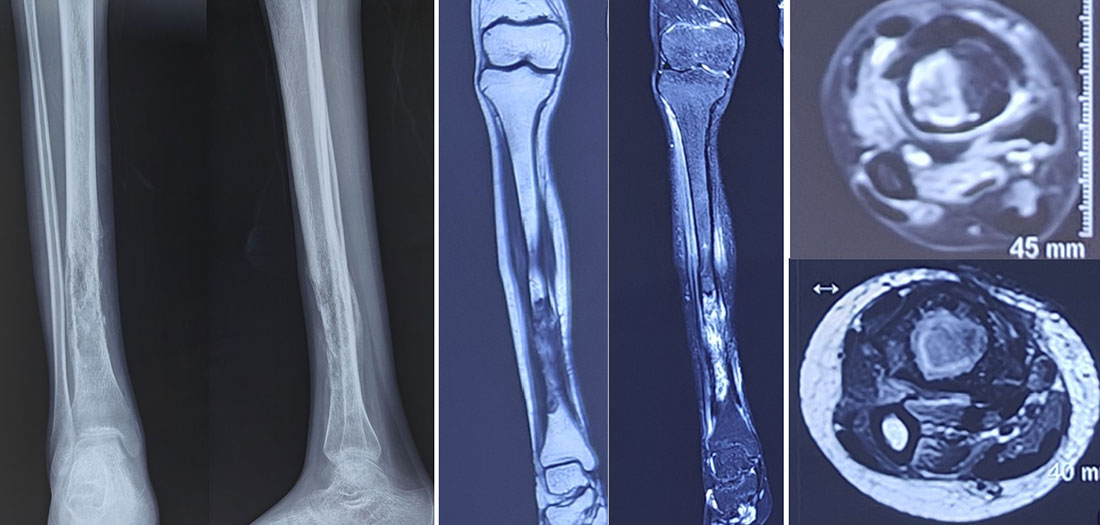
Figure 1A. Osteosarcoma of the tibia showing the bone tumor and its extent on X-ray and MRI.
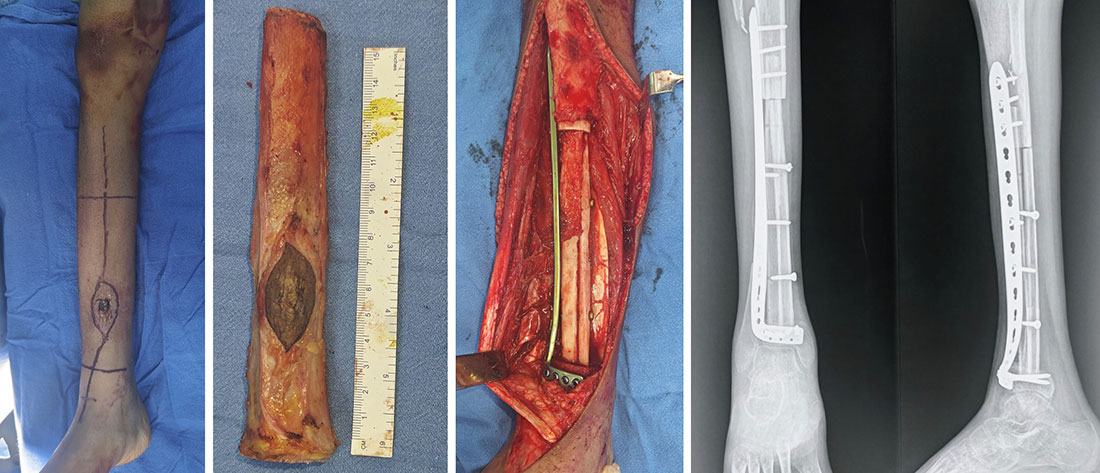
Figure 1B. Wide resection of the tibial tumor followed by biological reconstruction using a vascularized fibular graft and internal fixation.
Advantages
- Living bone with its own blood supply.
- Faster biological healing.
- Excellent long-term remodeling.
- Greater resistance to infection than dead bone grafts.
Limitations
- Technically demanding.
- Longer surgery.
- Requires microsurgical expertise.
- Initial graft is relatively thin and requires time to strengthen.
Doctor Insight
Although the transplanted fibula is initially much thinner than the bone it replaces, it gradually becomes thicker in response to normal mechanical loading—a remarkable example of the body’s ability to adapt and remodel living bone.
Non-Vascularized Fibular Graft
A non-vascularized fibular graft also uses the patient’s own fibula but without transferring its blood supply.
Instead, the transplanted bone gradually develops a new blood supply from the surrounding tissues after surgery.
This technique is simpler than vascularized fibular transfer and can be highly successful for carefully selected patients with smaller bone defects.
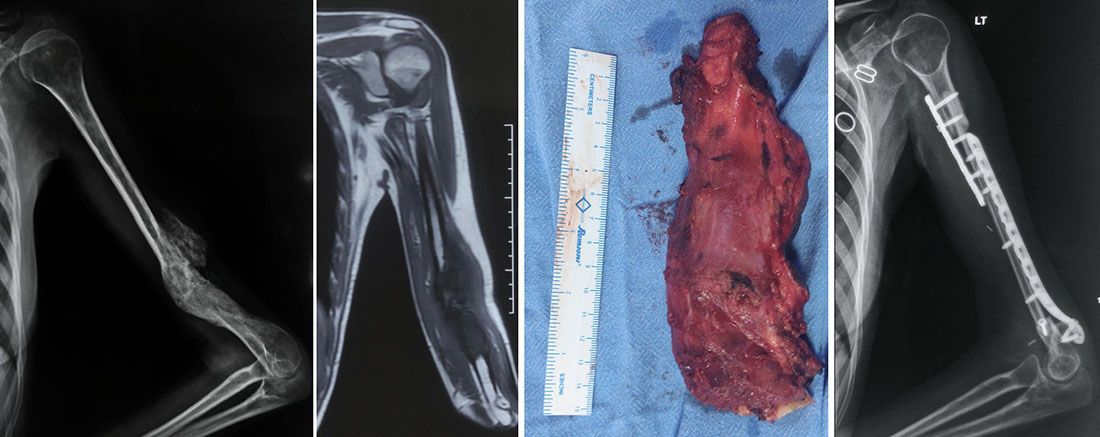
Figure 2. Ewing sarcoma of the humerus treated with wide tumor resection and biological reconstruction using a non-vascularized fibular graft.
Advantages
- Simpler operation.
- No microsurgery required.
- Excellent option for selected defects.
- Good long-term healing.
Limitations
- Slower incorporation.
- Limited use in very large defects.
- Higher risk of delayed union compared with vascularized grafts.
Extracorporeal Irradiated Autograft
One of the most fascinating biological reconstruction techniques involves reusing the patient’s own bone.
After the tumor-bearing bone is removed, it is transported outside the operating room under sterile conditions and treated with a very high dose of radiation (extracorporeal irradiation). This destroys all remaining tumor cells while preserving much of the bone’s natural structure.
The sterilized bone is then reimplanted into its original position and fixed using plates, screws, or intramedullary nails.
Because the reconstructed bone is anatomically identical to the removed segment, this technique provides an excellent fit and preserves many normal ligament and tendon attachments.
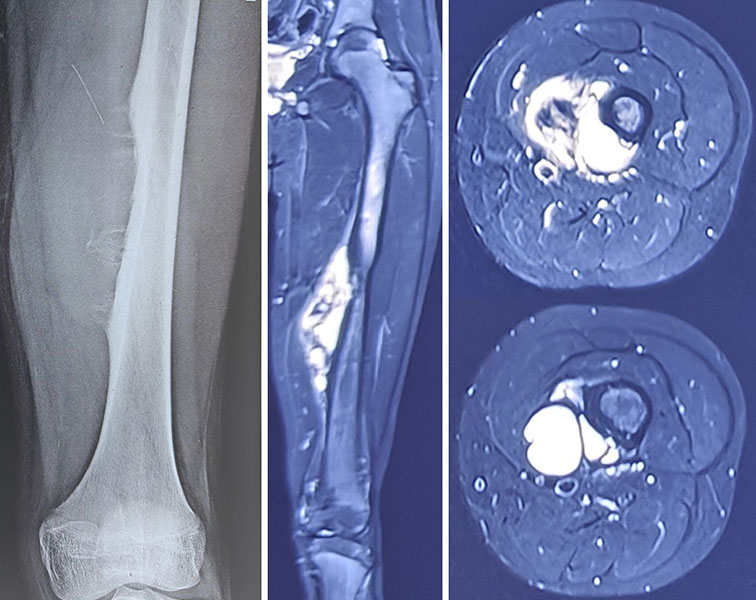
Figure 3A. Ewing sarcoma of the femur with the tumor identified on X-ray and MRI before limb-salvage surgery.
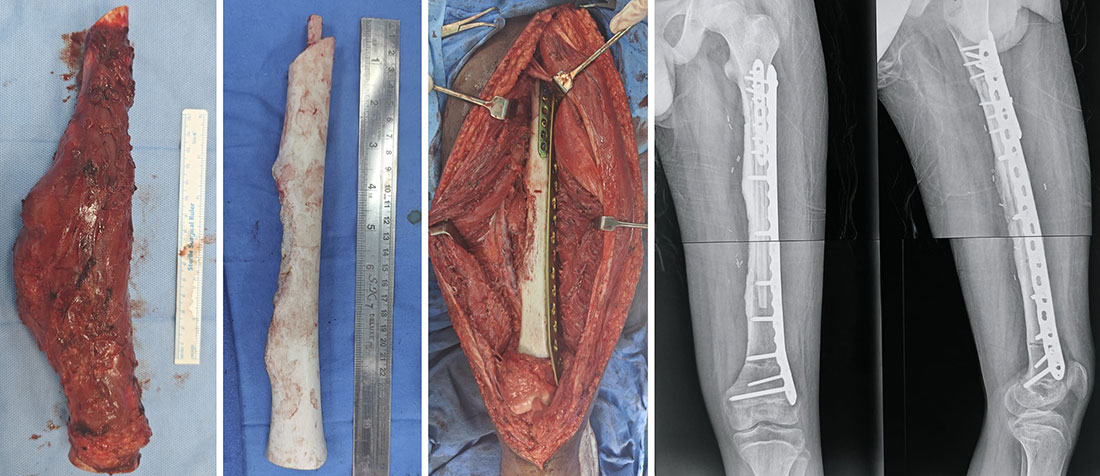
Figure 3B. The tumor-bearing bone was widely removed, sterilized with high-dose radiation, and reimplanted for biological reconstruction, with good bone incorporation.
Advantages
- Perfect anatomical match.
- Preserves patient’s own bone.
- No donor-site morbidity.
- Cost-effective in appropriate settings.
Limitations
- Healing may be prolonged.
- Risk of nonunion and graft fracture.
- Not suitable for every tumor.
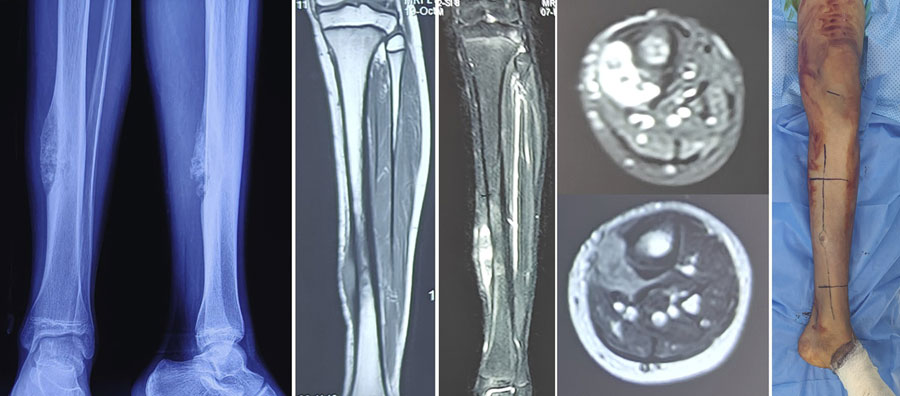
Figure 4A. Osteosarcoma involving the shaft of the tibia, assessed with X-ray and MRI before surgery.
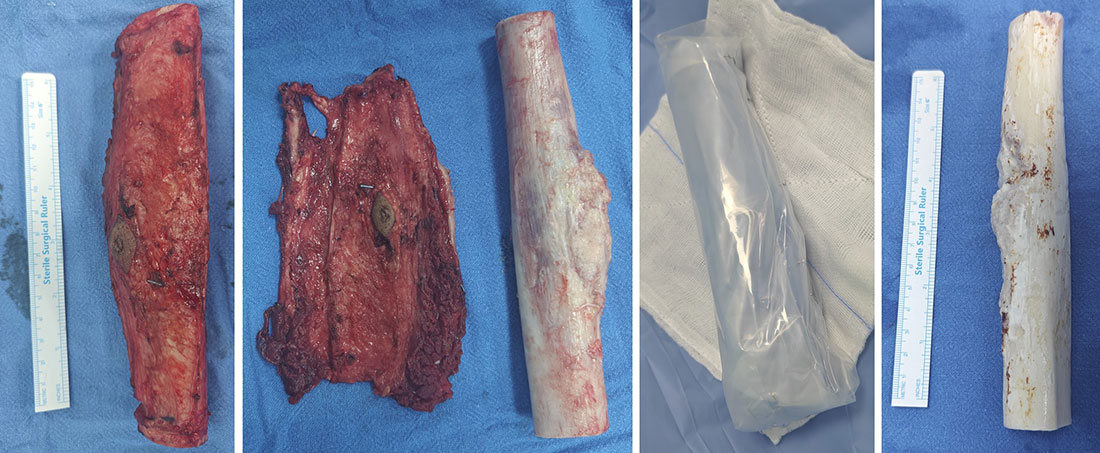
Figure 4B. Wide resection of the tibial tumor with clearance of the surrounding soft tissues, followed by sterilization of the removed bone with high-dose radiation.
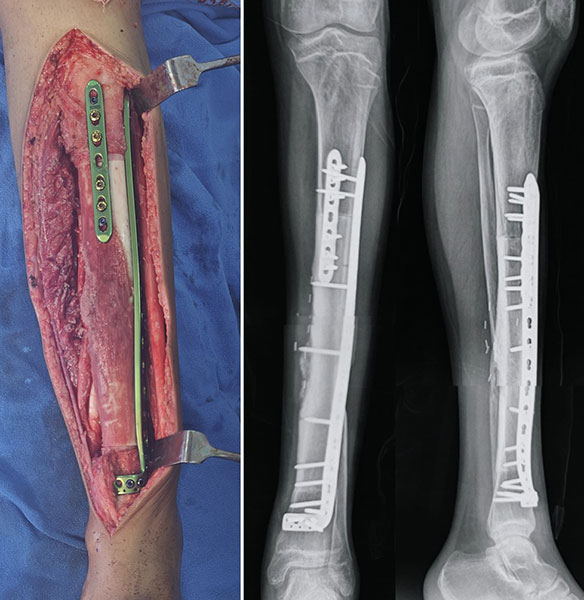
Figure 4C. Reimplantation of the sterilized bone segment with secure fixation using metallic implants for biological reconstruction.
Clinical Pearl
Extracorporeal irradiated autografts combine the advantages of an exact anatomical fit with biological reconstruction, making them particularly useful for selected intercalary and pelvic reconstructions in experienced centers.
Liquid Nitrogen-treated Autograft
Instead of using radiation, some surgeons sterilize the removed bone by exposing it to liquid nitrogen, an extremely cold substance with a temperature of approximately −196°C.
The rapid freezing destroys tumor cells while preserving many of the bone’s structural proteins.
After thawing, the bone is reimplanted into the patient.
This method has gained popularity in several specialized centers because of its simplicity and lower equipment requirements.
Advantages
- Excellent anatomical fit.
- Preserves patient’s own bone.
- Relatively simple processing.
- Cost-effective.
Limitations
- Risk of delayed healing.
- Possibility of graft fracture.
- Limited worldwide availability.
Pasteurized Autograft
Pasteurization uses controlled heat (approximately 60–65°C) to eliminate tumor cells while preserving much of the bone’s structural integrity.
After treatment, the patient’s own bone is reimplanted.
Although effective, this technique is less commonly performed than extracorporeal irradiation or liquid nitrogen treatment.
Capanna Technique
The Capanna technique combines the strengths of two different biological reconstruction methods.
A large structural allograft provides immediate strength and restores the shape of the bone, while a vascularized fibular graft placed inside the allograft provides living bone capable of healing and remodeling.
This “hybrid reconstruction” offers both mechanical stability and long-term biological incorporation.
It is particularly useful for reconstructing very large bone defects in young patients expected to have long-term survival.
Doctor Explains
Think of the Capanna technique as building a house:
- The allograft forms the strong outer framework.
- The vascularized fibula acts as the living support beam that gradually strengthens and integrates with the surrounding bone over time.
Intercalary Reconstruction
An intercalary reconstruction replaces only the middle segment of a bone, while preserving both the joints above and below.
This approach is possible when the tumor is confined to the shaft (diaphysis) or metaphysis without involving the adjacent joint.
Preserving the patient’s own joints often leads to:
- Better movement.
- More natural function.
- Lower long-term wear compared with joint replacement.
Intercalary reconstruction may be performed using:
- Allografts.
- Vascularized fibula.
- Extracorporeal irradiated autograft.
- Liquid nitrogen-treated autograft.
- Composite techniques.
Osteoarticular Reconstruction
An osteoarticular reconstruction replaces both bone and the adjacent joint surface using a biological graft.
Historically, this technique was used to preserve joint anatomy in young patients. However, because of complications such as joint degeneration and graft fracture, it has become less common with the widespread availability of modern megaprostheses.
Nevertheless, it still has carefully selected indications, particularly in specialized centers and in younger patients where preserving bone stock is desirable.
Comparison of Major Biological Reconstruction Techniques
Doctor Insight
The most successful biological reconstruction is not necessarily the most complex one. The ideal technique is the one that provides the safest cancer surgery while offering the best balance of durability, healing potential, function, and quality of life for that individual patient.
Patient Tip
Do not hesitate to ask your surgeon why a particular reconstruction has been recommended for you. Understanding the reasons behind the decision can help you feel more confident and actively involved in your treatment.
How Do Surgeons Choose the Best Reconstruction?
One of the most common questions patients and families ask is:
“Which biological reconstruction is the best?”
The answer is simple—but often surprising.
There is no universally “best” biological reconstruction. The ideal technique is the one that safely removes the tumor while providing the greatest chance of long-term function, durability, and quality of life for that individual patient.
Choosing a reconstruction is a carefully planned process that begins long before the operation. Orthopaedic oncologists evaluate detailed imaging studies, biopsy results, the expected extent of bone removal, and the patient’s overall health before deciding on the most appropriate reconstructive method.
Rather than relying on a single factor, surgeons consider several important aspects together.
Patient Factors
Every patient has different functional needs and healing potential.
Age
Age is one of the most important considerations.
Children and young adults generally have excellent healing capacity and many decades of expected activity ahead of them. Whenever appropriate, surgeons often prefer biological reconstruction because living bone has the potential to remodel, strengthen, and last for many years.
Older adults may also benefit from biological reconstruction, particularly when they are medically fit and have suitable tumor characteristics. However, in some situations, an endoprosthetic replacement (megaprosthesis) may allow earlier mobility and a more predictable recovery.
Importantly, chronological age alone does not determine the choice of reconstruction.
General Health
Medical conditions such as diabetes, smoking, poor nutrition, kidney disease, or osteoporosis can affect bone healing and increase the risk of complications.
Optimizing these conditions before surgery improves the chances of successful reconstruction.
Lifestyle and Functional Expectations
The reconstruction should match the patient’s anticipated level of activity.
For example:
- A school-going child has different functional needs from an elderly retiree.
- A manual laborer places different demands on the reconstruction than an office worker.
- Athletes and highly active individuals may benefit from preserving their own joints whenever safely possible.
Doctor Insight
Surgeons do not simply ask, “Can this bone be reconstructed?” They also ask, “What kind of life does this patient hope to return to?” The reconstruction should support the patient’s long-term goals, not just fill the bone defect.
Tumor Factors
The characteristics of the tumor often determine which reconstructive options are possible.
Important considerations include:
- Tumor type (for example, osteosarcoma, Ewing sarcoma, or chondrosarcoma)
- Tumor grade, which describes how aggressive the tumor appears under the microscope
- Tumor size
- Tumor location
- Response to chemotherapy, when applicable
Tumors confined to the middle portion of a bone may allow preservation of the nearby joints, making biological reconstruction particularly attractive. In contrast, tumors extending into a joint may require joint replacement rather than joint-preserving reconstruction.
Bone Defect
The amount of bone removed during surgery directly influences reconstruction.
Small defects may be reconstructed using relatively simple grafts.
Large segmental defects often require more complex techniques such as:
- Structural allografts
- Vascularized fibular grafts
- Composite reconstructions (Capanna technique)
- Recycled autografts
The surgeon also evaluates the quality of the remaining bone to ensure that the reconstruction can be securely fixed.
Need for Chemotherapy or Radiotherapy
Some patients receive chemotherapy before or after surgery.
Although chemotherapy is essential for treating many primary bone cancers, it may temporarily slow bone healing. This does not mean that biological reconstruction cannot be performed, but it may influence:
- Timing of surgery
- Rehabilitation protocol
- Weight-bearing progression
- Follow-up schedule
Radiotherapy may also affect healing in selected situations, particularly in pelvic tumors and certain soft tissue sarcomas involving bone.
Surgeon and Center Experience
Some biological reconstruction techniques require specialized expertise that is available only in dedicated musculoskeletal oncology centers.
Examples include:
- Microsurgical vascularized fibular grafts
- Capanna reconstruction
- Extracorporeal irradiation
- Complex pelvic reconstructions
The success of these procedures depends not only on the operation itself but also on meticulous planning, multidisciplinary care, and long-term follow-up.
Patient Tip
If several reconstructive options are available, ask your surgeon:
- Why is this option recommended for me?
- What are the alternatives?
- What are the expected benefits and limitations?
- How long will recovery take?
- What complications should I be aware of?
Understanding the reasoning behind the recommendation can make it easier to participate in shared decision-making.
Clinical Pearl
Neither biological reconstruction nor megaprosthesis is inherently superior. The optimal reconstruction is the one that best balances cancer control, durability, function, recovery, and the patient’s individual goals.
Reassurance Box
Many patients worry that choosing one reconstruction means “missing out” on the other. In reality, both techniques have excellent long-term results when used in the appropriate clinical situation. Your surgeon recommends the option that offers the safest and most durable outcome for your specific condition.
Recovery and Rehabilitation
Recovery after biological reconstruction is usually gradual rather than immediate because the reconstructed bone must heal before it can safely withstand full mechanical loads.
The exact rehabilitation program varies according to the reconstruction performed, the bone involved, and whether chemotherapy is part of treatment.
Hospital Recovery
Most patients remain in the hospital for several days after surgery.
During this period, the healthcare team focuses on:
- Pain control.
- Wound care.
- Preventing blood clots and infection.
- Early physiotherapy.
- Safe transfers from bed to chair.
Bone Healing
Bone healing occurs over several months.
Regular X-rays are performed to assess:
- Bone union.
- Graft incorporation.
- Implant stability.
- Alignment of the reconstruction.
Healing times vary considerably depending on the reconstruction technique and the individual patient.
Physiotherapy
Physiotherapy begins soon after surgery and continues for many months.
Rehabilitation aims to restore:
- Joint movement.
- Muscle strength.
- Balance.
- Walking ability.
- Independence in daily activities.
Most patients continue to improve long after the surgical wound has healed.
Weight-Bearing
Many patients are understandably eager to walk normally again.
However, walking too early on an incompletely healed reconstruction may increase the risk of graft fracture or fixation failure.
For this reason, weight-bearing is usually increased gradually based on:
- X-ray findings.
- Bone healing.
- Type of reconstruction.
- Surgeon’s assessment.
Patient Tip
Avoid comparing your recovery with someone else’s. Healing after biological reconstruction varies greatly depending on the type of reconstruction, your age, overall health, and whether you are receiving chemotherapy.
Reassurance Box
Recovery after biological reconstruction requires patience. Although progress may seem slow initially, healing continues for many months. With appropriate rehabilitation and regular follow-up, many patients regain excellent function and return to school, work, and other daily activities.
Possible Complications
Like every major surgical procedure, biological reconstruction carries potential risks. Fortunately, most complications can be recognized early and managed successfully, particularly when patients maintain regular follow-up appointments.
Possible complications include:
- Delayed union – slower-than-expected bone healing.
- Nonunion – failure of the bone ends to heal together.
- Graft fracture – fracture of the reconstructed bone.
- Infection – involving the wound, graft, or fixation devices.
- Hardware failure – loosening or breakage of plates, screws, or nails.
- Local recurrence – return of the tumor near the surgical site.
Common Complications and Their Management
Red Flag Box
Contact Your Healthcare Team Immediately If You Experience:
- Fever or chills.
- Increasing redness around the wound.
- Persistent wound drainage.
- Sudden severe pain after a fall or twisting injury.
- New deformity of the limb.
- Inability to bear weight after previously walking comfortably.
- Increasing swelling associated with severe pain.
Prompt evaluation allows many complications to be treated before they become more serious.
Long-Term Outcomes
The ultimate goal of biological reconstruction is not simply to heal the bone—it is to restore a meaningful quality of life.
Many patients return to:
- School.
- College.
- Work.
- Independent walking.
- Recreational activities appropriate for their reconstruction.
Long-term success depends on several factors, including the type of tumor, the reconstruction performed, bone healing, rehabilitation, and regular follow-up.
Some patients may require additional surgery later in life to address complications or improve function. This possibility does not mean that the original reconstruction has failed—it reflects the long-term nature of musculoskeletal oncology care.
Doctor Insight
The best measure of success is not just a good X-ray. It is a patient who can return to family life, education, work, and meaningful daily activities with confidence and independence.
Frequently Asked Questions (FAQs)
Is biological reconstruction the same as limb salvage surgery?
No. Limb salvage surgery is the overall cancer operation in which the tumor is removed while preserving the affected arm or leg whenever it is safe to do so. Biological reconstruction is one of the methods used to rebuild the bone after the tumor has been removed. Other limb salvage options include reconstruction with a megaprosthesis (tumor prosthesis) or, in selected situations, no reconstruction at all.
Is biological reconstruction better than a megaprosthesis?
Neither option is universally better. Biological reconstruction uses living or processed bone that can heal and remodel over time, whereas a megaprosthesis is an artificial metal implant that provides immediate structural stability.
The most appropriate choice depends on several factors, including:
- Your age
- Tumor location
- Amount of bone removed
- Joint involvement
- Overall health
- Expected activity level
Your orthopaedic oncologist will recommend the option that offers the best balance between cancer control, function, and long-term durability.
Can my own bone really be reused after removing the tumor?
Yes. In carefully selected patients, the tumor-bearing bone can sometimes be treated outside the body using techniques such as extracorporeal irradiation or liquid nitrogen treatment to destroy all tumor cells. The treated bone is then reimplanted and fixed back into its original position.
This approach is not suitable for every patient, but when appropriate, it provides an excellent anatomical fit because it uses your own bone.
Will my body reject donor bone?
No. Processed donor bone (allograft) is very different from a transplanted organ.
Because most living cells are removed during processing, patients do not require lifelong anti-rejection medications after receiving an allograft. Modern bone banks follow strict screening and sterilization protocols to ensure safety.
How long does biological reconstruction take to heal?
Healing varies depending on:
- The type of reconstruction
- The size of the bone defect
- Your age
- Overall health
- Whether you are receiving chemotherapy
Most patients require several months for significant bone healing, while complete remodeling may continue for one to two years or longer.
When will I be able to walk again?
This depends on the bone involved and the reconstruction performed.
Many patients begin protected weight-bearing with walking aids before progressing gradually to full weight-bearing once X-rays confirm satisfactory healing.
Your surgeon and physiotherapist will advise you when it is safe to increase your activity.
Will I have metal plates or screws?
Often, yes.
Even though the reconstruction is called biological, plates, screws, or intramedullary nails are frequently used to stabilize the graft while it heals.
These implants act like an internal support frame until the bone becomes strong enough to bear normal loads.
Can children undergo biological reconstruction?
Yes.
Biological reconstruction is particularly valuable in many children and adolescents because living bone has the potential to heal, remodel, and accommodate future growth better than some artificial implants.
However, the most appropriate reconstruction depends on the child’s age, growth potential, tumor location, and expected limb development.
Will chemotherapy affect bone healing?
Chemotherapy may temporarily slow the rate of bone healing, but it does not usually prevent biological reconstruction.
Your surgical team carefully coordinates chemotherapy, surgery, and rehabilitation to maximize both cancer treatment and bone healing.
What are the most common complications?
Possible complications include:
- Delayed union
- Nonunion
- Graft fracture
- Infection
- Hardware failure
- Local tumor recurrence
Fortunately, many of these complications can be treated successfully when detected early through regular follow-up.
Will I need another surgery in the future?
Some patients never require another operation, while others may need additional procedures to treat complications, improve function, or revise fixation.
The need for further surgery depends on the type of reconstruction, bone healing, and long-term mechanical stresses.
Can I return to sports?
Many patients return to recreational activities after successful healing.
High-impact sports may not be appropriate for everyone, particularly after large reconstructions. Your surgeon will advise you regarding activities that are safe for your specific reconstruction.
How long does a biological reconstruction last?
When bone healing is successful, biological reconstruction can provide excellent long-term durability.
Because the reconstructed bone becomes integrated with your own skeleton, it may function well for many years. Long-term results depend on the reconstruction technique, rehabilitation, and overall health.
Is biological reconstruction suitable for every patient?
No.
Some patients are better treated with a megaprosthesis, while others may require different reconstructive techniques depending on the location and extent of the tumor.
The treatment plan is always individualized after careful evaluation by a multidisciplinary team.
What questions should I ask my surgeon before surgery?
Helpful questions include:
- Why have you recommended this reconstruction for me?
- Are there alternative options?
- What are the expected benefits and risks?
- How long will recovery take?
- When can I return to school, work, or sports?
- Will I require physiotherapy?
- What complications should I watch for?
- How often will I need follow-up appointments?
References
- Kapoor L, Singh H, Sahoo B, et al. Factors affecting the incorporation of extracorporeally irradiated autograft for the treatment of bone tumours-a retrospective analysis from a tertiary referral centre. Int Orthop. 2023;47(5):1361-1372.
- Aponte-Tinao LA, Ayerza MA, Albergo JI, Farfalli GL (2020) Do Massive Allograft Reconstructions for tumors of the femur and tibia survive 10 or more years after implantation? Clin Orthop Relat Res 478(3):517–524.
- Schuh R, Panotopoulos J, Puchner SE, Willegger M, Hobusch GM, Windhager R, Funovics PT (2014) Vascularised or non vascularised autologous fibular grafting for the reconstruction of a diaphyseal bone defect after resection of a musculoskeletal tumour. Bone Joint J 96-B(9):1258–1263.
- Igarashi K, Yamamoto N, Shirai T, Hayashi K, Nishida H, Kimura H, Takeuchi A, Tsuchiya H (2014) The long-term outcome fol lowing the use of frozen autograft treated with liquid nitrogen in the management of bone and soft-tissue sarcomas. Bone Joint J 96(4):555–561.
- Wu PK, Chen CF, Chen CM, Cheng YC, Tsai SW, Chen TH, Chen WM (2018) Intraoperative extracorporeal irradiation and frozen treatment on tumor-bearing autografts show equivalent outcomes for biologic reconstruction. Clin Orthop Relat Res 476(4):877 889.
- Oike N, Kawashima H, Ogose A, Hatano H, Ariizumi T, Kaidu M, Aoyama H, Endo N (2019) Long-term outcomes of an extra corporeal irradiated autograft for limb salvage operations in mus culoskeletal tumours: over ten years’ observation. Bone Joint J 101(9):1151–1159.
- Capanna R, Campanacci DA, Belot N, Beltrami G, Manfrini M, Innocenti M, Ceruso M (2007) A new reconstructive technique for intercalary defects of long bones: the association of massive allograft with vascularized fibular autograft. Long-term results and comparison with alternative techniques. Orthop Clin North Am 38(1):51–60.
Medical Disclaimer
The information provided on this page is intended for educational purposes only and should not be considered a substitute for professional medical advice, diagnosis, or treatment. Every patient with a bone tumor is unique, and the choice of reconstruction depends on several individual factors, including the type and location of the tumor, overall health, age, and treatment goals.
If you have been diagnosed with a bone tumor or have concerns about your treatment options, consult an orthopaedic oncologist or your treating healthcare team for personalized medical advice.
 +91 93558 33005