Quick Summary
- Bone metastasis occurs when cancer spreads from another part of the body to the bone.
- Treatment depends on the type of cancer, extent of disease, symptoms, overall health, and risk of fracture.
- Most patients receive a combination of systemic therapy (treatment that works throughout the body), radiotherapy, bone-strengthening medications, and, when needed, surgery.
- Early treatment can relieve pain, reduce complications, and help preserve independence.
- Surgery is not required for everyone, but it plays an important role in treating or preventing pathological (cancer-related) fractures.
- Modern treatment focuses not only on controlling cancer but also on improving mobility, comfort, and quality of life.
Understanding Bone Metastasis
Before discussing treatment, it is important to understand what bone metastasis is, how it causes symptoms, and how doctors diagnose it. This background will help you better understand why different patients receive different treatments and why management is often individualized.
What Is Bone Metastasis?
Bone metastasis, also called metastatic bone disease, occurs when cancer cells spread from their original site (the primary cancer) to the bones. Unlike primary bone cancer, which starts within the bone itself, bone metastasis is a secondary cancer. For example, if breast cancer spreads to the femur (thigh bone), it is still breast cancer, not bone cancer.
Cancer cells usually spread to bone through the bloodstream or lymphatic system. Once they reach the bone, they interfere with the normal process of bone remodeling—the continuous breakdown and rebuilding of bone by specialized cells. This weakens the bone, increasing the risk of pain, fractures, and reduced mobility.
The cancers most commonly associated with bone metastasis include:
- Breast cancer
- Prostate cancer
- Lung cancer
- Kidney (renal) cancer
- Thyroid cancer
- Multiple myeloma (a cancer of plasma cells that primarily affects the bone marrow)
Although any bone can be involved, metastases most often occur in the spine, pelvis, ribs, femur (thigh bone), and humerus (upper arm bone) because these areas contain abundant bone marrow and blood supply.
.jpg "X-rays showing osteolytic (bone-destroying) and osteoblastic (bone-forming) bone metastases. These are two common patterns of metastatic bone disease seen on imaging")
Figure 1. X-rays showing osteolytic (bone-destroying) and osteoblastic (bone-forming) bone metastases. These are two common patterns of metastatic bone disease seen on imaging.
Doctor Explains
Bone metastasis is not a new type of cancer. It is the original cancer that has spread to the bone. This distinction is important because treatment is based primarily on the type of primary cancer, not simply on the location of the metastasis.
What Are the Symptoms of Bone Metastasis?
The symptoms of bone metastasis vary depending on which bone is affected, how extensive the disease is, and whether the bone has become weakened. Some patients have no symptoms initially, while others experience pain that gradually worsens over time.
Common symptoms include:
- Persistent bone pain, often the earliest and most common symptom
- Pain that is worse at night or during rest
- Pain while standing or walking, especially if a weight-bearing bone is involved
- Swelling or tenderness over the affected bone
- Reduced movement of a nearby joint
- A pathological fracture—a bone that breaks after minimal injury because it has been weakened by cancer
- Numbness, weakness, or difficulty walking if the spine is affected
Bone metastases may also occasionally cause hypercalcemia, a condition in which calcium levels in the blood become abnormally high due to increased bone breakdown. Symptoms can include excessive thirst, constipation, nausea, confusion, and drowsiness.
Seek immediate medical attention if you develop:
- Sudden inability to walk or bear weight
- A fracture after a minor fall or simple daily activity
- Severe back pain with new weakness or numbness in the legs
- Loss of bladder or bowel control
- Rapidly worsening pain that is not relieved by medication
These symptoms may indicate a pathological fracture or spinal cord compression, both of which require urgent evaluation.
.jpg "Pathological fracture of the thigh bone (femur) caused by metastatic lung cancer")
Figure 2. Pathological fracture of the thigh bone (femur) caused by metastatic lung cancer. Cancer spread to the bone can weaken it and increase the risk of fracture.
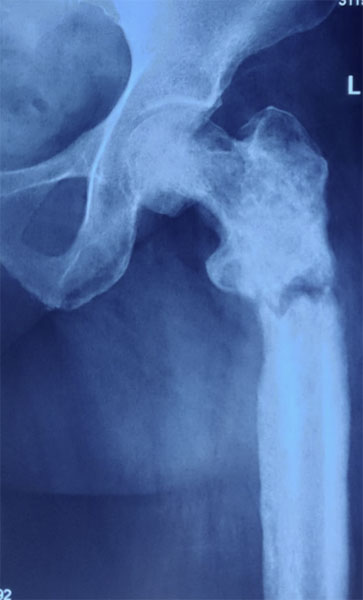
Figure 3. Pathological fracture of the femur due to metastatic prostate cancer. Bone metastases can weaken the thigh bone and lead to fracture even with minimal injury.
.jpg "Bone metastases in the femur and upper arm bone (humerus), common sites for pathological fractures")
Figure 4. Bone metastases in the femur and upper arm bone (humerus), common sites for pathological fractures. Early assessment can help identify bones at risk of breaking.
How Is Bone Metastasis Diagnosed?
Diagnosing bone metastasis involves combining your medical history, physical examination, imaging studies, and sometimes a biopsy. The goal is to confirm the diagnosis, identify the primary cancer if it is unknown, and determine the extent of disease so that the most appropriate treatment can be planned.
Your doctor may recommend one or more of the following investigations:
- X-rays: Often the first imaging test, useful for detecting larger bone lesions and fractures.
- MRI (Magnetic Resonance Imaging): Uses magnetic fields to produce detailed /wp-content/themes/twentytwentyone-child/images of bone marrow and surrounding soft tissues. It is particularly useful for detecting spinal metastases and assessing pressure on nerves or the spinal cord.
- CT (Computed Tomography): Provides detailed /wp-content/themes/twentytwentyone-child/images of bone structure and helps evaluate complex areas such as the pelvis and spine.
- PET-CT (Positron Emission Tomography–Computed Tomography): Combines metabolic and anatomical imaging to detect metastatic disease throughout the body.
- Bone Scan: A nuclear medicine test that highlights areas of increased bone activity and helps identify multiple skeletal lesions.
Blood tests may also provide useful information, including calcium levels, alkaline phosphatase (an enzyme that may increase with bone involvement), and selected tumor markers, depending on the type of cancer.
In some situations, your doctor may recommend a bone biopsy, in which a small sample of tissue is removed and examined under a microscope. A biopsy is particularly important when the primary cancer is unknown, imaging findings are inconclusive, or there is concern that the lesion could represent a different disease.
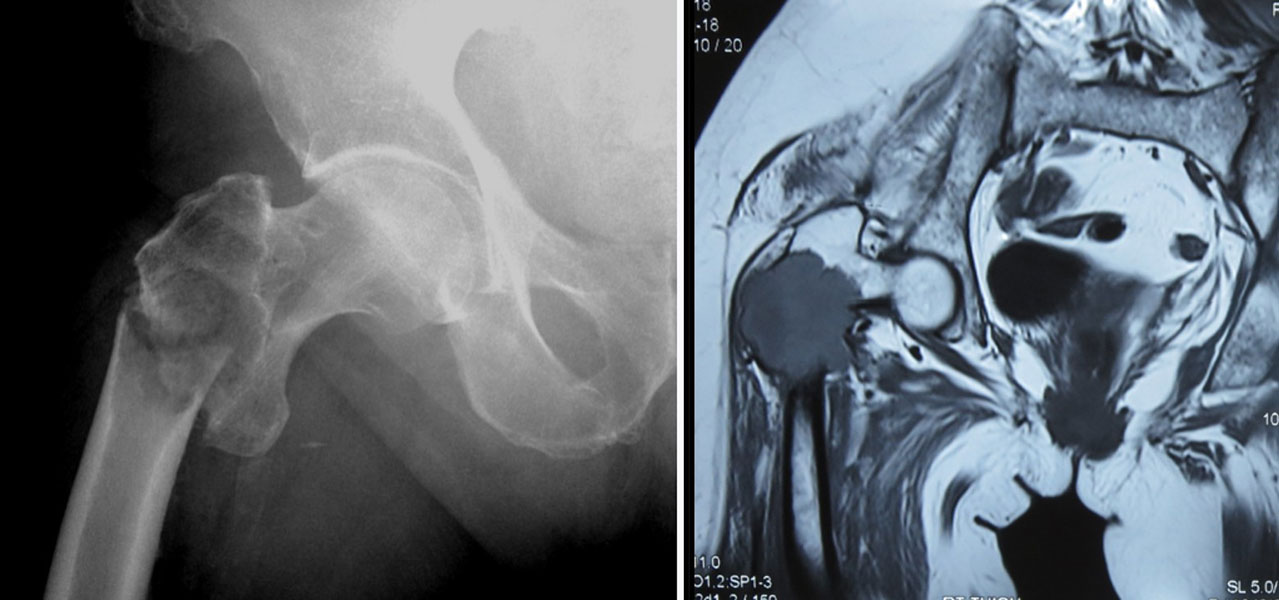
Figure 5. MRI evaluation of a suspected pathological fracture revealing an underlying bone metastasis from lung cancer. MRI helps assess the extent of tumor involvement and soft-tissue spread.
Did You Know?
Sometimes, a painful bone lesion is the first sign of an undiagnosed cancer. In these situations, careful investigation helps identify both the bone lesion and the original cancer, allowing treatment to be planned appropriately.
Reassurance Box
Not every patient requires every investigation. Your healthcare team will recommend the tests that are most appropriate for your symptoms, the suspected type of cancer, and your overall clinical condition. An accurate diagnosis is the foundation of effective treatment.
How Is Bone Metastasis Treated?
Bone metastasis treatment refers to the combined medical and surgical approaches used to manage cancer that has spread to the bones. Unlike primary bone cancer, which begins in the bone itself, bone metastasis develops when cancer cells from another organ—such as the breast, prostate, lung, kidney, or thyroid—travel through the bloodstream or lymphatic system and grow within the bone.
The treatment plan is designed not only to treat the cancer but also to protect the skeleton. Bones affected by metastatic disease become weaker and are more likely to fracture, causing pain, reduced mobility, and loss of independence. Early treatment helps reduce these complications and allows many patients to continue their daily activities.
No single treatment works for every patient. Instead, doctors combine different therapies according to the location of the metastasis, the type of primary cancer, the extent of disease, and the patient’s overall health.
Most patients receive one or more of the following:
- Systemic therapy—treatments such as chemotherapy, hormone therapy, targeted therapy, or immunotherapy that circulate throughout the body to control cancer.
- Radiotherapy (radiation therapy)—high-energy radiation used to relieve pain, strengthen bone by controlling tumor growth, and treat selected metastatic lesions.
- Bone-strengthening medications—drugs such as bisphosphonates or denosumab that reduce bone destruction and lower the risk of fractures and other skeletal complications.
- Surgery—performed when there is a pathological fracture, a high risk of fracture, persistent pain, or when removing or stabilizing the affected bone is expected to improve function.
- Rehabilitation and supportive care—including physiotherapy, pain management, nutritional support, and psychological care to help patients regain independence and maintain quality of life.
Doctor Explains
Many patients ask, “Which treatment is the best?” The answer is that there is no universal best treatment. The most effective approach is the one tailored to your specific cancer, bone involvement, symptoms, and personal goals.
Reassurance Box
A diagnosis of bone metastasis can feel overwhelming, but it does not mean that treatment options have been exhausted. Significant advances in cancer therapy, surgery, and supportive care now allow many patients to live longer, remain active, and maintain a good quality of life.
What Are the Goals of Treatment?
Treatment for bone metastasis is not the same for every patient because individual needs and priorities differ. While some treatments focus primarily on controlling the cancer, others aim to relieve symptoms, preserve mobility, or prevent future complications.
The main goals of treatment are to:
- Control the growth of cancer within the bone.
- Relieve pain and improve comfort.
- Prevent or treat pathological fractures (fractures occurring in bone weakened by cancer).
- Preserve mobility and independence.
- Protect important structures such as the spinal cord and major joints.
- Maintain or improve overall quality of life.
- Support patients in continuing their daily, family, and work activities whenever possible.
For some patients with oligometastatic disease—a condition in which cancer has spread to only a small number of sites—more aggressive local treatment may help achieve prolonged disease control. For others with more widespread disease, treatment focuses on maximizing comfort, function, and independence.
The treatment goals should always reflect the patient’s own priorities and be discussed openly with the treating team.
Doctor Insight
Successful treatment is measured by more than tumor control alone. Helping a patient remain mobile, independent, and comfortable is often just as important as controlling the cancer itself.
Who Decides My Treatment?
Bone metastasis is best managed by a multidisciplinary team (MDT)—a group of healthcare professionals with expertise in different aspects of cancer care. Each specialist contributes to developing a treatment plan that balances cancer control with preservation of function and quality of life.
Depending on your condition, the MDT may include:
- Medical oncologist – oversees systemic treatments such as chemotherapy, hormone therapy, targeted therapy, and immunotherapy.
- Orthopaedic oncologist – specializes in surgery for metastatic bone disease, including fracture prevention and limb reconstruction.
- Radiation oncologist – plans and delivers radiotherapy.
- Radiologist – interprets imaging studies such as X-rays, CT scans, MRI, and PET-CT.
- Pathologist – confirms the diagnosis by examining tissue samples under a microscope.
- Physiotherapist – helps restore strength, mobility, and function.
- Pain and palliative care specialists – optimize pain control and improve quality of life when needed.
Rather than making decisions independently, these specialists review your medical history, imaging, biopsy findings (if performed), and overall health before recommending the most appropriate treatment plan.
Did You Know?
Research consistently shows that patients with metastatic bone disease often achieve better outcomes when their treatment is planned by a multidisciplinary team, rather than by a single specialist.
Reassurance Box
You do not have to make treatment decisions alone. Your healthcare team will explain the available options, discuss the benefits and potential risks of each approach, and help you choose the plan that best matches your medical needs and personal preferences.
How Is the Right Treatment Chosen?
No two patients with bone metastasis are exactly alike. The same cancer can behave differently in different people, which is why treatment is always individualized rather than based on a standard formula.
Before recommending treatment, your healthcare team considers several important factors.
Cancer Factors
Doctors assess:
- The type of primary cancer.
- The number and location of bone metastases.
- Whether the disease is confined to bone or has spread to other organs.
- The expected response to systemic therapy.
Bone Factors
The condition of the affected bone also influences treatment decisions, including:
- Which bone is involved.
- Whether the lesion has weakened the bone.
- The risk of a pathological fracture.
- Whether a fracture has already occurred.
- Whether the lesion affects a weight-bearing bone such as the hip or femur.
Patient Factors
Your general health is equally important. The team considers:
- Age and fitness.
- Other medical conditions.
- Current symptoms, particularly pain and mobility.
- Functional status (your ability to perform daily activities).
- Personal goals and treatment preferences.
These factors help determine whether surgery, radiotherapy, medications, or a combination of treatments will provide the greatest overall benefit.
Doctor Explains
Two patients with seemingly similar bone metastases may receive completely different treatments because their cancer type, overall health, life expectancy, symptoms, and personal goals are different. Personalized treatment leads to better outcomes than a one-size-fits-all approach.
Treatment Options for Bone Metastasis
Treatment for bone metastasis is highly individualized. Most patients receive a combination of therapies that work together to control cancer, relieve symptoms, strengthen bones, and preserve mobility.
The main treatment options include:
- Systemic cancer treatments to control cancer throughout the body.
- Bone-strengthening medications to reduce bone destruction and prevent fractures.
- Radiotherapy to relieve pain and control tumor growth.
- Surgery to stabilize or reconstruct weakened bones when necessary.
- Rehabilitation and supportive care to restore function and improve quality of life.
Systemic Cancer Treatments
Systemic therapy refers to treatments that circulate throughout the body to treat cancer wherever it has spread. The type of treatment depends primarily on the primary cancer, rather than the location of the bone metastasis.
Common systemic treatments include:
- Chemotherapy, which destroys rapidly dividing cancer cells.
- Hormone therapy, used for hormone-sensitive cancers such as breast and prostate cancer.
- Targeted therapy, which attacks specific molecular changes within cancer cells.
- Immunotherapy, which helps the immune system recognize and destroy cancer cells.
These treatments often reduce tumor burden, relieve symptoms, and improve overall survival.
Bone-Strengthening Medications
Cancer can weaken bone by increasing bone breakdown. Bone-strengthening medications help slow this process and reduce the risk of fractures and other skeletal complications.
The two most commonly used medications are:
- Bisphosphonates (such as zoledronic acid), given as intravenous infusions.
- Denosumab, a subcutaneous injection that blocks the cells responsible for bone destruction.
These medicines help reduce bone pain and lower the risk of skeletal-related events, such as fractures and spinal cord compression.
Clinical Pearl
Bone-strengthening medications help protect weakened bones but cannot repair an unstable bone or replace surgery when a fracture has occurred or is likely to occur.
Radiotherapy
Radiotherapy (radiation therapy) uses high-energy radiation to destroy cancer cells within the bone. It is one of the most effective treatments for painful bone metastases and may also help control local tumor growth.
Radiotherapy is commonly used to:
- Relieve bone pain
- Treat small metastatic lesions
- Reduce the risk of local disease progression
- Complement surgery in selected patients
Treatment is painless and is usually delivered as an outpatient procedure.
Surgery
Surgery is recommended when a bone has fractured, is at high risk of breaking, or when reconstruction is needed to restore stability and function. Depending on the situation, surgery may involve internal fixation, bone cement augmentation, or replacement of the affected bone with a tumor prosthesis.
Because surgery is a major topic, it is discussed in detail in the following sections.
Rehabilitation and Supportive Care
Recovery does not end after cancer treatment or surgery. Physiotherapy, pain management, nutritional support, and psychological care all play important roles in helping patients regain mobility, maintain independence, and improve quality of life.
Doctor Explains
The most successful treatment plans combine different therapies rather than relying on a single treatment. Your multidisciplinary team will recommend the combination that best matches your cancer type, symptoms, fracture risk, and personal goals.
Reassurance Box
Not every patient requires every treatment described above. Your care plan will be tailored to your individual condition, ensuring that you receive the treatments most likely to provide the greatest benefit with the fewest unnecessary interventions.
Patient Tip
Keep a simple pain diary, noting where the pain occurs, its severity, and what activities make it better or worse. This information helps your healthcare team adjust treatment more effectively.
When Is Surgery Needed?
Not every patient with bone metastasis requires surgery. Many patients achieve good symptom control with systemic therapy, bone-strengthening medications, and radiotherapy. However, surgery becomes an important part of treatment when the bone has become structurally weak, a fracture has occurred, or there is a high risk of future complications.
Unlike surgery for primary bone cancer, the aim of surgery for bone metastasis is usually not to cure the disease. Instead, it focuses on relieving pain, restoring stability, preserving mobility, and improving quality of life. The decision to operate is made after careful discussion within the multidisciplinary team, taking into account the patient’s symptoms, overall health, expected survival, and personal goals.
Pain Caused by Mechanical Instability
Bone pain from metastasis may occur because of the tumor itself or because the affected bone has become mechanically unstable. Mechanical pain is typically worse during standing, walking, or movement and improves with rest.
When pain is caused by instability rather than the tumor alone, surgery may provide more effective and lasting relief than medications or radiotherapy alone by restoring the strength of the bone.
Pathological Fracture
A pathological fracture is a broken bone that occurs because cancer has weakened the bone, often after little or no injury.
Unlike normal fractures, pathological fractures rarely heal reliably because the diseased bone has lost its normal healing capacity. In most cases, surgery is required to stabilize or reconstruct the bone, allowing patients to regain mobility and reduce pain.
The type of surgery depends on:
- The bone involved
- The extent of bone destruction
- The type of primary cancer
- The patient’s overall health and expected survival
- Functional requirements and activity level
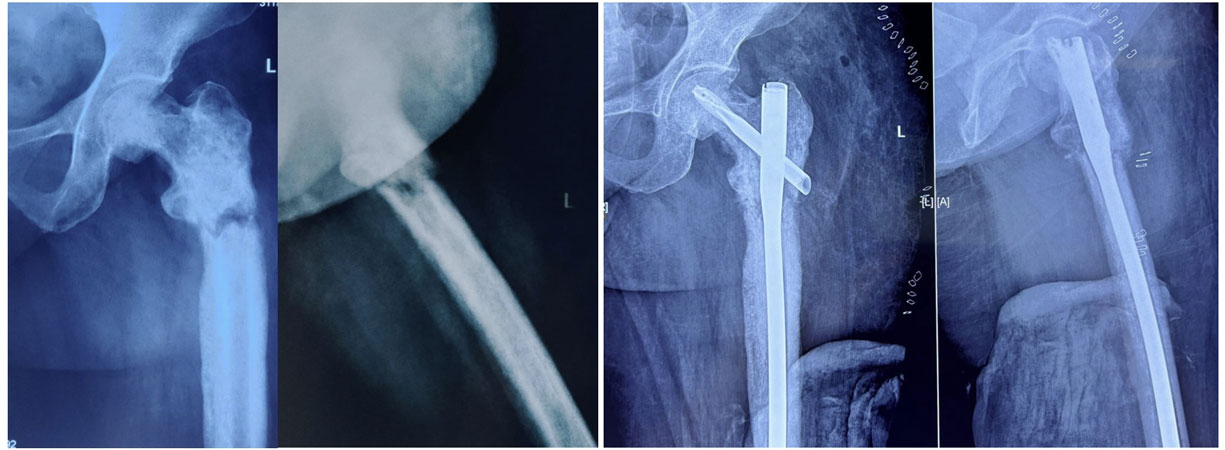
Figure 6. Pathological fracture of the femur in metastatic prostate cancer treated with surgical stabilization. Stabilizing a weakened bone can reduce pain, restore strength and help patients regain mobility.
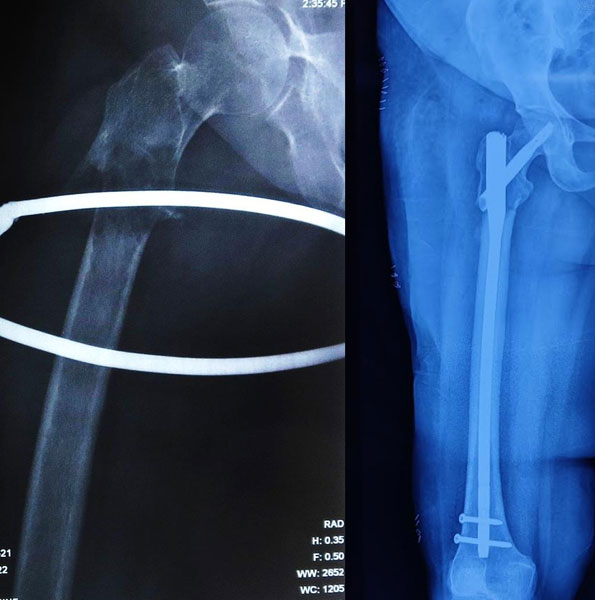
Figure 7. Intramedullary fixation of a pathological fracture in the subtrochanteric femur caused by metastatic thyroid cancer. Internal fixation provides stability and can allow earlier movement after surgery.
Radiograph demonstrating a metastatic lesion with an associated pathological fracture requiring surgical stabilization.
Impending Pathological Fracture
Sometimes a metastatic lesion weakens the bone so severely that it is likely to break, even though a fracture has not yet occurred. This is called an impending pathological fracture.
In many cases, operating before the bone breaks (known as prophylactic fixation) is preferable because it:
- Prevents a painful fracture
- Allows a simpler operation
- Reduces complications
- Shortens hospital stay
- Enables earlier rehabilitation and return to daily activities
Your surgeon may use clinical assessment and imaging, together with tools such as the Mirels score, to estimate fracture risk and determine whether preventive surgery is recommended.
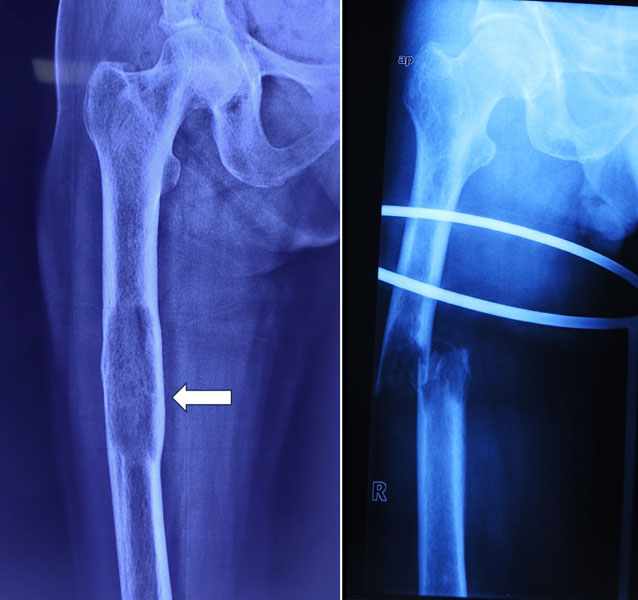
Figure 8. An impending pathological fracture in a weakened bone. Without timely treatment, a bone weakened by metastatic cancer may progress to a complete fracture.
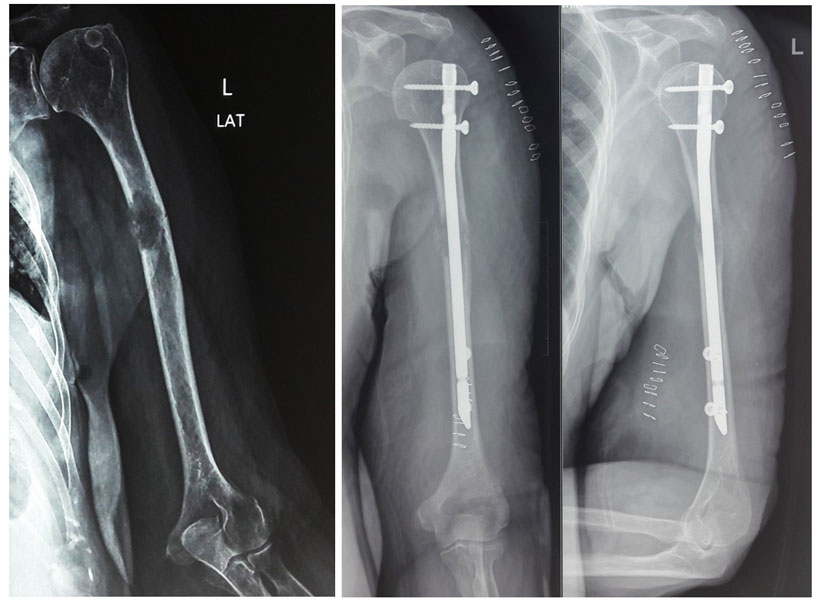
Figure 9. Preventive fixation of a bone weakened by metastatic cancer to prevent a pathological fracture. Treating an impending fracture early can help maintain mobility and reduce the risk of a major fracture.
Spinal Cord Compression
When bone metastases involve the spine, the tumor or a collapsed vertebra may compress the spinal cord—the bundle of nerves that carries signals between the brain and the rest of the body.
Symptoms may include:
- Severe back pain
- Weakness or numbness in the arms or legs
- Difficulty walking
- Loss of bladder or bowel control
Spinal cord compression is a medical emergency. Prompt treatment with surgery, radiotherapy, or both may prevent permanent neurological damage.
Solitary or Limited Bone Metastases
Some patients have only one or a few bone metastases, a situation known as oligometastatic disease. In carefully selected patients, surgery may provide durable local control, especially when combined with systemic therapy and radiotherapy.
Although not every patient with oligometastatic disease requires surgery, an aggressive local approach may improve long-term function and, in selected cases, survival.
Clinical Pearl
Preventing a fracture is almost always better than treating one after it occurs. Patients who undergo prophylactic fixation generally experience fewer complications, recover more quickly, and regain mobility sooner than those treated after a completed pathological fracture.
Doctor Insight
The decision to perform surgery is based on the patient’s symptoms, function, fracture risk, and overall treatment goals—not simply on the size of the bone lesion. Some large lesions remain stable without surgery, while smaller lesions in weight-bearing bones may require early intervention.
Reassurance Box
Needing surgery does not necessarily mean that your cancer is progressing or that other treatments have failed. In many patients, surgery is performed proactively to relieve pain, prevent fractures, maintain independence, and allow other cancer treatments to continue safely.
Types of Surgery for Bone Metastasis
The type of surgery recommended depends on which bone is affected, the extent of bone destruction, whether a fracture is present, your overall health, and your expected functional needs. The primary goal is to provide a strong, durable reconstruction that allows patients to regain mobility quickly and minimizes the likelihood of requiring another operation.
Unlike surgery for ordinary fractures, fixation of metastatic bone disease is designed to last for the patient’s lifetime, as healing of metastatic bone is often unpredictable.
Internal Fixation
Internal fixation uses metal implants such as intramedullary nails, plates, and screws to stabilize a weakened or fractured bone.
This approach is commonly used when:
- The bone can be preserved.
- Bone loss is limited.
- The joint surface is intact.
- Additional support with bone cement is feasible.
Whenever possible, surgeons aim to stabilize the entire length of the affected bone, reducing the risk of future fractures at another site.
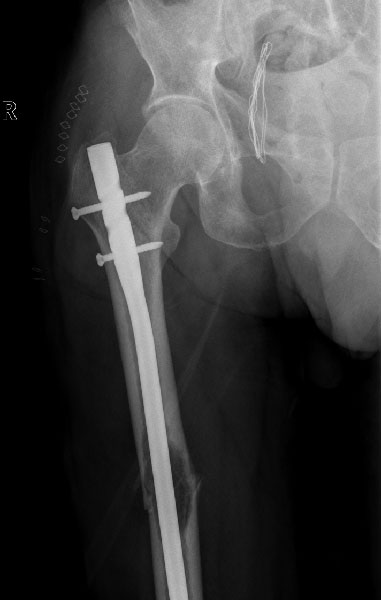
Figure 10. Early surgical stabilization of an impending pathological fracture can help prevent severe pain, fracture and loss of mobility. Timely treatment is an important part of managing bone metastases.
Bone Cement Augmentation
Bone cement (polymethyl methacrylate or PMMA) is frequently used together with metal implants to improve stability.
Bone cement helps by:
- Filling cavities created by the tumor
- Providing immediate structural support
- Increasing the strength of fixation
- Allowing earlier weight-bearing
Because it hardens within minutes, bone cement enables patients to mobilize much sooner than waiting for weakened bone to heal.
Endoprosthetic Reconstruction (Tumor Prosthesis)
When a large segment of bone has been destroyed by the tumor, repairing the remaining bone may not provide a durable solution. In these situations, the diseased bone is removed and replaced with a metallic endoprosthesis (tumor prosthesis or megaprosthesis).
This procedure is commonly performed for extensive metastases involving:
- Proximal femur (hip region)
- Distal femur (above the knee)
- Proximal humerus (shoulder region)
- Proximal tibia (below the knee)
Compared with internal fixation, endoprosthetic reconstruction offers several advantages:
- Immediate stability
- Reliable pain relief
- Early full weight-bearing in most patients
- Lower risk of implant failure in extensive bone destruction
- Excellent restoration of limb function
Although it is a more complex procedure, it often provides the most durable solution for patients expected to live for several years.
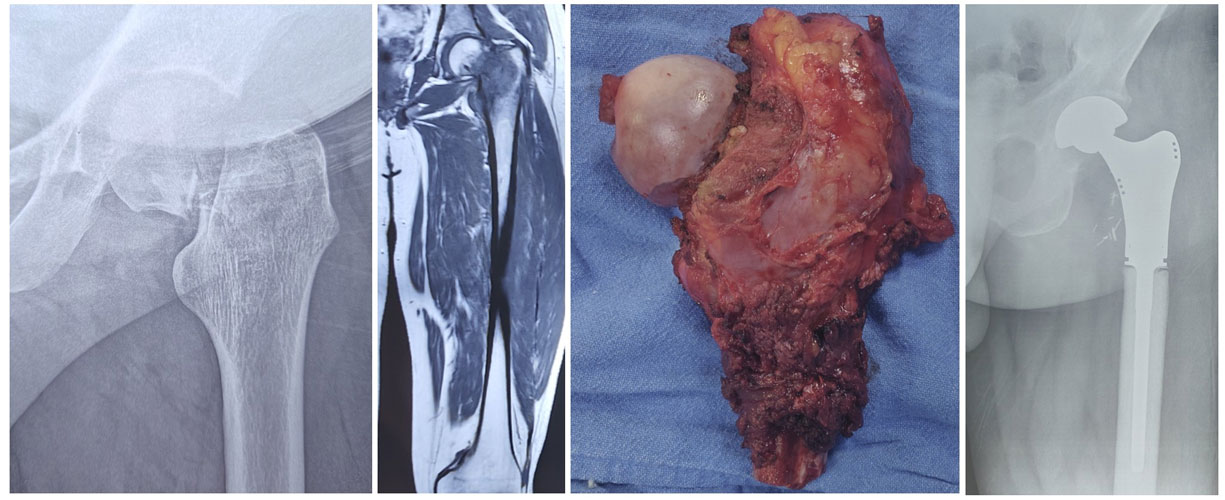
Figure 11. Solitary metastatic renal cell carcinoma involving the proximal femur, treated with wide resection and endoprosthetic reconstruction. This approach can provide durable stability and allow early weight-bearing and functional recovery.
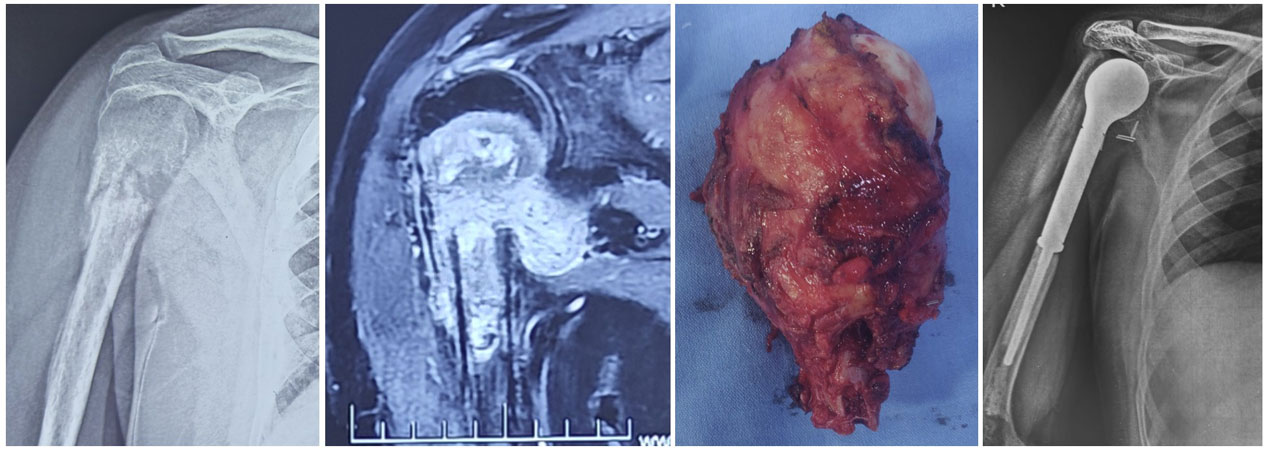
Figure 12. Metastatic thyroid cancer involving the proximal humerus treated with wide resection and endoprosthetic reconstruction . Reconstruction helps restore the strength and function of the upper arm.
Surgery for Spinal Metastases
Patients with spinal metastases may require surgery when there is:
- Spinal instability
- Compression of the spinal cord or nerve roots
- Progressive neurological weakness
- Pain that does not respond to other treatments
Depending on the situation, surgery may involve:
- Decompression to relieve pressure on the spinal cord
- Stabilization using screws and rods
- Reconstruction of the affected vertebra
Surgery is often combined with postoperative radiotherapy for optimal local disease control.
Minimally Invasive Procedures
Not all patients require major surgery. In selected situations, minimally invasive procedures can provide effective pain relief with shorter recovery times.
These include:
- Percutaneous cementoplasty, in which bone cement is injected into weakened bones such as the pelvis or vertebrae.
- Vertebroplasty or kyphoplasty, used for selected vertebral compression fractures.
- Image-guided tumor ablation, which may be combined with cement injection in carefully selected patients.
These procedures are particularly valuable for patients who are not suitable candidates for extensive surgery.
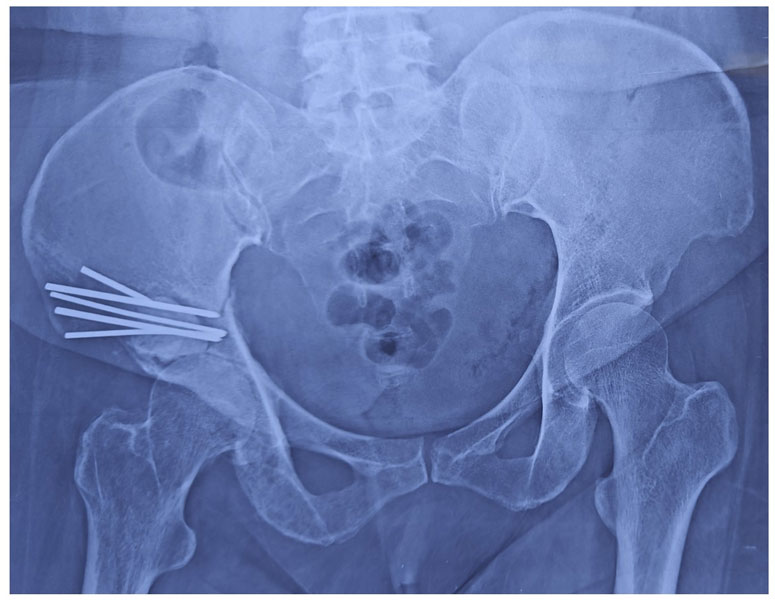
Figure 13. Periacetabular bone metastasis reconstructed with bone cement to restore structural stability . Reconstruction can strengthen the hip region and help maintain mobility in patients with metastatic bone disease.
Common Surgical Procedures for Bone Metastasis
Doctor Insight
The best operation is not necessarily the least invasive. The goal is to choose a reconstruction that is strong enough to allow immediate function and durable enough to avoid future implant failure. A procedure that appears simpler initially may require additional surgery later if it does not provide lasting stability.
Patient Tip
If surgery is recommended, ask your surgeon:
- Why is this procedure the best option for me?
- Will I be able to walk immediately after surgery?
- How long will rehabilitation take?
- Will I need radiotherapy after the operation?
- How durable is this reconstruction?
Understanding these points can help you participate confidently in treatment decisions.
Recovery After Treatment and Rehabilitation
Treatment for bone metastasis does not end after surgery, radiotherapy, or systemic therapy. Recovery and rehabilitation are essential parts of the treatment journey, helping patients regain mobility, reduce pain, and return to everyday activities as safely and independently as possible.
The recovery plan varies from person to person and depends on the type of treatment received, the location of the bone metastasis, the patient’s overall health, and the underlying cancer.
What Happens After Treatment?
Immediately after treatment, your healthcare team will focus on:
- Controlling pain
- Preventing complications
- Restoring mobility
- Helping you return to daily activities safely
Patients who undergo surgery are usually encouraged to start moving as early as possible, often within the first day after the operation. Early mobilization helps reduce the risk of complications such as blood clots, muscle weakness, and stiffness.
Weight-bearing instructions depend on the type of surgery performed. Some patients can walk with full weight immediately, while others may need temporary support with a walker or crutches.
The Role of Physiotherapy
Physiotherapy is one of the most important components of recovery. A structured rehabilitation program helps improve strength, balance, flexibility, and confidence in movement.
Your physiotherapist may help you with:
- Walking training
- Muscle strengthening exercises
- Improving joint movement
- Balance and coordination exercises
- Stair climbing and transfers
- Safe use of walking aids
The rehabilitation program is tailored to your individual needs and progresses gradually as your strength improves.
Returning to Daily Activities
Most patients are encouraged to gradually resume normal activities as their recovery progresses. The timeline varies depending on the treatment received and the part of the skeleton involved.
Your healthcare team will advise you about:
- Walking independently
- Climbing stairs
- Driving
- Returning to work
- Household activities
- Recreational exercise
Activities that place excessive stress on weakened bones should be avoided until your doctor confirms that it is safe.
Living Well with Bone Metastasis
Many people continue to lead active and fulfilling lives after treatment for bone metastasis. Maintaining overall health can improve both quality of life and treatment outcomes.
Simple lifestyle measures include:
- Staying as physically active as your condition allows
- Eating a balanced, protein-rich diet
- Maintaining adequate calcium and vitamin D intake if recommended
- Avoiding tobacco and limiting alcohol consumption
- Taking medications exactly as prescribed
- Attending scheduled follow-up appointments
Patient Tip
Regular, gentle exercise is usually more beneficial than prolonged bed rest. Even short daily walks and supervised strengthening exercises can help maintain muscle strength, improve balance, and reduce fatigue.
Emotional Well-being
A diagnosis of bone metastasis can affect emotional health as well as physical health. Feelings of anxiety, uncertainty, or sadness are common and completely understandable.
Support may be available through:
- Oncology nurses
- Psychologists or counselors
- Support groups
- Palliative care specialists
- Family and caregiver support
Seeking emotional support is an important part of comprehensive cancer care and can improve overall well-being throughout treatment.
When Should You Contact Your Doctor?
Contact your healthcare team promptly if you experience:
- Sudden or worsening bone pain
- Difficulty walking or bearing weight
- New swelling around a bone or joint
- Weakness, numbness, or tingling in the arms or legs
- Loss of bladder or bowel control
- Fever, wound redness, or discharge after surgery
- Persistent or worsening pain despite treatment
Early evaluation can often identify problems before they become more serious.
Doctor Insight
Recovery is not measured simply by how an X-ray looks. The most meaningful indicators of success are reduced pain, improved mobility, greater independence, and the ability to return to activities that matter most to you.
Frequently Asked Questions (FAQs)
Patients and their families often have many questions after learning about bone metastasis. Below are answers to some of the most common concerns. Remember that every patient’s situation is unique, so discuss your individual treatment plan with your healthcare team.
Can bone metastasis be cured?
In most cases, bone metastasis is not considered curable, but it is often treatable. Modern treatments can control cancer, relieve pain, prevent complications, and help many patients maintain a good quality of life for prolonged periods.
What is the best treatment for bone metastasis?
There is no single “best” treatment. Management is individualized and may include systemic therapy (chemotherapy, hormone therapy, targeted therapy, or immunotherapy), radiotherapy, bone-strengthening medications, and surgery, depending on the type of cancer, symptoms, and fracture risk.
Is surgery always necessary?
No. Many patients respond well to medications and radiotherapy alone. Surgery is generally recommended when there is a pathological fracture, a high risk of fracture, significant bone destruction, spinal instability, or persistent mechanical pain.
Will treatment relieve my pain?
Yes, in most patients, treatment significantly reduces pain. Pain relief may come from medications, radiotherapy, surgery, or a combination of these approaches. Effective pain control is one of the primary goals of treatment.
Can I continue walking and carrying out my daily activities?
Many patients can remain active throughout treatment. Your doctor may recommend temporary activity modification, walking aids, or physiotherapy depending on the location of the metastasis and your fracture risk.
Does every painful bone lesion mean cancer has spread?
No. Bone pain has many possible causes, including arthritis, osteoporosis, muscle injuries, and benign bone tumors. New or persistent bone pain should always be evaluated, but it does not automatically indicate bone metastasis.
Is radiotherapy painful?
No. Radiotherapy itself is painless. The treatment feels similar to having an X-ray. Some patients experience temporary fatigue or a short-lived increase in pain before symptoms improve.
What are bone-strengthening medications, and why do I need them?
Medications such as bisphosphonates and denosumab help slow bone destruction caused by cancer. They reduce the risk of fractures, spinal cord compression, and other skeletal complications but do not eliminate the need for surgery when the bone is structurally unstable.
Will I need physiotherapy after treatment?
Many patients benefit from physiotherapy, particularly after surgery. Rehabilitation helps improve strength, balance, mobility, and confidence, allowing a safer return to everyday activities.
How often will I need follow-up appointments?
Follow-up schedules vary depending on your cancer type and treatment. During these visits, your healthcare team will assess your symptoms, monitor your response to treatment, evaluate bone health, and adjust your treatment plan if necessary.
Can exercise make bone metastasis worse?
Not usually. In fact, appropriate, supervised exercise is often encouraged because it helps maintain muscle strength, improves balance, reduces fatigue, and supports overall well-being. However, high-impact activities may need to be avoided if there is a significant risk of fracture.
When should I seek urgent medical attention?
Seek immediate medical care if you develop:
- Sudden inability to bear weight on a limb
- Severe or rapidly worsening bone pain
- New weakness or numbness in the arms or legs
- Loss of bladder or bowel control
- Fever or signs of infection after surgery
These symptoms may indicate complications that require prompt treatment.
References
The information presented in this article is based on current international clinical practice guidelines, peer-reviewed scientific literature, and expert consensus in musculoskeletal oncology. The following references were used during the preparation of this article.
- National Comprehensive Cancer Network (NCCN). NCCN Clinical Practice Guidelines in Oncology: Bone Cancer. Version 2025. Plymouth Meeting, PA: NCCN.
- Van Poznak C, Somerfield MR, Barlow WE, Biermann JS, Bosserman LD, Clemons MJ, et al. Role of bone-modifying agents in metastatic breast cancer: ASCO Clinical Practice Guideline Update. J Clin Oncol. 2021;39(35):3959–3977.
- Coleman RE. Clinical features of metastatic bone disease and risk of skeletal morbidity. Clin Cancer Res. 2006;12(20 Suppl):6243s–6249s.
- Chow E, Hoskin P, Mitera G, Zeng L, Lutz S, Roos D. Update of the international consensus on palliative radiotherapy endpoints for future clinical trials in bone metastases. Int J Radiat Oncol Biol Phys. 2012;82(5):1730–1737.
- Biermann JS, Holt GE, Lewis VO, Schwartz HS, Yaszemski MJ. Metastatic bone disease: Diagnosis, evaluation, and treatment. J Bone Joint Surg Am. 2009;91(6):1518–1530.
- Wedin R, Bauer HCF. Surgical treatment of skeletal metastatic lesions of the proximal femur: Endoprosthesis or reconstruction nail? J Bone Joint Surg Br. 2005;87(12):1653–1657.
- D’Oronzo S, Coleman R, Brown J, Silvestris F. Metastatic bone disease: Pathogenesis and therapeutic options: Up-date on bone metastasis management. J Bone Oncol. 2018;15:004-4. Published 2018 Nov 6.
- NICE Guideline NG234. Spinal metastases and metastatic spinal cord compression. National Institute for Health and Care Excellence; 2023.
- Bickels J, Dadia S, Lidar Z. Surgical management of metastatic bone disease. J Bone Joint Surg Am. 2009;91(6):1503–1516.
Medical Disclaimer
This article is intended for educational purposes only and should not replace professional medical advice, diagnosis, or treatment. Every patient is unique, and treatment decisions should always be made in consultation with a qualified oncologist and orthopaedic oncologist. If you have persistent bone pain, a suspected fracture, or symptoms such as weakness, numbness, or loss of bladder or bowel control, seek medical attention immediately.
 +91 93558 33005