26 September, 2026
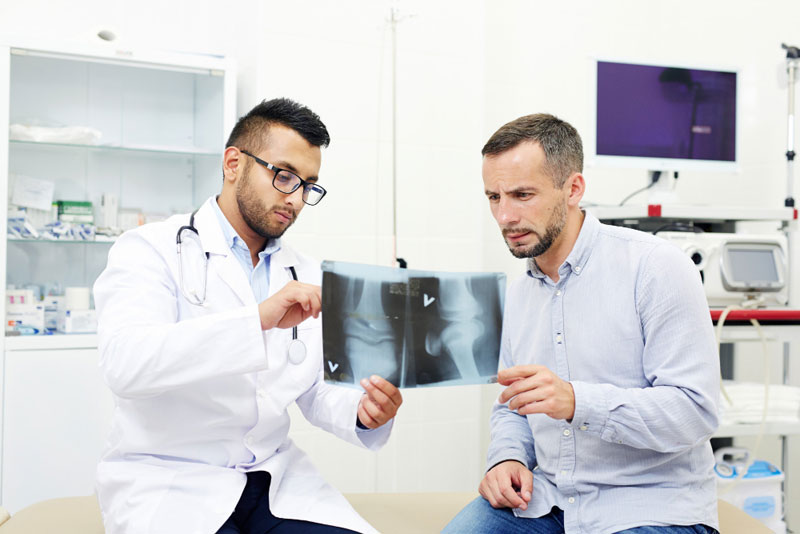
Hearing the words “bone tumor” or “soft tissue tumor” can make anyone worried. But not every tumor is cancerous and getting the right specialist early can make the treatment much easier and effective. An Orthopaedic Oncologist is an orthopaedic surgeon with specialized training in diagnosing and treating tumors affecting the bones and soft tissues. This includes benign (non-cancerous) and malignant (cancerous) tumors as well as tumors that have spread to the bones from another part of the body.
So, what exactly does an orthopedic oncologist do and when should you see one?
What Does an Orthopaedic Oncologist Treat?
Orthopedic oncologists treat conditions that require special evaluation and treatment. These may include bone tumors, soft tissue sarcomas, metastatic bone disease and other complex musculoskeletal tumors.Some tumors begin directly in the bone or soft tissue. Others may spread to the bones from cancers that started elsewhere, such as in the lungs, breast or prostate. This is known as bone metastasis.
Importantly, having a bone tumor does not always mean cancer. Many bone tumors are benign, which means they are not cancerous. Treatment may be needed for different types of bone tumors, including osteosarcoma, Ewing sarcoma, chondrosarcoma, giant cell tumor of bone, soft tissue sarcoma and cancer that has spread to the bones.
When Should You See an Orthopaedic Oncologist?
You may be referred to an orthopaedic oncologist if a tumor has been found in your bone or soft tissue. You may also need their help if cancer from another part of the body has spread to your bones.
In some cases, the reason is not even a tumor. Sometimes a person will need complex joint reconstruction or surgery to save a limb affected by a tumor or other serious condition. Orthopedic oncologists are trained to deal with these complicated situations and to plan treatment according to the individual patient’s needs. For example, persistent or progressive pain, especially pain that is present at night or associated with swelling, may need further investigation. But these symptoms can be caused by many other things and do not necessarily mean there is a tumor.
Why an Accurate Diagnosis Matters?
When a bone or soft tissue tumor is suspected, getting an accurate diagnosis is very important. Depending on the situation, evaluation may involve clinical examination, imaging and abiopsy may berequired.A biopsy involves taking a small sample of tissue from the bone or soft tissue for examination. The orthopaedic oncologist can help determine whether a biopsy is needed and how it should be planned.
Patients should also bring previous pathology reports and imaging such as X-rays, CT scans or MRI scans to their appointment if these were done elsewhere. A list of previous surgeries and current medicines can also be helpful.
Treatment Is Not Always About Removing a Limb
One of the biggest concerns patients and families may have after hearing about a bone tumor is whether amputation will be needed.Today, doctors can often remove a tumor while saving the affected arm or leg. This is called limb-salvage surgery. If needed, the bone or soft tissue may also be reconstructed after the tumor is removed.
Dr. Love Kapoor, a renowned Orthopaedic Oncologist practices limb salvage surgery, tumor prosthesis or megaprosthesis surgery, biological reconstruction and complex tumor reconstruction. Computer-assisted planning, custom implants and other modern approaches may also be used when appropriate. His goal is not simply to remove the tumor. His treatment also focuses on preserving movement and function wherever safely possible.
Why Personalized Treatment Is Important
No two patients or tumors are exactly the same. Treatment may depend on the type and stage of the tumor, its location and the patient’s individual needs.Depending on the condition, treatment may involve surgery along with options such as chemotherapy or radiation therapy. For bone metastases, treatment may also include medicines that strengthen the bone.
Dr. Love Kapoor’s practice focuses on bone tumors, soft tissue sarcomas, metastatic bone disease and complex musculoskeletal cancers, with an emphasis on personalized, evidence-based treatment.
Why Book an Appointment with Dr. Love Kapoor?
When diagnosed with a bone or soft tissue tumor, questions will definitely rise in your mind. And it’s perfectly normal to feel uncertain about what will happen next. A specialist assessment can help you understand the diagnosis, available treatment options and what to expect in recovery.Dr. Love Kapoor specializes in musculoskeletal oncology, including bone tumors, soft tissue sarcomas, limb salvage surgery and complex reconstruction. Book an appointment with him to clear all your doubts and get genuine advice.
When it comes to bone tumors, the right diagnosis and the right specialist really matters.
Category:
Orthopaedic Oncologist
Tags:
Orthopaedic Oncologist
Orthopaedic Oncologist Treat
 +91 93558 33005