14 October, 2026
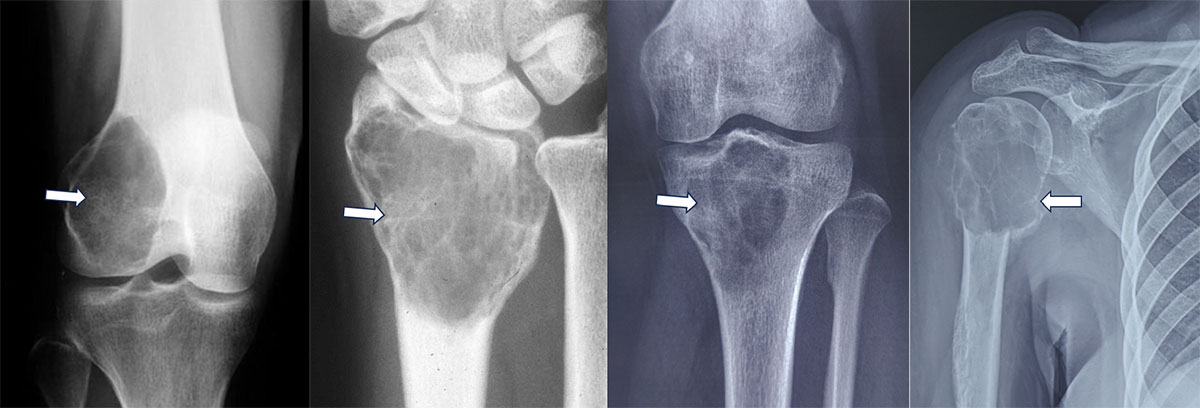
After treatment for a Giant Cell Tumor of Bone (GCTB), many patients have an important question:
“Can the tumor come back?”
The answer is yes, GCTB can recur, particularly after procedures that preserve the surrounding bone and joint. However, recurrence does not necessarily mean that the tumor cannot be controlled. Many local recurrences can be treated successfully when detected early.
GCTB can also rarely spread to the lungs. Although this is uncommon, the possibility is one reason why long-term follow-up is an important part of GCTB treatment.
Understanding recurrence, lung spread and follow-up can help you know what to expect after your treatment.
Can Giant Cell Tumor of Bone Come Back?
Yes. Local recurrence means that the tumor has returned at or near the original site after treatment.
The risk of recurrence depends on several factors, including:
- The extent and aggressiveness of the original tumor
- The amount of bone destruction
- Soft-tissue extension
- Whether the tumor had already recurred previously
- The type of surgery performed
- The completeness of tumor removal
Curettage preserves more of the patient’s normal bone and joint, but because the tumor is removed from within the bone rather than removing the entire affected segment, the risk of local recurrence can be higher than after wide resection.
This is one of the important trade-offs between joint preservation and local tumor control discussed in the previous article.
When Is Recurrence Most Likely to Occur?
Many local recurrences occur within the first few years after treatment, particularly during the first two years.
However, recurrence can occur later as well. This is why follow-up should not simply stop once the first few postoperative scans are normal.
Patients who have had a recurrence may require particularly careful surveillance because local recurrence itself has been associated with a higher risk of pulmonary metastasis.
What Are the Signs of Local Recurrence?
Sometimes recurrence is discovered during a routine follow-up examination or X-ray before the patient develops symptoms.
Possible symptoms include:
- New or increasing pain at the operated site
- New swelling or a lump
- Increasing difficulty using the affected limb
- Reduced movement of a nearby joint
- New pain during weight-bearing
- Sudden worsening of symptoms
However, the absence of symptoms does not completely rule out recurrence. This is why scheduled clinical and imaging follow-up remains important.
If a recurrence is suspected on an X-ray or examination, MRI or other imaging may be recommended to understand its extent.
Can Giant Cell Tumor of Bone Spread to the Lungs?
It can, but pulmonary metastasis is uncommon.
GCTB is generally considered a benign but locally aggressive tumor. In a small proportion of patients, tumor tissue can spread to the lungs. Published studies have reported pulmonary metastasis rates in the range of a few percent, although reported rates vary between patient groups and studies. A systematic review involving more than 4,000 patients found pulmonary metastases in approximately 5.8% of cases.
The important point is that lung metastasis from GCTB is not the same as the typical behavior of a high-grade malignant bone cancer.
Some pulmonary metastases may remain stable for long periods, while others can behave more aggressively. Therefore, if lung nodules are detected, their size, number, growth over time and the overall clinical situation need to be assessed carefully.
Who Has a Higher Risk of Lung Metastasis?
The risk is not the same for every patient.
Studies have identified local recurrence as one of the most consistent factors associated with pulmonary metastasis. Other reported risk factors include more aggressive or advanced local disease and certain tumor locations.
This does not mean that every patient with a recurrent or aggressive GCTB will develop lung metastases.
Rather, these factors help your treating team decide how closely you should be monitored.
How Are the Lungs Checked?
Chest imaging may be performed as part of the initial evaluation and during follow-up.
Depending on the individual situation, this may include:
- Chest X-ray
- CT scan of the chest
- Occasionally PET-CT or other imaging when clinically indicated
CT is more sensitive than a conventional chest X-ray for detecting small pulmonary nodules. However, the appropriate imaging method and frequency need to be individualized because there is no single universally accepted surveillance protocol for all patients with GCTB.
A recent 2026 study also found pulmonary metastasis to be uncommon and suggested that local recurrence was the significant risk factor in its patient population, raising the possibility that chest imaging could be particularly important in patients with recurrent GCTB.
What Happens If a Lung Nodule Is Found?
Finding a small lung nodule does not automatically mean that GCTB has spread to the lungs.
Small pulmonary nodules can occur for many reasons, and some may remain unchanged over time.
If a suspicious nodule is identified, your doctor may recommend repeat imaging to assess whether it is changing. In selected situations, additional investigations or tissue diagnosis may be required.
If pulmonary metastases from GCTB are confirmed, treatment depends on the number and location of the lesions, whether they are growing, the status of the primary tumor and the overall condition of the patient.
Selected patients may be considered for surgical removal of lung metastases, while systemic treatment such as denosumab may have a role in certain situations. Management is usually individualized and may involve a multidisciplinary team.
How Long Should You Follow Up After GCTB Treatment?
Follow-up is an important part of GCTB care because both local recurrence and pulmonary metastasis can occur after the original treatment.
There is currently no single internationally standardized surveillance schedule for every patient with GCTB. Published recommendations vary according to the patient’s risk factors and the treating center.
In general, follow-up is more frequent during the first two to three years, when many recurrences and pulmonary metastases are detected.
Your follow-up may include:
- Clinical examination of the operated area
- X-rays of the affected bone
- MRI or CT when recurrence is suspected or when the tumor location requires more detailed imaging
- Chest imaging for pulmonary surveillance
- Additional investigations based on your individual risk factors
Patients who have experienced a local recurrence may require particularly close surveillance because recurrence is associated with an increased risk of subsequent pulmonary metastasis.
Does Recurrence Mean the Treatment Has Failed?
Not necessarily.
This is an important point for patients.
A local recurrence can often be treated with another surgical procedure. The appropriate treatment depends on where the recurrence is located, how extensive it is and what treatment was performed previously.
In some patients, repeat curettage and reconstruction may be possible. In others, particularly when there has been extensive destruction or repeated recurrence, a more extensive resection and reconstruction may be required.
Early detection can sometimes allow treatment before the recurrent tumor becomes more extensive.
Therefore, follow-up is not simply about “checking for cancer.” It is an opportunity to identify a recurrence while more treatment options may still be available.
Can GCTB Become Malignant?
Malignant transformation of a GCTB is rare.
It can occur in the primary tumor or, more commonly, in the setting of a previously treated lesion, particularly when other risk factors such as previous radiotherapy are present. Because malignant transformation is uncommon, it should not be a source of constant anxiety for patients who have been successfully treated.
However, a rapidly enlarging mass, increasing pain or a change in the behavior of a previously treated tumor should always be evaluated.
What Should You Do After GCTB Treatment?
After surgery or other treatment, it is important to:
- Keep your scheduled follow-up appointments
- Bring previous imaging to follow-up consultations when possible
- Report new or increasing pain or swelling
- Inform your doctor if you develop persistent respiratory symptoms
- Continue surveillance even when you feel completely well
- Follow the individualized imaging schedule recommended by your treating team
Most importantly, do not assume that being symptom-free means that follow-up is no longer necessary.
Giant Cell Tumor of Bone can come back, but recurrence does not mean that the disease cannot be treated again.
The risk of recurrence depends on factors such as the tumor’s extent, soft-tissue involvement and the type of treatment performed. Recurrence is generally more likely after curettage than after wide resection, but curettage can offer the important benefit of preserving the natural joint in appropriately selected patients.
Spread to the lungs is uncommon, but it is a recognized complication of GCTB. The risk is particularly important to consider when the tumor has recurred locally.
That is why long-term, individualized follow-up matters. Regular examination and appropriate imaging can help detect local recurrence or lung involvement early, when further treatment may still be possible.
Why Consult Dr. Love Kapoor for Giant Cell Tumor?
After completing treatment for GCTB, it is natural to wonder:
“Is my tumor completely gone?”
“What are the chances that it will come back?”
“Do I need regular chest scans?”
“What happens if the tumor comes back?”
These questions depend on the individual characteristics of your tumor and the treatment you have already received.
As an AIIMS-trained Orthopaedic Oncologist specializing in bone tumors and soft tissue sarcomas, Dr. Love Kapoor focuses on the long-term management of musculoskeletal tumors, including GCTB.
During follow-up, the aim is not only to look for recurrence but also to assess bone healing, joint function, limb function and your recovery after treatment.
If you have previously undergone surgery for GCTB, have been diagnosed with a recurrence, or have been told that a lung nodule has been detected during surveillance, a specialist orthopaedic oncology consultation can help you understand what the findings mean and what should be done next.
The goal is to provide structured, individualized follow-up and timely treatment if recurrence occurs, while helping you return to your normal activities with the best possible function.
This article is intended for general educational purposes and does not replace an individual medical consultation, examination, imaging review or pathology assessment.
Category:
Giant Cell Tumor of Bone
Tags:
Bone Tumor Surveillance
GCTB Follow-Up
GCTB Recurrence
Lung Metastasis
 +91 93558 33005