29 October, 2026
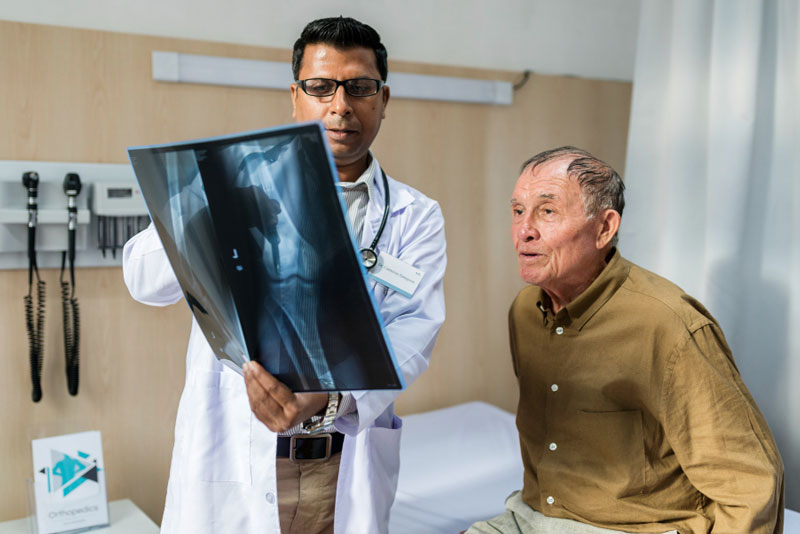
Being told that you have a bone tumor can be a stressful experience. The first few questions that may come to your mind are: Is the diagnosis correct? Do I really need surgery? Are there other treatment options? Can my affected arm or leg be saved?
If this happens, you might want to get a second opinion from another bone tumor specialist to look at your diagnosis and treatment plan in detail. Seeking a second openion doesn’t mean your first doctor was wrong. Sometimes this just helps you to know more about your condition so you can plan your treatment accordingly.
What Does a Second Opinion for a Bone Tumor Mean?
A second opinion means asking another qualified specialist to review your medical records, scans, biopsy reports and the treatment already suggested. The specialist can confirm the initial diagnosis, suggest further tests, talk about other treatment possibilities or a different sequence of treatment. This can be particularly useful with bone tumors because these conditions are relatively uncommon and different tumors can sometimes look similar on scans but need very different treatment.
Why Is Specialist Evaluation Important for Bone Tumors?
Bone tumors include a wide range of conditions. These can include osteosarcoma, Ewing sarcoma, chondrosarcoma, benign bone cysts, giant cell tumors and metastatic bone disease. Because these conditions are not all treated in the same way, getting the diagnosis right is an important part of planning treatment. A specialist who regularly deals with bone tumors and sarcomas can review the available information and help clarify what the diagnosis is and how it can be managed.
When Should You Consider a Second Opinion?
A second opinion can be useful in many situations, but it may be especially worth considering when:
- There is some doubt about the diagnosis
- The biopsy report is not clear
- Surgery has been advised
- The tumor is near an important joint or nerve
- Amputation has been suggested
- Symptoms continue even after treatment
- There may be an option to save the affected arm or leg
Having another specialist review your case before treatment may bring up additional options that were not discussed earlier.
Can a Second Opinion Change the Diagnosis?
Sometimes a second specialist will confirm the diagnosis but sometimes a further review might identify it as a different type of tumor. Additional imaging or even a repeat biopsy may sometimes be suggested. A second opinion can be useful, even when the diagnosis hasn’t changed. It may give you a clearer understanding of the condition, treatment choices, possible risks and what to expect.
Can It Change the Treatment Plan?
Yes, a second opinion can sometimes change how treatment is planned. For example, the specialist may recommend additional imaging, suggest another biopsy or modify the order in which treatments are given. If surgery is being recommended to you, the review may also help decide whether limb-salvage surgery could be done.
What Should You Carry for Your Second Opinion?
Try to carry all your previous medical records. These may include:
- Blood test reports
- CT scans
- MRI scans
- X-rays
- Biopsy reports
- PET scans, if available
- Previous consultation notes
Having complete records allows the specialist to understand your case more fully and may help avoid unnecessary repeat investigations.
Does a Second Opinion Delay Treatment?
This is a common concern, especially when the diagnosis is cancer. A timely second opinion is generally intended to provide clarity without unnecessary delay. For aggressive tumors, specialists understand that treatment should not be unnecessarily postponed. At the same time, confirming the diagnosis and choosing an appropriate treatment plan are important before major treatment begins.
Why Book an Appointment with Dr. Love Kapoor for a Second Opinion?
Dr. Love Kapoor, an Orthopaedic Oncologist, specializes in the diagnosis and treatment of bone tumors, soft tissue tumors, metastatic bone disease and complex musculoskeletal cancers. He practices limb-salvage surgery, bone and soft tissue tumor biopsy, tumor prosthesis, biological reconstruction and treatment of benign and malignant bone tumors.
If you have been diagnosed with a bone tumor or have been advised to undergo major surgery, a second opinion can help you understand your diagnosis and available treatment options more clearly.
A second opinion is not about doubting your doctor – it is about making sure you have the right information before making an important treatment decision.
Category:
Bone Tumors
Tags:
bone tumor specialist
Bone Tumors
chondrosarcoma
Ewing sarcoma
osteosarcoma
Second Opinion for a Bone Tumor
treatment of bone tumors
 +91 93558 33005