4 November, 2026
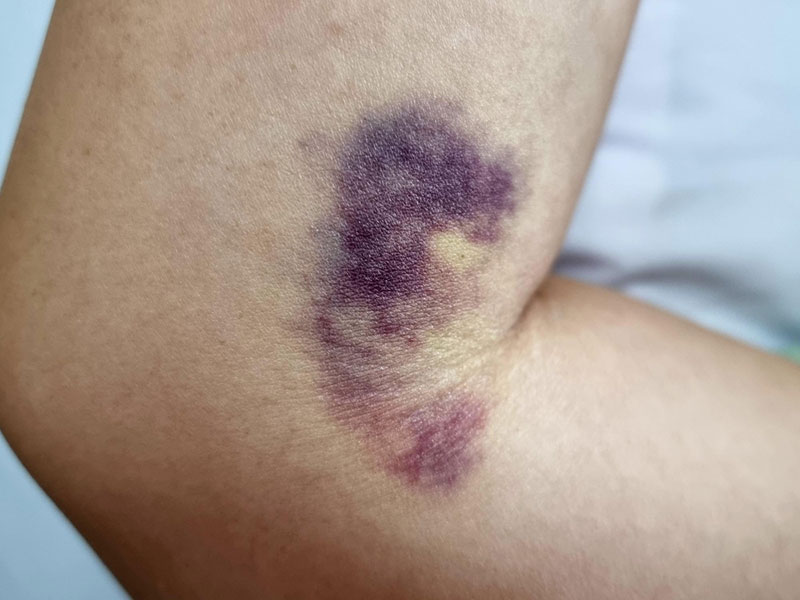
A swelling after a fall, sports injury or accidental knock is usually nothing serious. A bruise or hematoma is the result of blood collecting under the skin or in the surrounding tissues. Usually, this blood is absorbed by the body over time and swelling goes down over time. But what if the lump stays for weeks, starts growing or feels unusually firm? It’s easy to think the injury simply needs time to heal. But a swelling that doesn’t go away should be looked at more closely to rule out other causes, including a rare type of cancer known as soft tissue sarcoma.
This does not mean every lump after an injury is cancer. The important thing is to recognize when a swelling is not following the usual healing pattern.
What Is Haematoma and How Does a Normal Haematoma Heal?
A hematoma is when small blood vessels are damaged and blood pools into the surrounding tissue. This can lead to swelling, tenderness, pain and change of color of skin. Even if there is not much bruising to see, a deeper hematoma can feel like a lump under the skin.
The smaller hematomas often disappear in a few days or weeks. Larger or deeper collections of blood may take 4 to 6 weeks or sometimes several months to settle completely. Healing time depends on the size, location and severity of the injury. You should normally see the swelling slowly go down and there will be less pain and tenderness as the area begins to heal.
If the lump is not improving, becomes larger or continues to cause concern, do not assume it is simply taking longer to heal. Arrange a medical assessment.
When Should You Worry About a Persistent Swelling?
If you notice any of these changes, a bump that continues after an injury should be checked out:
It remains after 4 – 6 weeks:
Some hematomas take longer to resolve, but a persistent lump should be investigated if it is not shrinking.
Growing:
A lump that grows bigger needs to be checked by a doctor urgently, even if it doesn’t hurt.
It feels hard or deep:
A lump under the skin or in a muscle may need further evaluation.
No obvious injury:
A lump of unknown origin should not be automatically classed as a hematoma.
It comes back:
A swelling that returns after treatment or drainage needs further evaluation.
Soft tissue sarcomas can originate from muscle, fat, tendons and other connective tissue. They tend to be a lump that grows slowly over weeks or months. Sometimes the lump is tender. These warning signs do not confirm cancer, but they are reasons to get the swelling examined rather than continue waiting.
Why Can a Sarcoma Be Mistaken for a Haematoma?
Sometimes an individual will have an injury and feel a lump and think the lump is from the injury. However, the lump may have already been there and only become noticeable after the area was bumped or examined.
A sarcoma can also bleed internally, causing swelling that mimics a hematoma. Both conditions can cause a lump, so it may not always be obvious when you look or feel.
An example: Imagine a person who gets a lump in the thigh after hitting a table. The swelling is thought to be a hematoma but several weeks later it hasn’t gone down and seems to be getting bigger. The doctor will arrange for imaging and specialist review rather than drain it immediately. Further investigation then helps to determine the actual cause. This is a hypothetical scenario, not a case study of an actual patient. It explains the need to evaluate any lump that persists or grows in size before treatment is begun.
Why Should You Avoid Draining an Undiagnosed Lump?
Aspiration or drainage of a hematoma is where a needle is used to remove trapped blood or fluid. This may be appropriate in selected cases after a doctor has assessed the swelling. However, draining a lump before its cause is understood can delay the diagnosis of a soft tissue sarcoma. Removing fluid does not necessarily mean the underlying problem has been treated. If the lump is a tumor, an unplanned procedure may also complicate subsequent treatment.
If a swelling has not been properly assessed, your doctor may recommend imaging first and if necessary, a biopsy can be planned to manage the tumor. This helps in avoiding unnecessary procedures and helps in proper planning of treatment.
Ultrasound vs. MRI: Which Scan Do You Need?
An ultrasound is often the first investigation for an unexplained growing lump but an MRI may be needed to assess a deep or complex swelling and to determine its extent. Your doctor will recommend the appropriate scan based on the examination and initial findings.
Learn more about soft tissue sarcoma diagnosis and treatment –
What Should You Do Next?
If you have a swelling that is not settling after an injury, arrange an appointment with your doctor. If it is growing or feels deep or firm, or if it has appeared without obvious cause, seek medical assessment sooner. Bring any previous scan reports and details of treatments you have already received. Avoid repeatedly pressing, massaging or attempting to drain the lump yourself. If imaging raises concern about a soft tissue tumor, a specialist assessment can help determine whether a biopsy is needed and how it should be planned. Not every persistent swelling is a sarcoma, but finding out the cause is better than continuing to guess.
Why Book an Appointment with Dr. Love Kapoor?
Dr. Love Kapoor is an AIIMS-trained Orthopaedic Oncologist and he evaluates bone and soft tissue tumors, including suspected soft tissue sarcomas and helps patients understand the investigations and treatment options appropriate to their condition.
If you have a persistent or unexplained swelling, a specialist consultation can help clarify what further assessment may be needed. When a tumor is suspected, proper planning of imaging and biopsy is an important part of the diagnostic process.
Frequently Asked Questions
How long should a haematoma last?
A small hematoma may resolve in a few weeks. Larger or deeper hematomas may take weeks to months. The swelling will normally go down over time. If it is growing, not improving or still concerning after four to six weeks, seek medical advice.
Can an injury cause cancer?
An ordinary injury is not known to cause soft tissue sarcoma. However, an injury may draw attention to a lump that was already present, and some tumors can bleed or swell. A persistent lump should be assessed rather than assumed to be the result of an injury.
Should a haematoma be drained?
Most small hematomas do not require drainage and heal down on their own over time. A doctor may recommend drainage, in some cases, depending on size, location and symptoms. If the cause of a lump is unclear, it should be properly checked before planning any procedure.
A persistent lump should be checked early to find the cause and decide the next steps.
Category:
Haematoma
Tags:
Haematoma
Orthopaedic Oncologist
 093558 33005