5 November, 2026
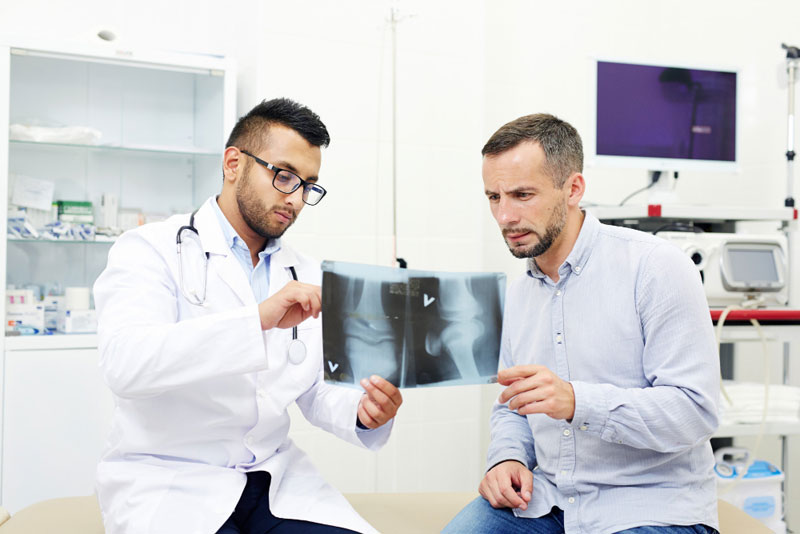
Pain in a bone that does not go away, swelling around a joint or an unusual finding on an X-ray can leave patients and families worried. Sometimes, doctors suspect a bone infection. In other cases, the same symptoms may raise concerns about a bone tumor. The difficulty is that bone infections and bone tumors can look surprisingly similar, particularly in the early stages. Fever may point towards an infection, but its absence does not rule out bone tumor. Similarly, an X-ray may show bone damage without clearly explaining what caused it.
Getting the diagnosis right matters because the treatment for an infection is very different from the treatment for a bone tumor.
Why Do The Two (Bone Infection and A Tumor) Look Alike?
Both conditions can cause pain, swelling, tenderness and difficulty moving the affected limb and even some patients also experience fever, tiredness or pain that becomes worse at night. Bone infections can affect the structure of the bone and inflame nearby tissues. Tumors may also weaken the affected bone and extend into the surrounding soft tissues.
These changes may look similar on an X-ray or MRI. This does not mean that every bone infection could be cancer, your doctor need more than symptoms and scans to determine the cause.
What Is Osteomyelitis?
Osteomyelitis is an infection of the bone. It can occur when bacteria enter the bone through the bloodstream, spread from an adjacent infected area or enter through a wound or surgery. Pain, swelling, fever and difficulty using the affected limb are some of the effects of bacterial infections, however in some cases, these symptoms may develop slowly. Doctors also think of tuberculosis when searching for a possible bone infection. This occurs when the bacteria Mycobacterium tuberculosis infects a bone or joint. Symptoms often develop slowly, with ongoing pain and swelling and a high fever may not be present.
It can at times mimic bone tumors on imaging. A patient does not necessarily have to show signs of lung TB for tuberculosis to affect the bones.
Which Bone Tumors Can Resemble an Infection?
Certain bone tumors can cause symptoms and imaging changes that resemble osteomyelitis.
This cancer often affects children and young adults and its symptoms like pain, swelling and sometimes fever can make it resemble a bone infection.
This is a malignant bone tumor that commonly develops in growing bones and it causes persistent pain, swelling and changes in the bone visible on X-rays.
Primary bone lymphoma
This type of lymphoma affects the bone and may cause pain, swelling or a bone lesion that needs further investigation.
Langerhans cell histiocytosis (LCH)
LCH is a disorder involving certain immune cells that can produce bone lesions resembling infection or a tumor.
Symptoms alone may not be enough to tell these conditions apart, so doctors often need further tests to identify the cause.
How Blood Tests, X-rays and MRI Help?
Doctors combine information from the patient’s symptoms, examination, blood tests and imaging to narrow down the possible causes.
Blood tests
A complete blood count, ESR and CRP may help identify inflammation or infection. Some infections cause an increase in white blood cells, ESR or CRP, but these results are not always abnormal. Tumors can also cause raised inflammatory markers. Therefore, blood tests can support a diagnosis, but they cannot confirm or rule out a bone tumor on their own.
X-rays
An X-ray can reveal whether the bone has been damaged, developed unusual growth or changed as a response to the underlying problem. Certain patterns may make infection or a tumor more likely, but there can be considerable overlap.
MRI
An MRI provides a closer look at the bone marrow and surrounding soft tissues. It helps doctors understand the size and extent of a lesion and identify areas that may need sampling.
However, sometimes an MRI may not even provide a definite answer whether it is an infection or a tumor, then biopsy may be necessary.
Why Any Sample Taken Should Go for Both Culture and Histopathology?
When scans cannot confirm the diagnosis, doctors may recommend a biopsy. This involves taking a small sample of tissue from the affected area for laboratory examination.
Two types of testing are particularly important:
Culture and microbiology testing:
These tests look for organisms that may be causing an infection and special tests may be needed when bone TB is suspected.
Histopathology:
A pathologist examines the tissue under a microscope to identify changes associated with infection, inflammation or a tumor.
Both tests provide different information. If only infection testing is requested, a tumor could be missed. If only histopathology is performed, the organism causing an infection may missed to get identified. The treating team should plan the biopsy carefully and tell the laboratory which tests are required as this is very important when bone cancer is a possibility.
Why It is Risky to drain “pus” from an undiagnosed bone tumor?
A bone lesion that resembles an abscess may tempt someone to drain it straight away. However, a suspected bone infection should not be drained without proper assessment when a tumor has not been ruled out. Some tumors can develop areas of tissue breakdown that resemble an abscess. An unplanned procedure may contaminate tissue planes, interfere with later surgery or complicate the removal of a tumor.
When cancer is a possibility, biopsy and any necessary surgical procedure should be planned by a team experienced in bone tumors. This helps ensure that tissue is collected correctly and that any future surgery remains properly planned.
What If Antibiotics Are Not Working?
If pain, swelling or other symptoms continue despite antibiotics, the diagnosis and treatment plan need to be reviewed. The medicine may not be effective against the organism, the infection may require further investigation or the original diagnosis may be incorrect. Doctors may review previous scans, repeat selected blood tests, arrange an MRI or recommend a biopsy with appropriate microbiology and histopathology testing. If bone TB is suspected, specific testing may be needed. Persistent or worsening symptoms deserve prompt medical review rather than repeated courses of antibiotics without investigating the cause.
Bone Infection vs Bone Tumor: What Is the Difference?
These are general patterns, not rules that can confirm a diagnosis. The findings may overlap, so doctors interpret them together.
Why Book an Appointment with Dr. Love Kapoor?
When a bone lesion could be an infection or a tumor, getting the diagnosis right is the first step towards appropriate treatment. Dr. Love Kapoor an Orthopaedic Oncologist has a full focus on bone tumors, soft-tissue sarcomas and complex musculoskeletal conditions.
A specialist assessment can help bring together the patient’s symptoms, blood reports, scans and biopsy findings to determine what further investigation may be needed. If you have a suspicious bone lesion, persistent bone pain or reports that leave the diagnosis uncertain, consider seeking an expert opinion.
Frequently Asked Questions
Can bone TB look like cancer?
Yes. Bone tuberculosis can produce lesions that resemble bone tumors on X-rays and MRI. A carefully planned biopsy with histopathology and appropriate TB testing may be needed to establish the diagnosis.
Can a biopsy show both bone infection and a tumor?
Yes, a sample may contain evidence of both bone infection and tumor. However, a small sample may not represent the entire lesion. If the results do not match the imaging or clinical findings, the treating team may recommend further testing or another biopsy.
How long should antibiotics be tried before further testing?
There is no fixed trial period that applies to every patient. If a bone tumor is a possibility, doctors should not delay the necessary investigation simply to see whether antibiotics work. Persistent symptoms, worsening pain or unclear imaging findings should be immediately reassessed.
The right diagnosis helps guide the right treatment.
Category:
Bone Infection
Tags:
Bone Infection
Ewing sarcoma
Orthopaedic Oncologist
osteosarcoma
 093558 33005