13 October, 2026
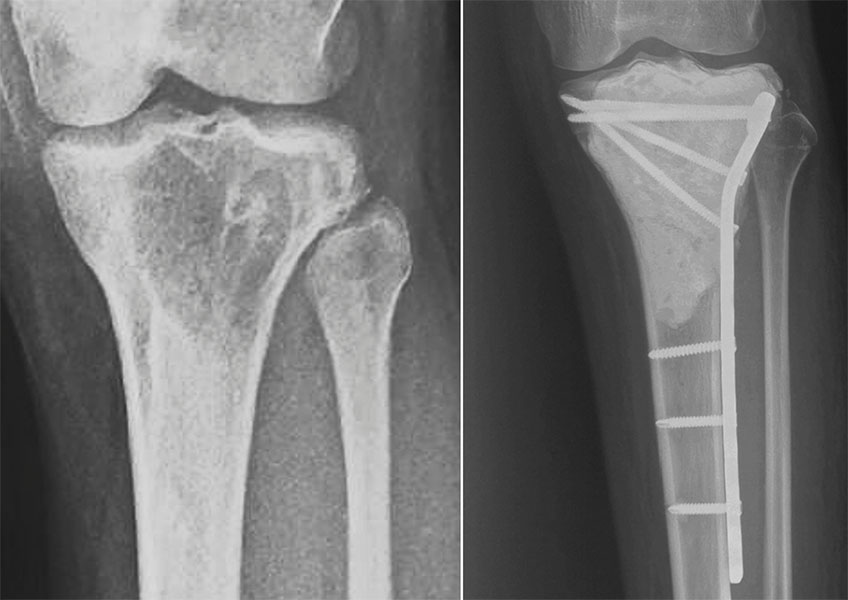
Being diagnosed with a Giant Cell Tumor of Bone (GCTB) often leads to one immediate question:
How can it be treated, and will I need my joint replaced?
The answer depends on several factors. Giant Cell Tumor of Bone is usually a locally aggressive tumor that commonly develops near the end of a long bone and close to a joint. Although it is generally not a conventional cancer, it can destroy bone, recur after treatment and, in a small proportion of patients, spread to the lungs.
Treatment therefore has two important goals: control the tumor and preserve as much normal function as possible. The appropriate treatment depends on the location and extent of the tumor, the amount of bone destruction, joint involvement, soft-tissue extension, pathological fracture and whether the tumor has returned after previous treatment.
Does Every Giant Cell Tumor Need Surgery?
For most patients with a resectable GCTB, surgery remains the main treatment.
However, surgery does not always mean removing the entire end of the bone or replacing the joint.
For tumors in the limbs, particularly those around the knee or wrist, the surgeon may be able to remove the tumor from within the bone while preserving the surrounding normal anatomy. In other situations, the tumor may be too extensive for this approach, and removal of the affected segment of bone may be necessary.
The choice is therefore not simply between surgery and no surgery. The important question is:
What type of surgery can provide adequate tumor control while preserving the best possible function?
Curettage: Preserving the Natural Joint
Extended curettage is commonly used for GCTB when the tumor can be safely removed while preserving the surrounding bone and joint.
During curettage, the surgeon creates an opening in the bone and removes the tumor from inside the cavity. The cavity is then carefully inspected and cleaned to reduce the possibility of leaving behind tumor tissue.
A high-speed burr may be used to extend the removal of tumor from the surrounding bone. Depending on the individual case, other local techniques may also be used as adjuncts.
The cavity then needs to be reconstructed. Options include bone graft, bone cement, or a combination of reconstructive techniques, depending on the size and location of the defect.
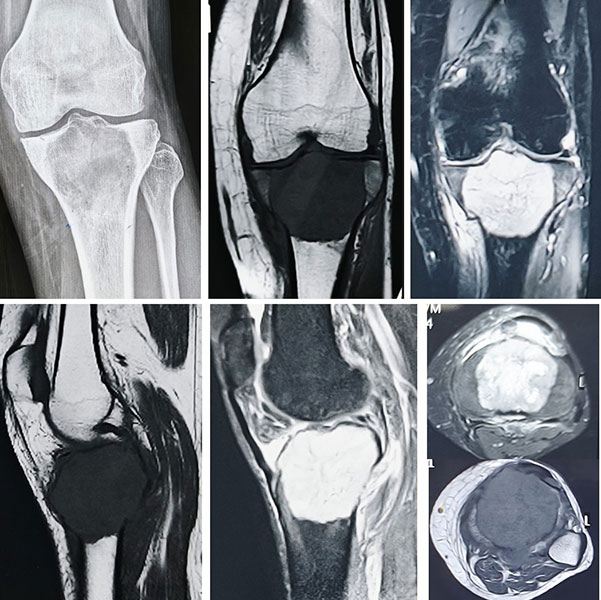
Figure 1A. X-rays and MRI showing a giant cell tumor in the upper end of the tibia around the knee.
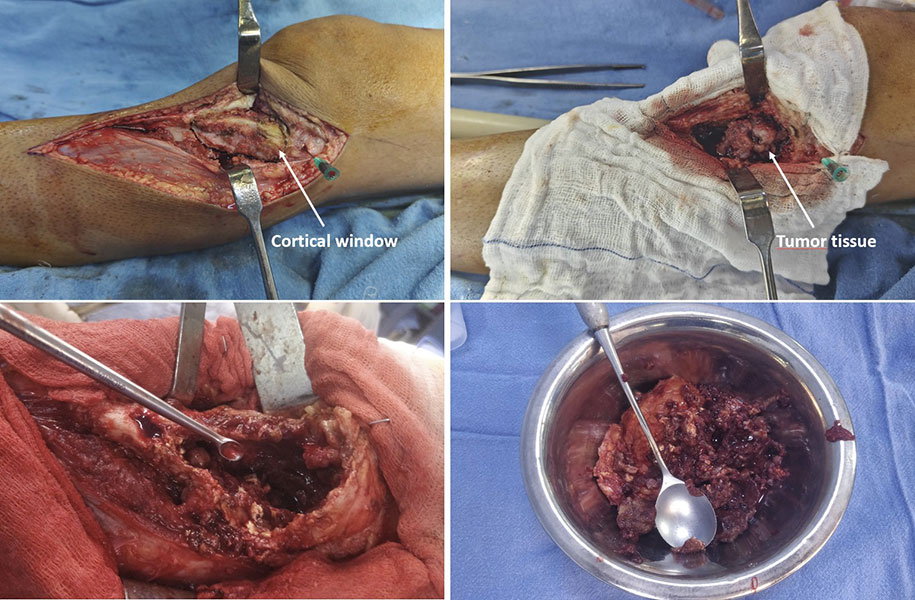
Figure 1B. Surgical exposure of a giant cell tumor with creation of a cortical window to access and remove the tumor.
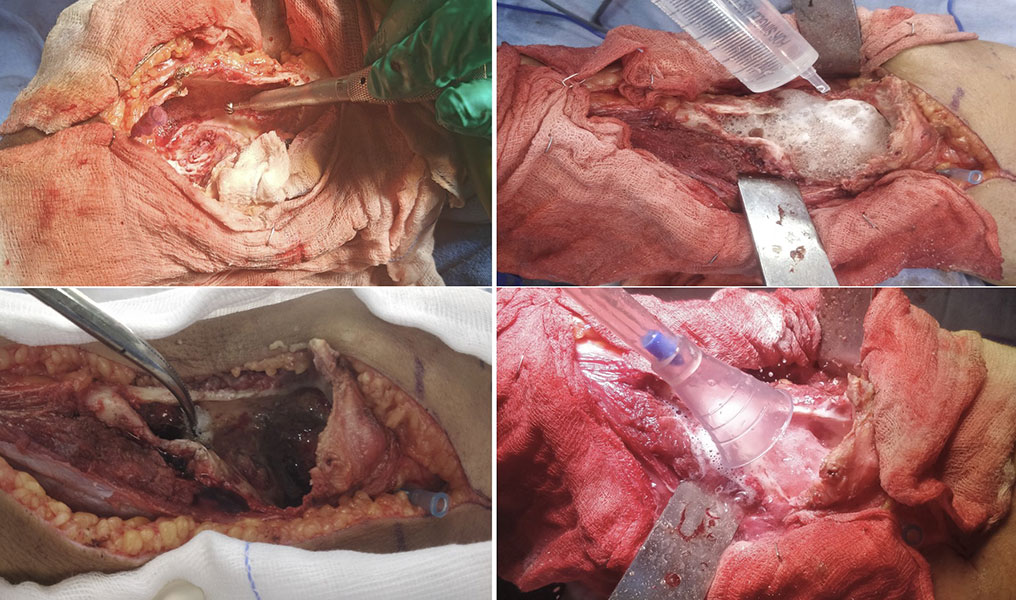
Figure 1C. Extended curettage using a high-speed burr, appropriate local adjuvants and thorough lavage to reduce the risk of residual tumor cells.
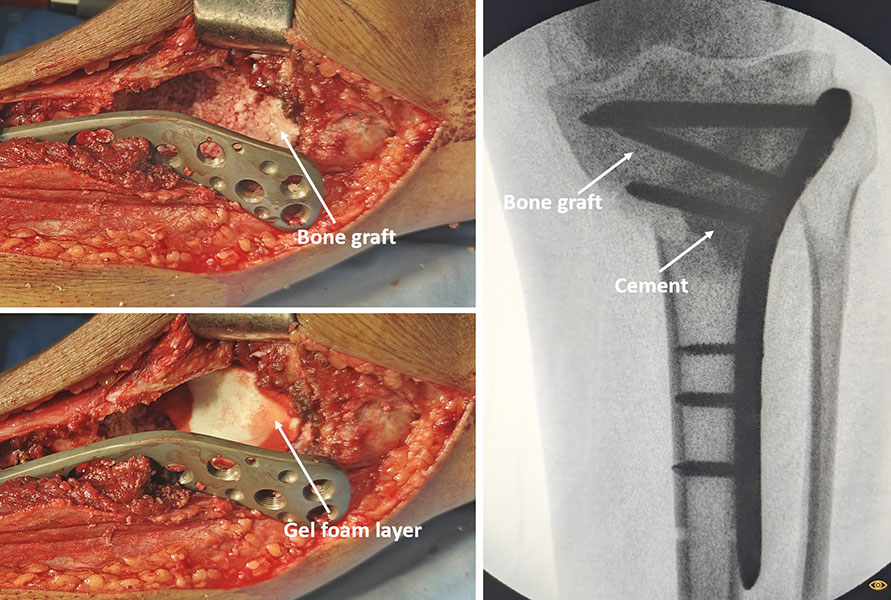
Figure 1D. Reconstruction of the bone defect after curettage using bone cement and bone graft, with appropriate fixation when required.
One of the major advantages of curettage is that it can potentially preserve the patient’s natural joint. This can be particularly important for young adults with tumors around the knee, wrist or other major joints.
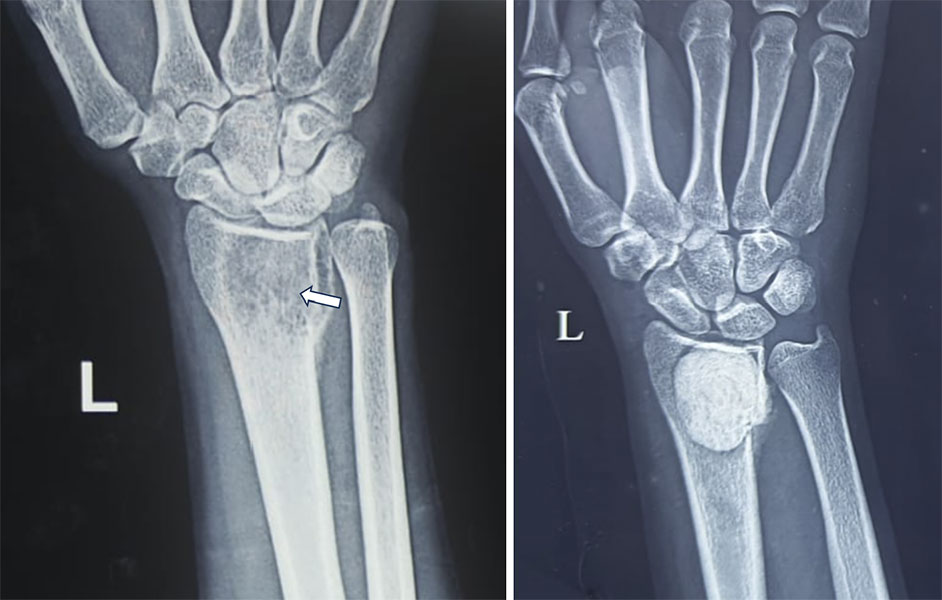
Figure 2. Extended curettage for a giant cell tumor of bone, followed by reconstruction of the resulting bone defect.
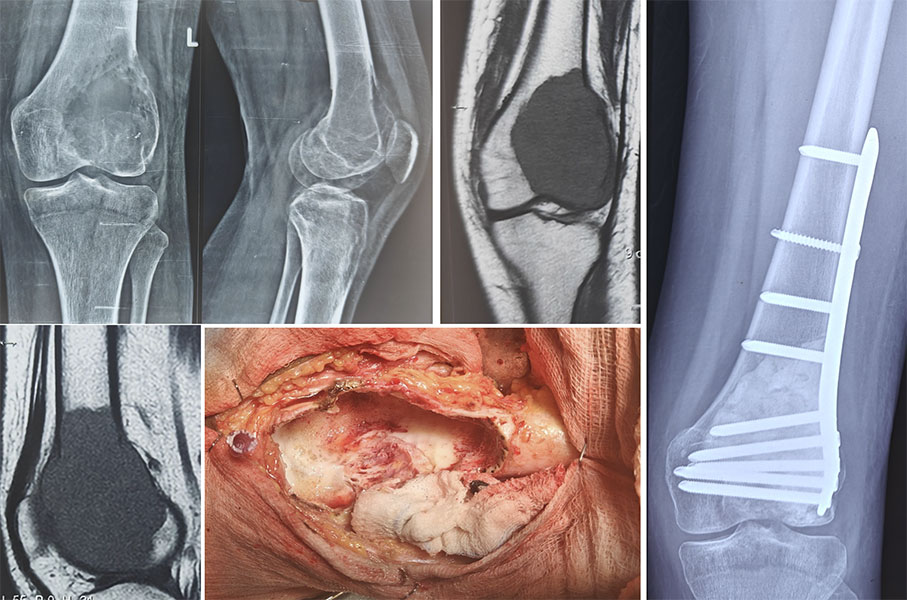
Figure 3. Giant cell tumor around the knee treated with extended curettage and bone cement reconstruction, preserving the native joint.
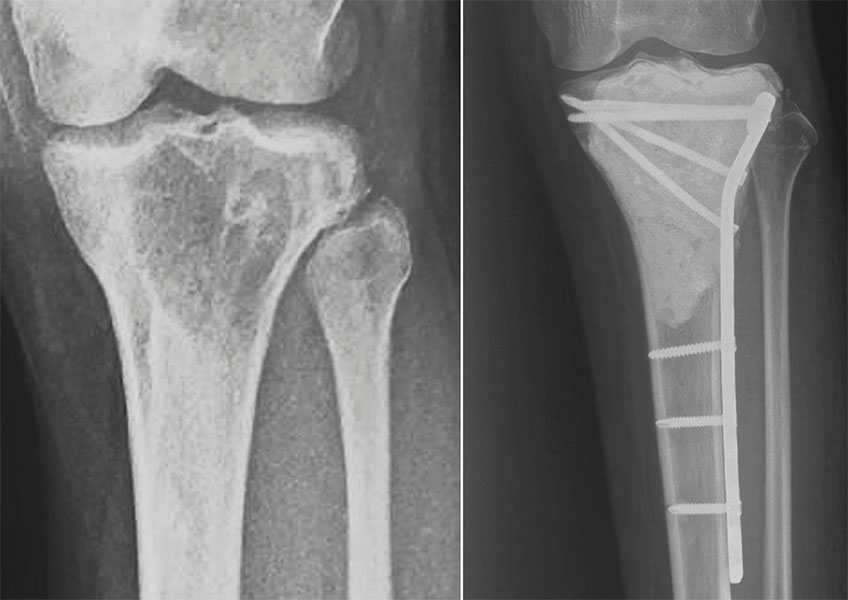
Figure 4. X-ray showing reconstruction after extended curettage and cementation of a giant cell tumor around the knee.
However, curettage has an important limitation: because the tumor is removed from within the bone rather than by removing the entire affected bone segment, there is a possibility of local recurrence. Meticulous tumor removal and appropriate reconstruction are therefore critical.
When Is Wide Resection Required for GCTB?
In some patients, curettage may not provide adequate tumor control.
If the tumor has caused extensive destruction of the bone, has a large soft-tissue component, has recurred repeatedly, or is located in a situation where complete intralesional removal is not considered appropriate, wide or en-bloc resection may be recommended.
This involves removing the tumor together with the affected segment of bone.
Wide resection generally provides stronger local tumor control than intralesional surgery, but it comes with a trade-off: removing a segment of bone near a joint can significantly affect function and usually requires reconstruction.
Therefore, wide resection is not automatically better. The goal is to select it when the extent or behavior of the tumor makes a more limited operation inappropriate.
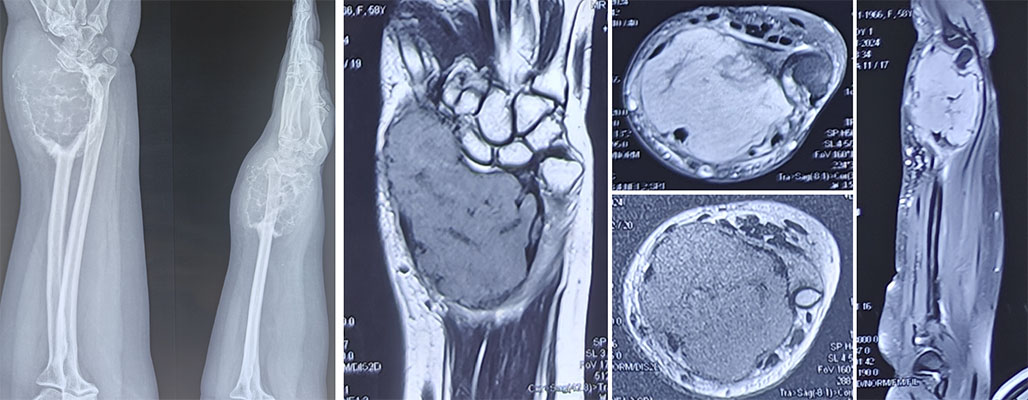
Figure 5A. A Grade 3 giant cell tumor of bone with extensive local bone destruction and soft-tissue involvement.
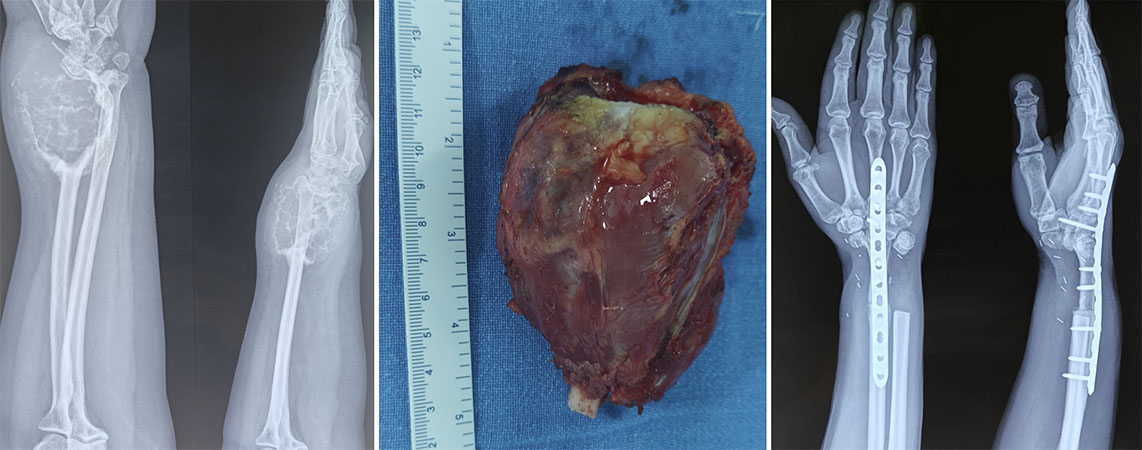
Figure 5B. Wide surgical resection of an extensive giant cell tumor of bone, removing the tumor along with the involved bone.
What Happens After Wide Resection?
If a segment of bone has to be removed, the resulting defect may need to be reconstructed.
Depending on the location and amount of bone removed, reconstruction may involve:
- A tumor prosthesis
- Structural bone graft or allograft
- Biological reconstruction
- A combination of bone graft and fixation
- Joint reconstruction or replacement when the joint has to be removed
For example, a large GCTB involving the end of the femur may require removal of the tumor and reconstruction with a distal femoral tumor prosthesis if joint preservation is no longer possible.
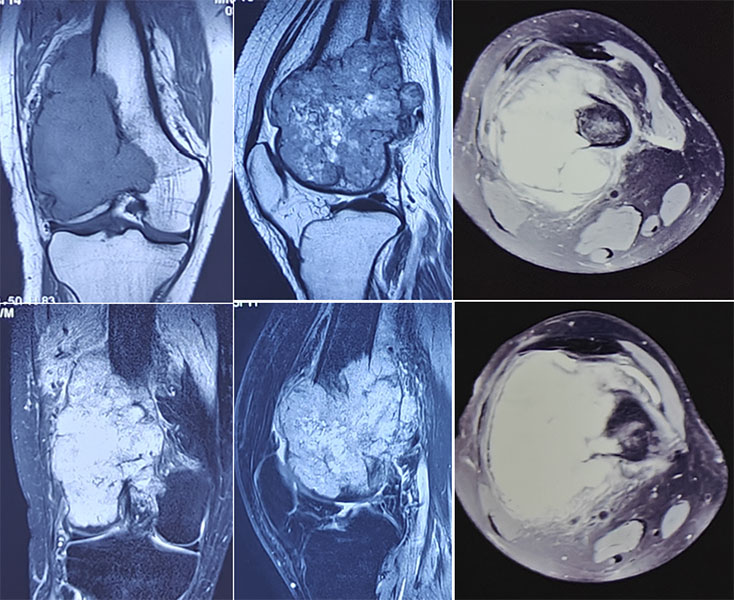
Figure 6A. Extensive bone destruction caused by a Grade 3 giant cell tumor around the knee, requiring more extensive surgical treatment.
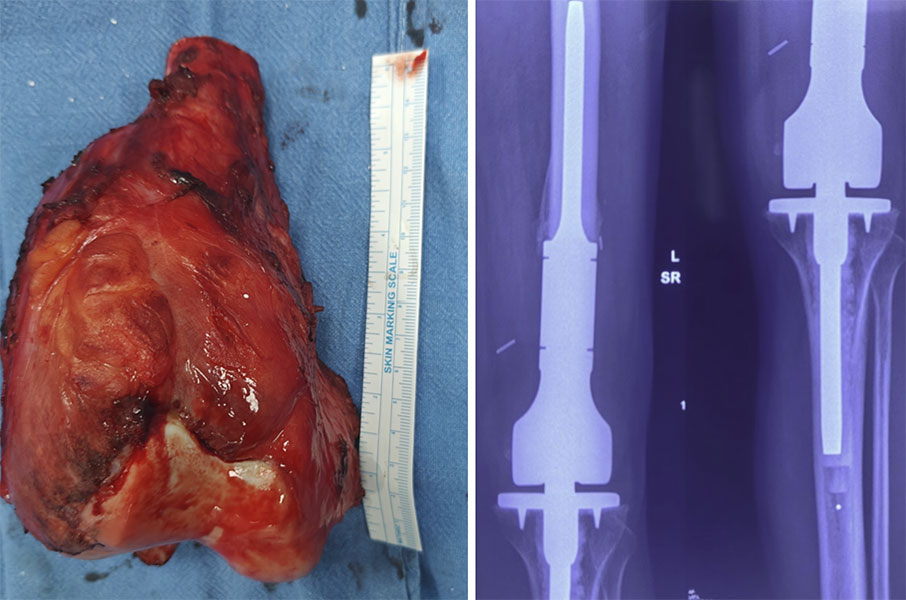
Figure 6B. Reconstruction after wide resection of a Grade 3 giant cell tumor using a knee endoprosthesis, with rehabilitation aimed at restoring knee movement and walking ability.
The reconstruction is planned together with the tumor surgery because the objective is not only to remove the tumor but also to restore useful limb function.
What About a Pathological Fracture?
A pathological fracture occurs when the bone breaks through an area weakened by the tumor.
In the past, a pathological fracture associated with GCTB was often considered a reason to proceed directly to wide resection. Current approaches are more individualized.
In selected patients, joint-preserving curettage can still be considered, depending on the fracture pattern, contamination of surrounding tissues, tumor extent and the possibility of achieving adequate tumor removal.
This is an important reason why the treatment plan should be based on detailed imaging and specialist assessment rather than the presence of a fracture alone.
What Is the Role of Denosumab?
Denosumab is a medication that targets RANKL, a pathway involved in the activity of the osteoclast-like giant cells within GCTB.
It can produce substantial changes in the tumor, including reduction in bone destruction and increased mineralization. This has made it an important treatment option in selected patients.
Denosumab may be particularly useful when:
- The tumor cannot be safely removed with surgery
- Surgery would result in major functional loss
- The tumor is in a difficult location, such as the pelvis or spine
- There is metastatic or recurrent disease in selected situations
- It is being considered before surgery in carefully selected advanced tumors
However, denosumab is not simply a replacement for surgery.
An important point for patients to understand is that giving denosumab before curettage is not routinely recommended when a tumor can otherwise be treated with joint-preserving surgery. Studies and reviews have raised concerns that preoperative denosumab may make subsequent curettage more difficult and may increase the risk of local recurrence.
Therefore, the decision to use denosumab should be individualized according to the location, extent and surgical options for the tumor.
How Is the Right Treatment Decided?
There is no single treatment that is appropriate for every Giant Cell Tumor of Bone.
Your treatment plan may depend on:
- Where the tumor is located
- How large the tumor is
- How much bone has been destroyed
- Whether the joint surface is involved
- Whether there is soft-tissue extension
- Whether there is a pathological fracture
- Whether the tumor is a first occurrence or a recurrence
- Whether the tumor can be safely removed while preserving function
The decision is therefore a balance between oncological safety and functional preservation.
For a tumor around the knee, for example, one patient may be suitable for curettage with reconstruction and preservation of the natural knee, while another patient with extensive destruction may require resection and a tumor prosthesis.
The two patients may have the same diagnosis, but their treatment can be completely different.
Why Consult Dr. Love Kapoor for Giant Cell Tumor?
Being diagnosed with GCTB can leave you with many practical questions:
- Can my natural joint be saved?
- Do I really need a joint replacement?
- Is curettage enough in my case?
- Do I need denosumab?
- What will happen if the tumor comes back?
These decisions depend on the individual tumor rather than the diagnosis alone.
As an AIIMS-trained Orthopaedic Oncologist specializing in bone tumors and soft tissue sarcomas, Dr. Love Kapoor focuses on the diagnosis and surgical management of musculoskeletal tumors.
When you consult him for GCTB, the aim is to understand the extent of your tumor and discuss the treatment options that are appropriate for your particular situation.
Whenever it is oncologically safe and technically feasible, treatment can be planned with the goal of preserving the natural joint and maintaining useful limb function. When a more extensive operation is necessary, reconstruction can be planned as part of the tumor surgery to restore the best possible function.
If you have recently been diagnosed with Giant Cell Tumor of Bone, have been advised surgery, or are looking for a second opinion, a specialist consultation can help you understand which treatment is appropriate for your tumor, whether joint preservation is possible, and what reconstruction may be required.
This article is intended for general educational purposes and does not replace an individual medical consultation, examination, imaging review or pathology assessment.
Category:
Giant Cell Tumor of Bone
Tags:
Curettage
Denosumab
GCTB Treatment
Giant Cell Tumor
Wide Resection
 +91 93558 33005